
Why Polanco is different from the rest of CDMX?
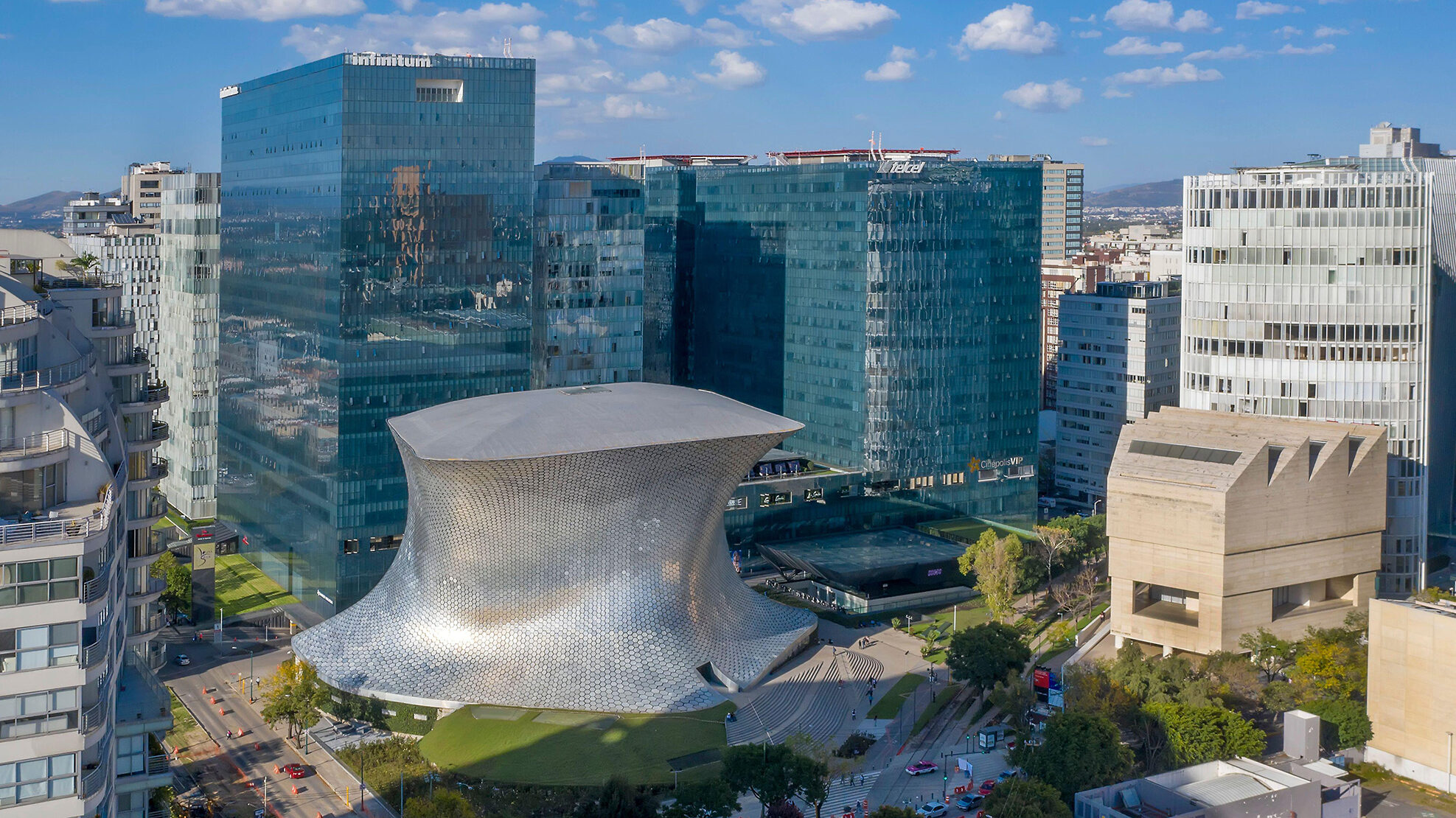
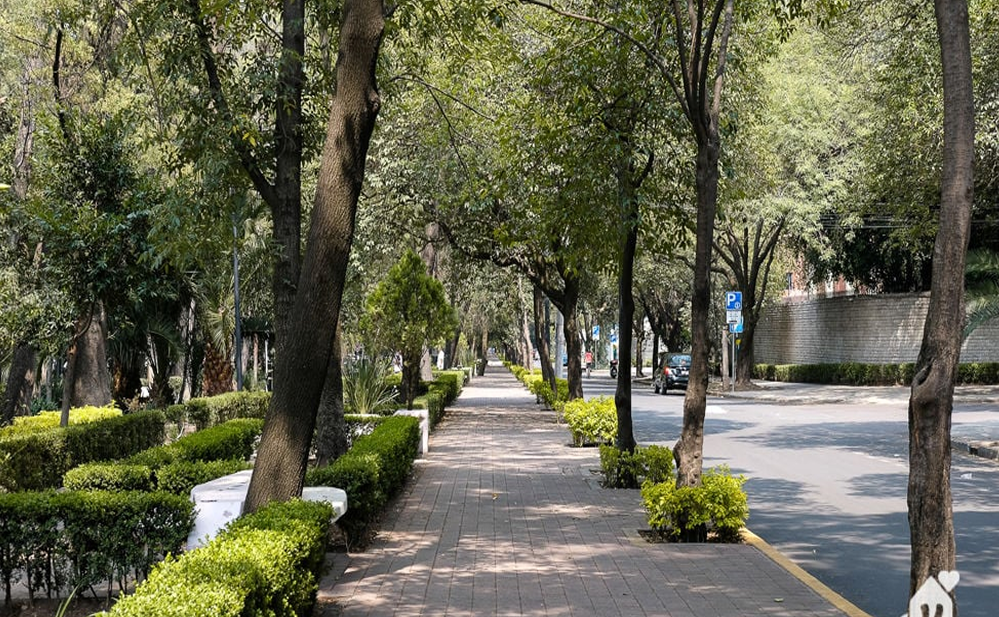
The neighborhood is divided into two areas with distinct personalities: traditional Polanco, with its tree-lined streets named after writers like Julio Verne, Oscar Wilde, and Lafontaine; and Nuevo Polanco, a modern cultural hub driven by multimillion-dollar investments in museums and cutting-edge architecture. This duality makes it a destination with layers, where every visit reveals something new.
Polanco consistently ranks among the top three safest neighborhoods in the entire city, featuring a constant presence of private security, international embassies, and active pedestrian traffic late into the night. For solo travelers or those arriving in CDMX for the first time, it is the ideal starting point. If you want to learn more about the neighborhood before arriving, Ömora’s guide to a day in Polanco is an essential resource.
Must-see museums
Soumaya Museums
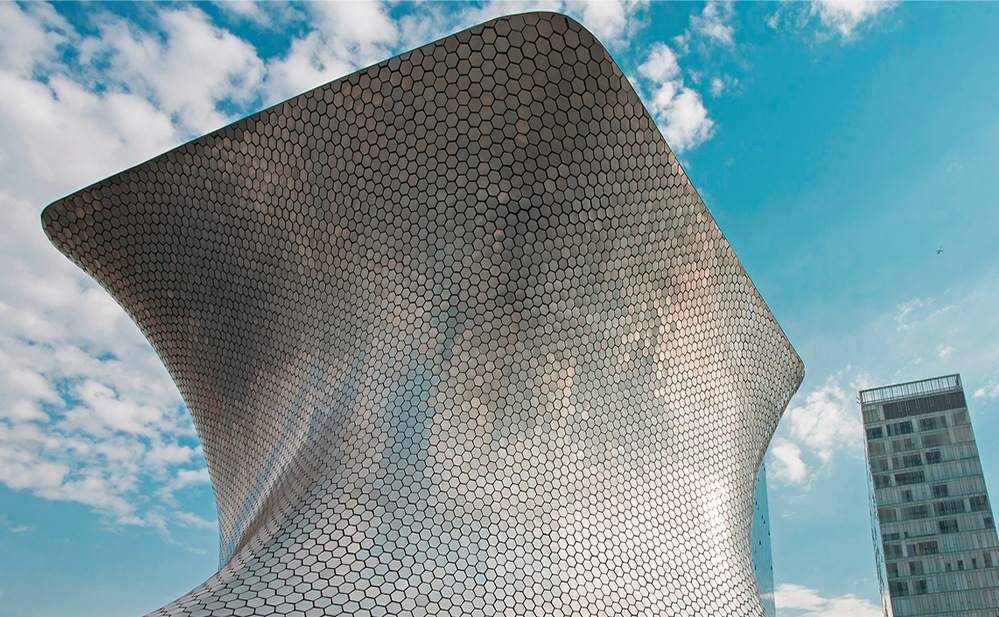
The most photographed building in Nuevo Polanco is the Soumaya Museum, with its metallic facade covered by more than 16,000 aluminum hexagons. Inside, you will find over 66,000 pieces spanning five centuries of European and Mexican art, including works by Rodin, Dalí, Picasso, Van Gogh, and Renoir. Admission is completely free, making it one of the most democratic museums in the world considering the quality of its collection.
We recommend visiting during the week to avoid the Sunday crowds. A full visit takes between an hour and a half to two hours, and the building itself, designed by Fernando Romero, is a visual experience all on its own before you even step through the door.
Jumex Museum
Just a few steps from the Soumaya, the Jumex Museum is the ultimate showcase for contemporary art in Mexico. The concrete cube designed by architect David Chipperfield hosts rotating exhibitions by artists such as Damien Hirst and Andy Warhol, alongside pieces from the permanent collection of the Fundación Jumex Arte Contemporáneo. Admission is free, and its ground floor is home to Eno, a café by the team behind Pujol, where grabbing a coffee after touring the galleries is a must.
For travelers looking to dive deeper into the CDMX art scene, Ömora’s blog features a detailed article on the best art galleries in Mexico City that perfectly complements a visit to the Jumex.
Sala de Arte Público Siqueiros
National Museum of Anthropology
Contemporary art and living culture on the streets
Polanco does not thrive on its large museums alone. The streets of the traditional neighborhood hide independent art galleries, design spaces, and concept stores that blend aesthetics and commerce in a way that few cities achieve. Julio Verne Street and Presidente Masaryk Avenue concentrate several of these concepts, where it is possible to find pieces by emerging Mexican designers alongside established international brands.
The Telcel Theater, in the heart of the neighborhood, is the stage where major Broadway musicals are presented in their Latin American versions. Checking the billboard before traveling allows you to secure tickets for a cultural evening that pairs well with any weekend plan in Polanco. You can complement this agenda with the guide to the top 10 must-visit places in CDMX to better organize your itinerary.
Parks and green spaces
Lincoln Park
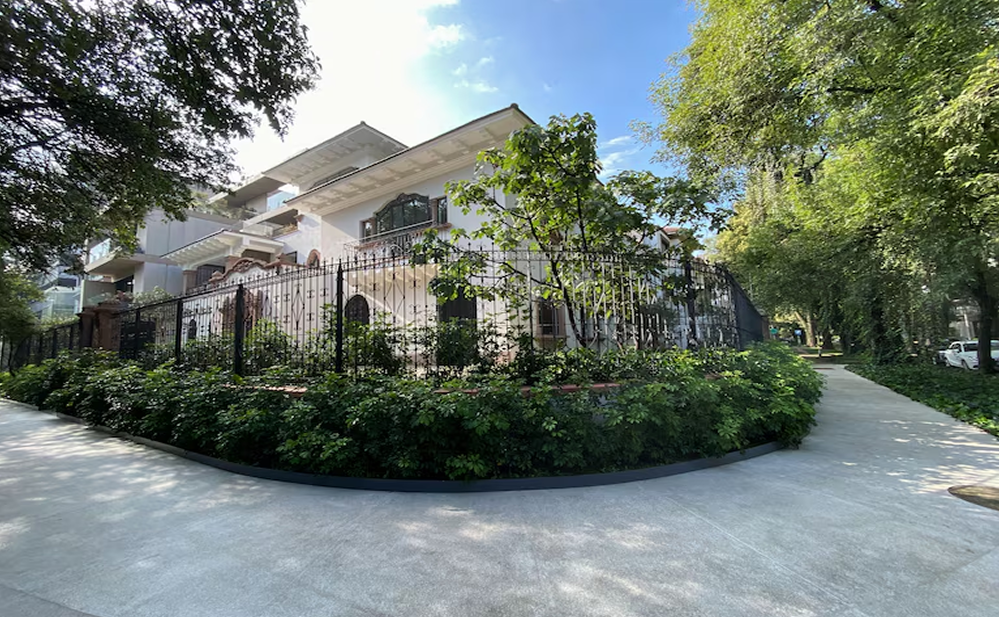
Lincoln Park is the green heart of traditional Polanco and the best place to start or end your day. Its well-manicured gardens, an aviary home to peacocks and budgies, and the reflecting pool where remote-controlled boats race on weekends give this park a personality all its own. Statues of Abraham Lincoln and Martin Luther King Jr., donated during the 1960s, add an interesting historical context to the walk.
The park is completely pedestrian-friendly and is surrounded by some of the neighborhood’s most impressive residential mansions. Grabbing a coffee at Cucurucho or Niddo before heading in is the quintessential local ritual.
Tamayo Park and Gandhi Park
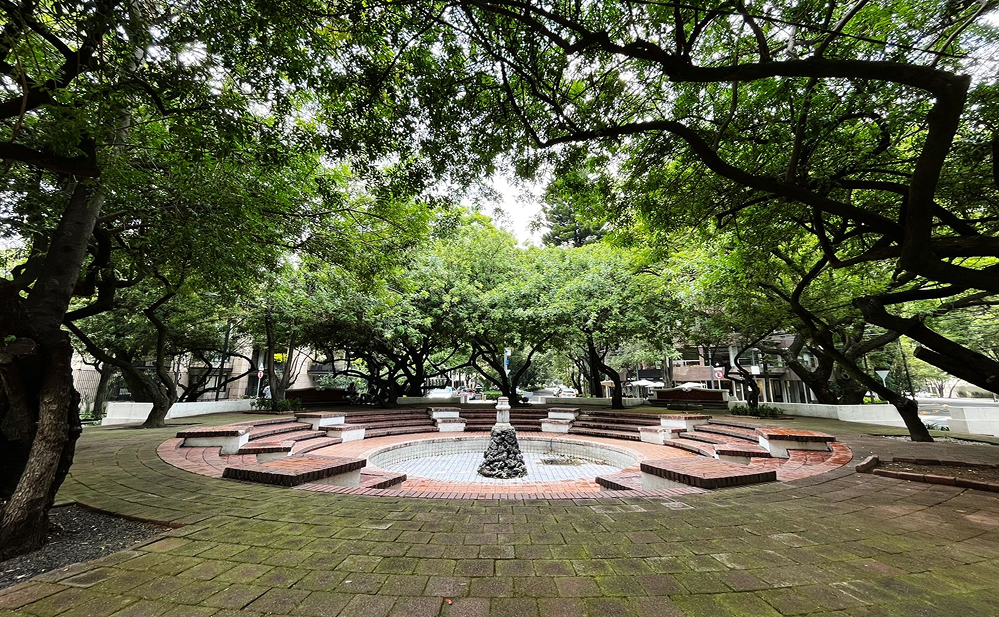
Acting as natural borders between Polanco and the vast Chapultepec Forest, Tamayo Park and Gandhi Park offer a completely different atmosphere. Tamayo Park is characterized by its large expanses of grass, open-air sculptures, and its proximity to the Rufino Tamayo Museum of Contemporary Art. It is the perfect spot for an afternoon picnic or a quiet reading session under the shade of the trees.
For its part, Gandhi Park is the favorite sanctuary for local runners and fitness enthusiasts. With its well-maintained dirt trails and natural shade, it provides an outdoor workout experience unmatched in the zone. Both parks are ideal for a leisurely stroll that connects seamlessly with the cultural corridor of Paseo de la Reforma.
Chapultepec Forest
Shopping and lifestyle in Polanco
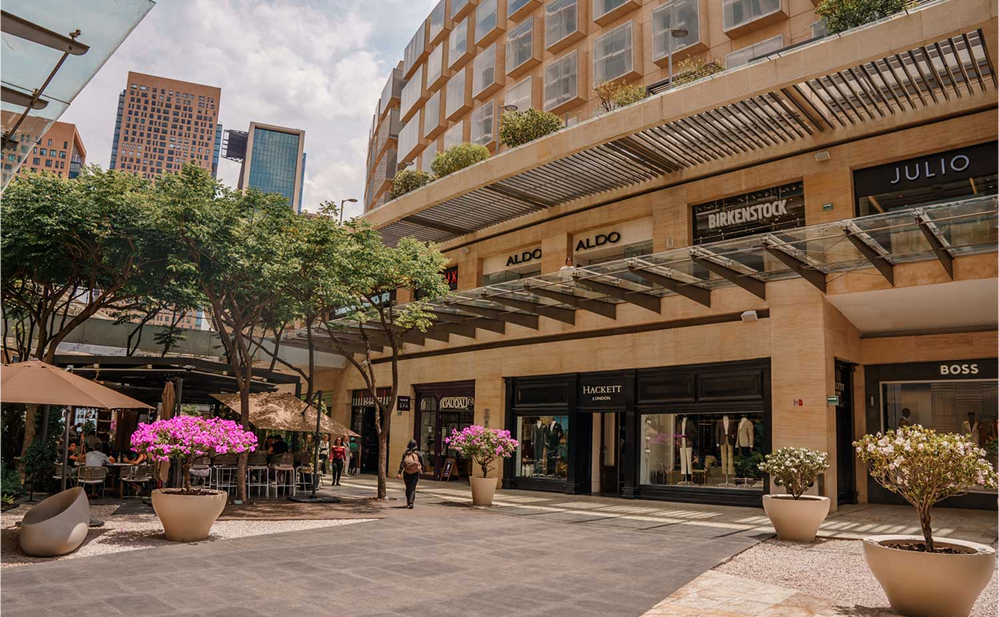
Presidente Masaryk Avenue
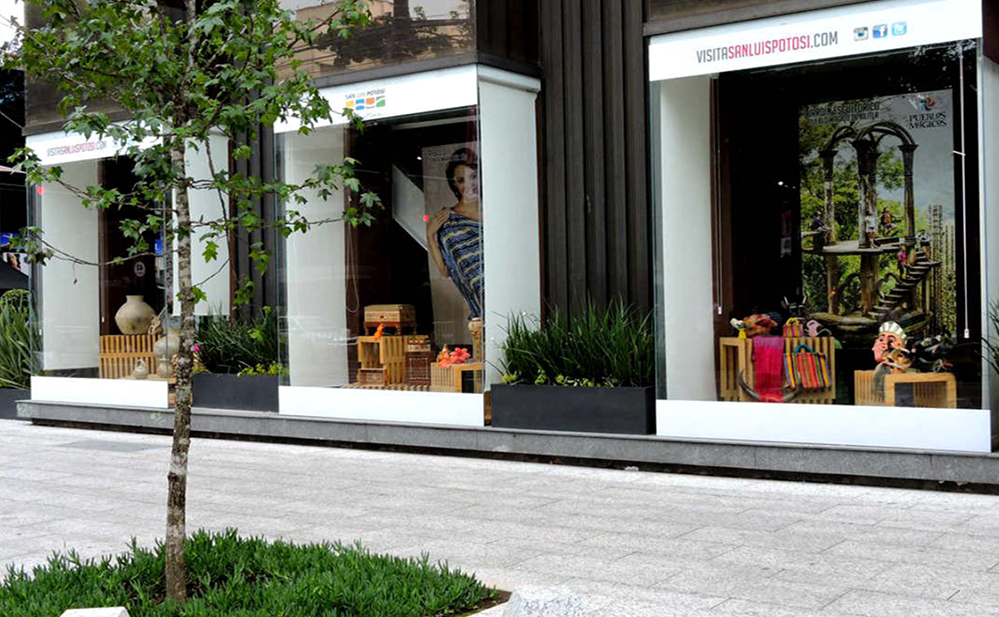
The most expensive avenue in Mexico is widely known as the Fifth Avenue of CDMX. Louis Vuitton, Chanel, Gucci, Hermès, Cartier, and dozens of international boutiques line its tree-lined sidewalks with window displays that are well worth a visit, even if you have no intention of buying. The architecture of each store is part of the show.
Beyond global brands, local boutiques like Ikal—a concept store featuring fashion and home goods by Mexican designers—and Xinú, a niche perfumery, offer the most original and unique shopping experiences in the neighborhood. The “México mi amor” sign on the facade of the Tane jewelry store, right on Masaryk, is one of Polanco’s most sought-after photo spots and a must-stop before continuing your tour.
Antara Fashion Hall
El Palacio de Hierro Polanco
World-class gastronomy
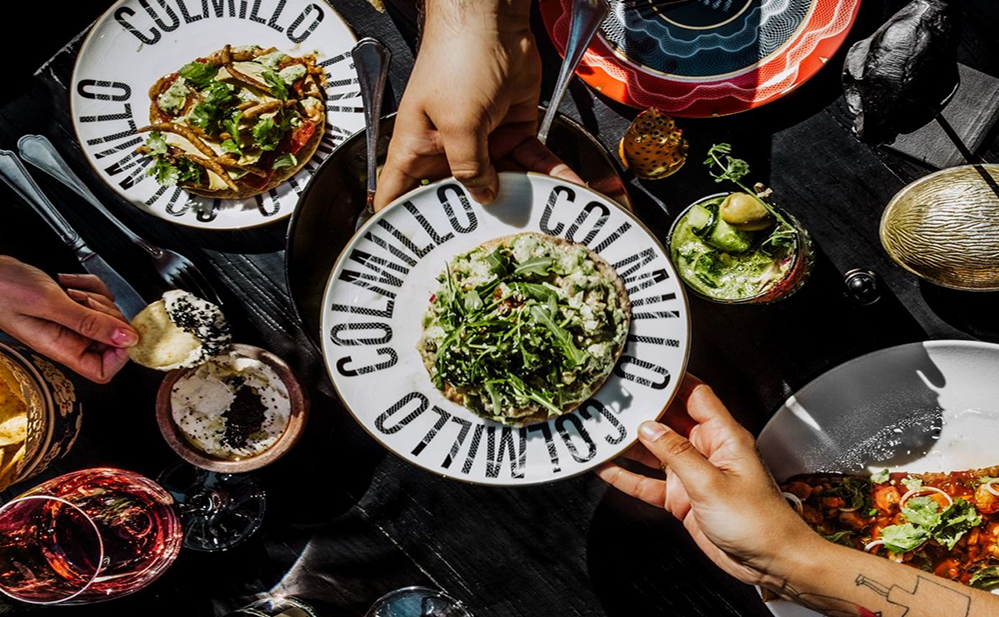
Polanco concentrates Mexico’s only two restaurants with two Michelin stars: Pujol, by chef Enrique Olvera, and Quintonil, by chef Jorge Vallejo. Both are located on adjacent blocks and represent the pinnacle of contemporary Mexican fine dining. Booking weeks in advance is absolutely essential for either one.
For a more accessible lunch without compromising on quality, Entremar by chef Gabriela Cámara is a must-visit, offering tuna tostadas and grilled fish in a white-tablecloth setting. Siembra Tortillería, which also holds a Michelin recognition, is the perfect option for understanding why native corn lies at the very center of Mexican culinary identity.
Ömora’s culinary guide to CDMX, which ranges from street tacos to haute cuisine, is the ideal complement for planning every meal during your stay in the neighborhood. Polanco also features high-end international cuisine and a vibrant cocktail scene, with artisanal mezcal bars operating within remarkably designed spaces.
Architecture and cultural gems
San Agustín Parish
1940s residential architecture
Inbursa Aquarium
What other guides don't tell you about Polanco
Most travel guides describe Polanco as a Mexican version of Beverly Hills and leave it at that. What they usually fail to mention is the cultural ecosystem the neighborhood has built over the last decade: independent galleries featuring emerging artists, weekend design markets like Mercado Escondido offering unique pieces by local artisans, and a network of specialty coffee shops that have turned the district into one of the best destinations for specialty coffee in CDMX.
Nor do they highlight the neighborhood’s sustainable mobility enough. Ecobici stations allow you to bike between Polanco and Chapultepec in less than ten minutes, connecting two of the city’s most important destinations without the need for a motorized vehicle. Ömora’s article on sustainable tourism in Mexico City delves deeper into these options for environmentally conscious travelers.
Getting around Polanco
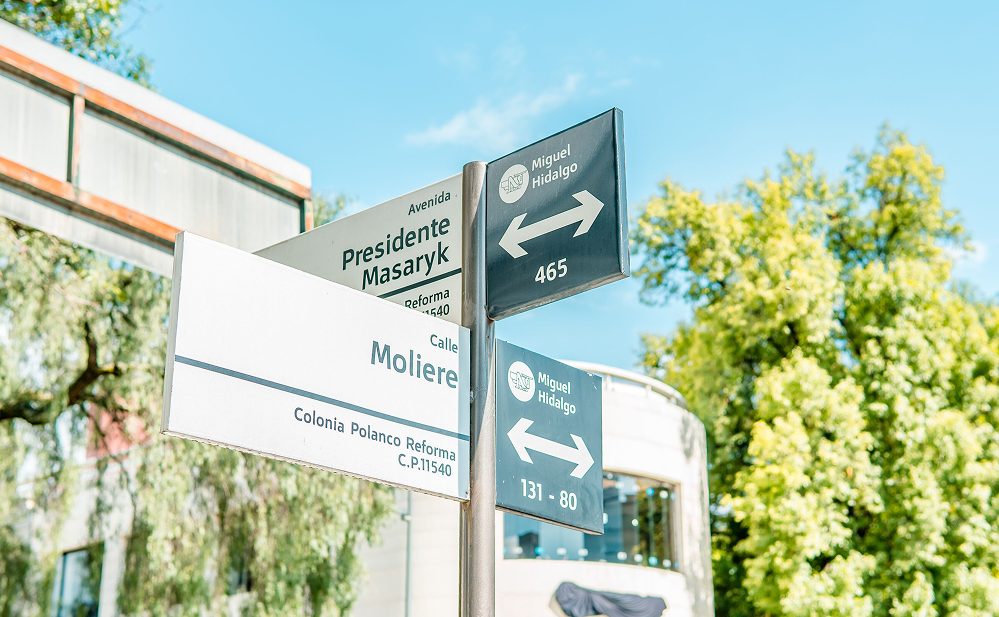
The neighborhood is highly walkable. The main circuit, which runs from the museums of Nuevo Polanco to Lincoln Park and Masaryk Avenue, covers approximately three kilometers and can be comfortably explored in a single morning. For longer journeys, the Polanco metro station on Line 7 connects the neighborhood with the rest of the city, while rideshare services like Uber or DiDi are the most convenient option, with fares ranging between 150 and 350 pesos from the historic center.
To get there from the airport, the fastest option is a prepaid taxi available inside the terminal, costing approximately 25 to 30 USD. The metro also offers a connection by taking Line 5 from the Terminal Aérea station and transferring at La Raza to Line 7, heading towards Polanco station.
Where to stay to experience Polanco from within
Staying in Polanco is not limited to daytime visits. Experiencing the neighborhood from within—with time to explore its quiet streets at dawn or its restaurants late at night—requires a base right in the area. An apartment in the neighborhood is the choice that best matches this rhythm, whether for a week-long stay or for those working remotely from CDMX for weeks or months.
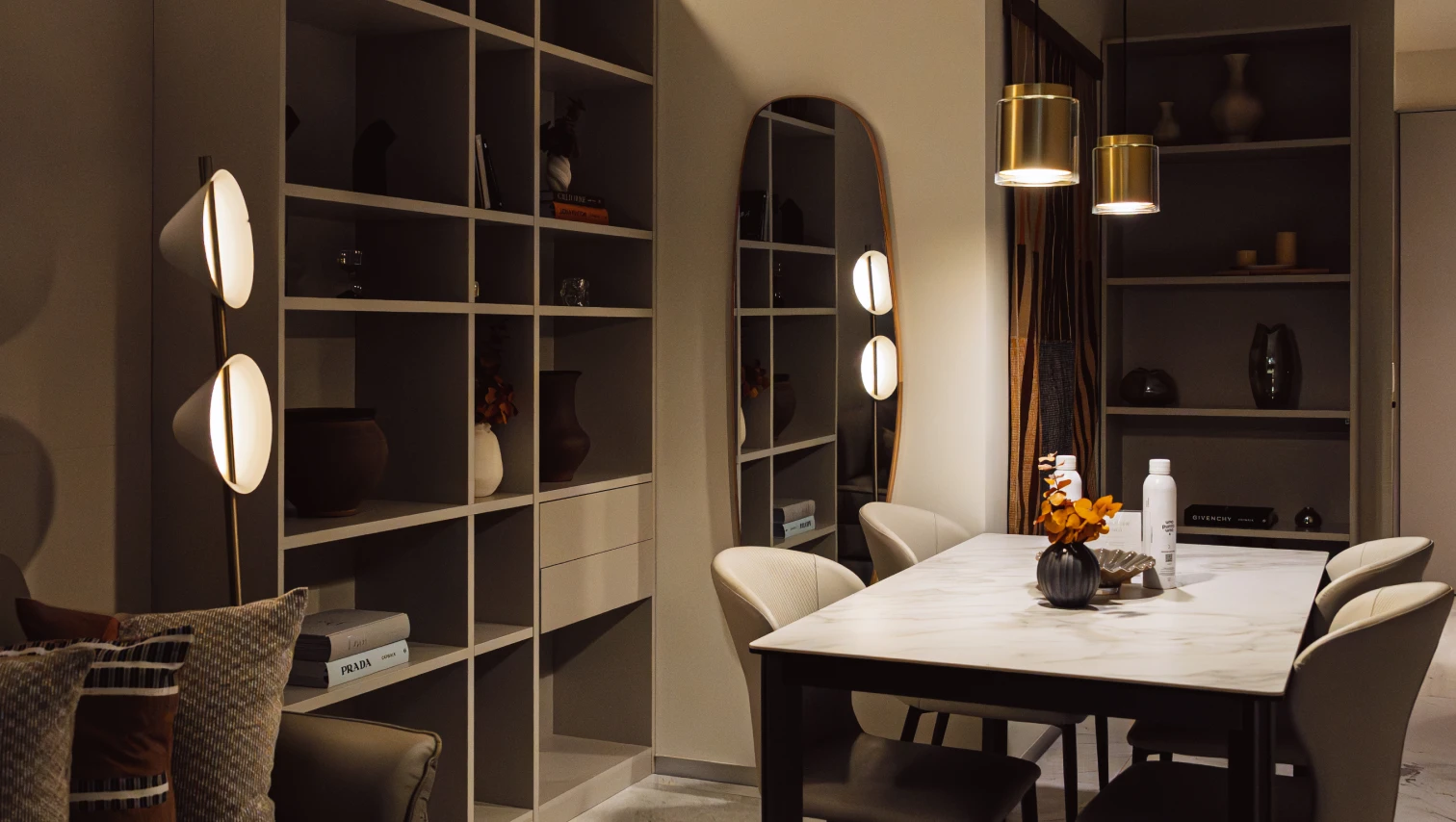
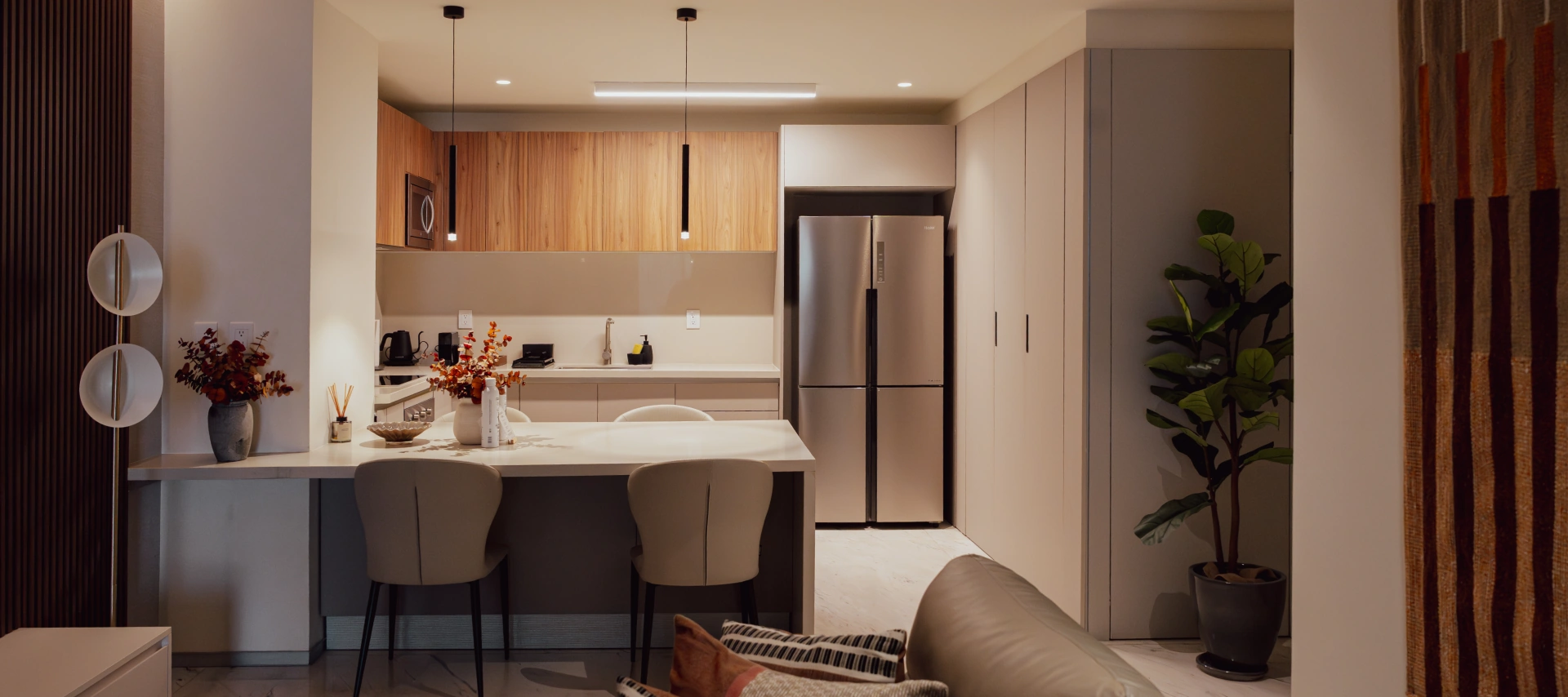
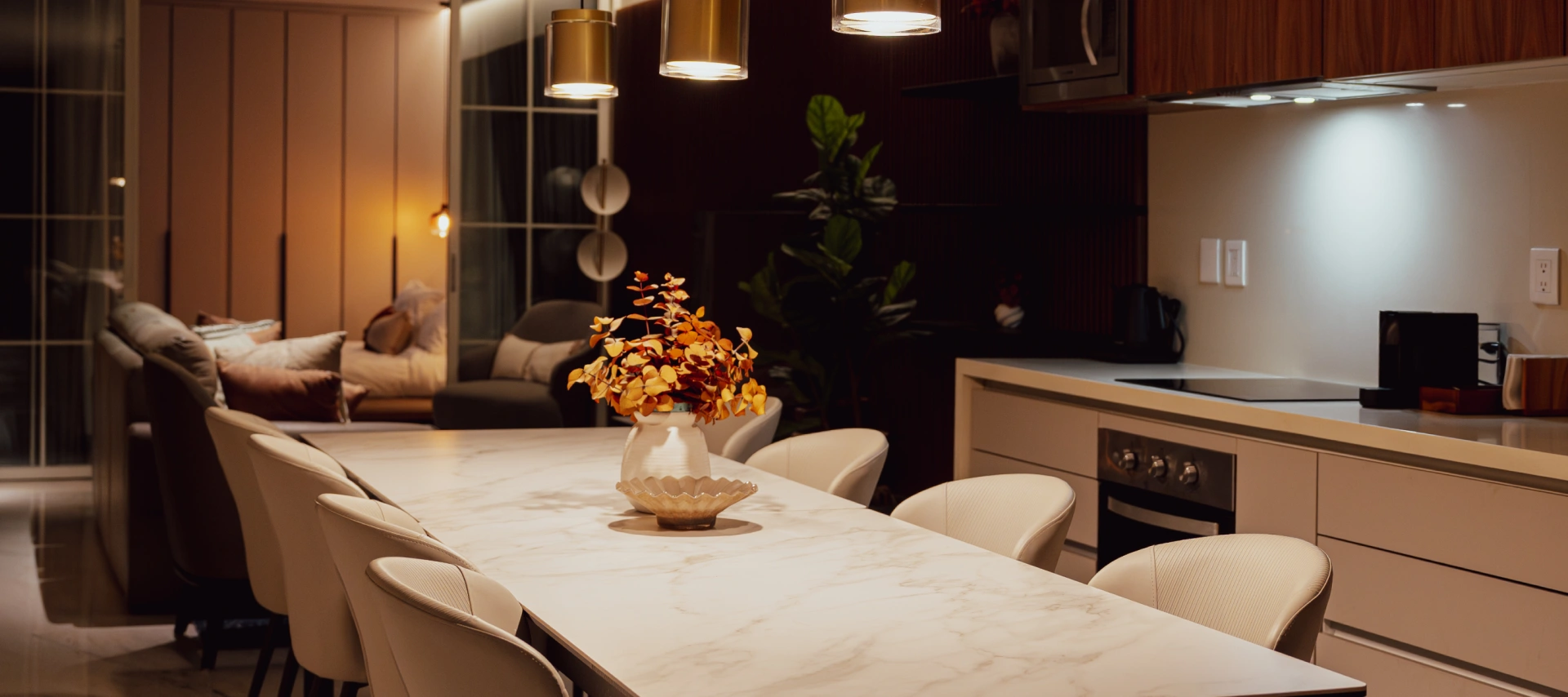
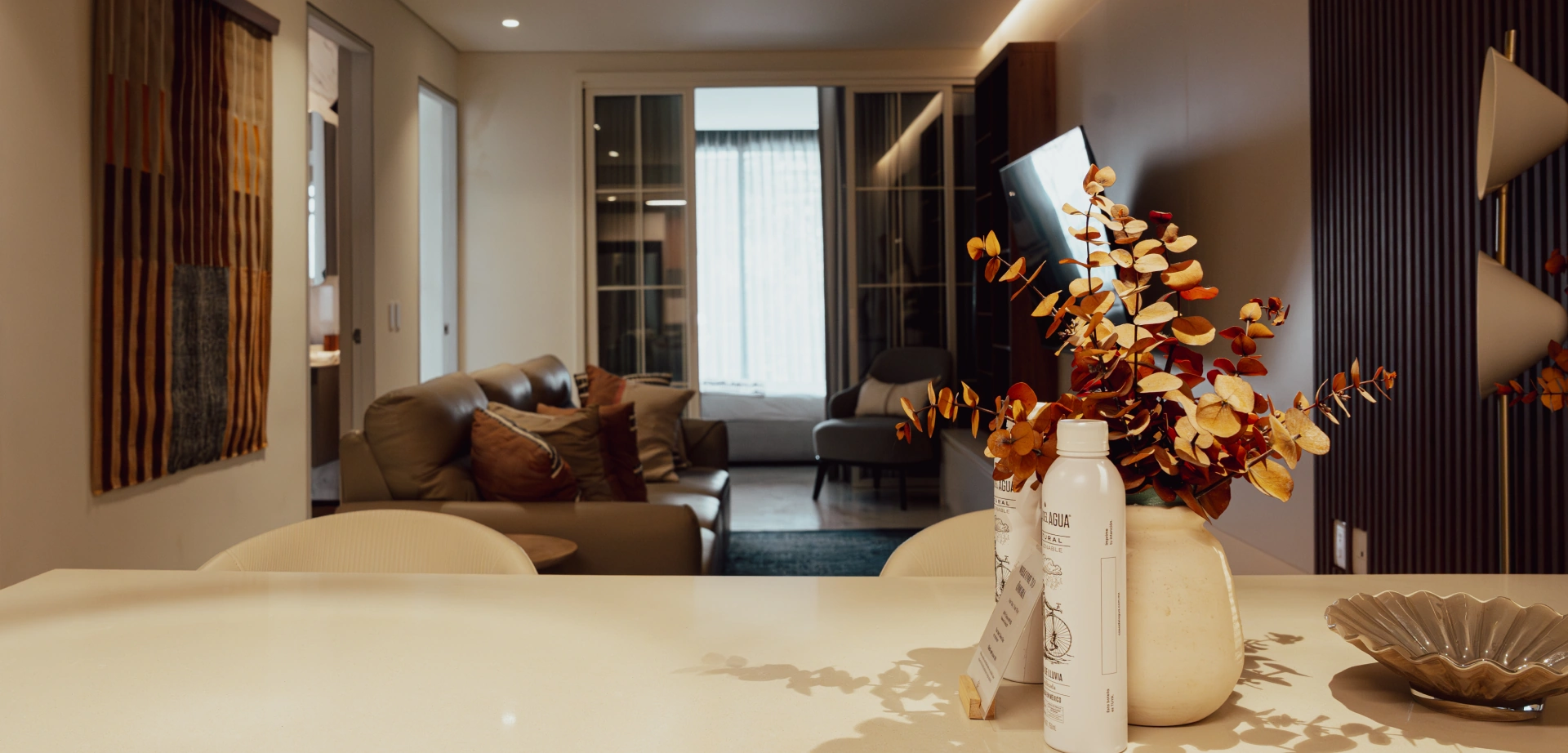
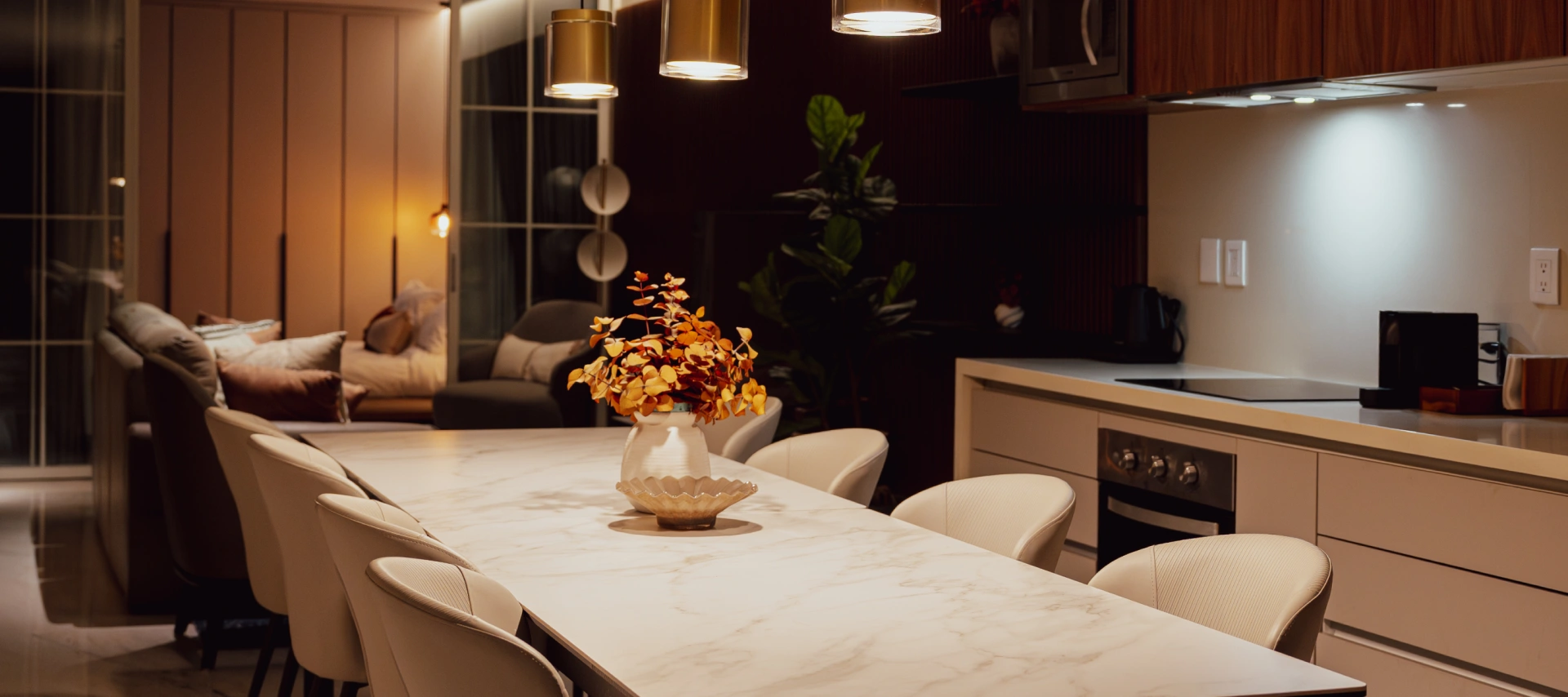
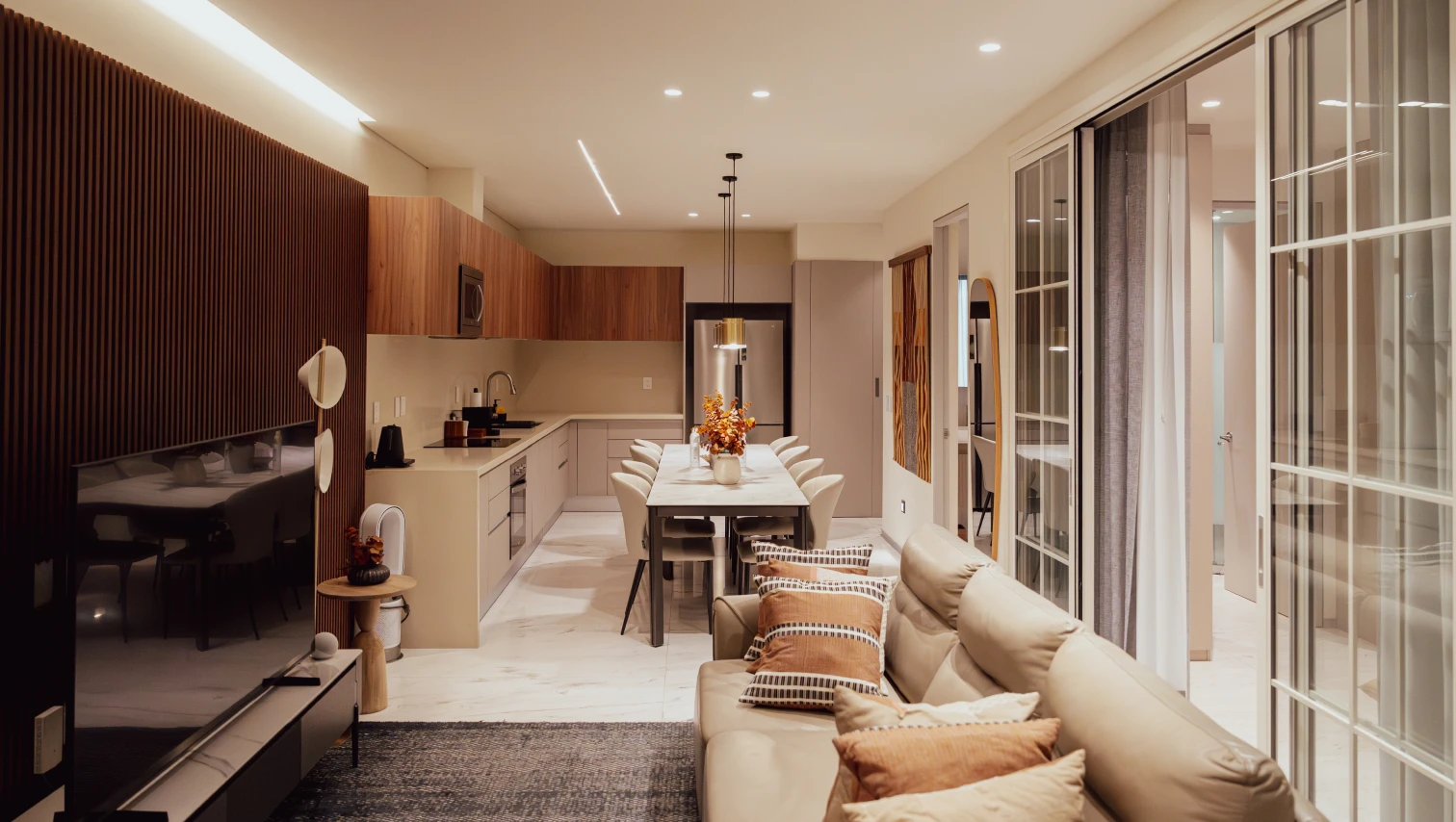
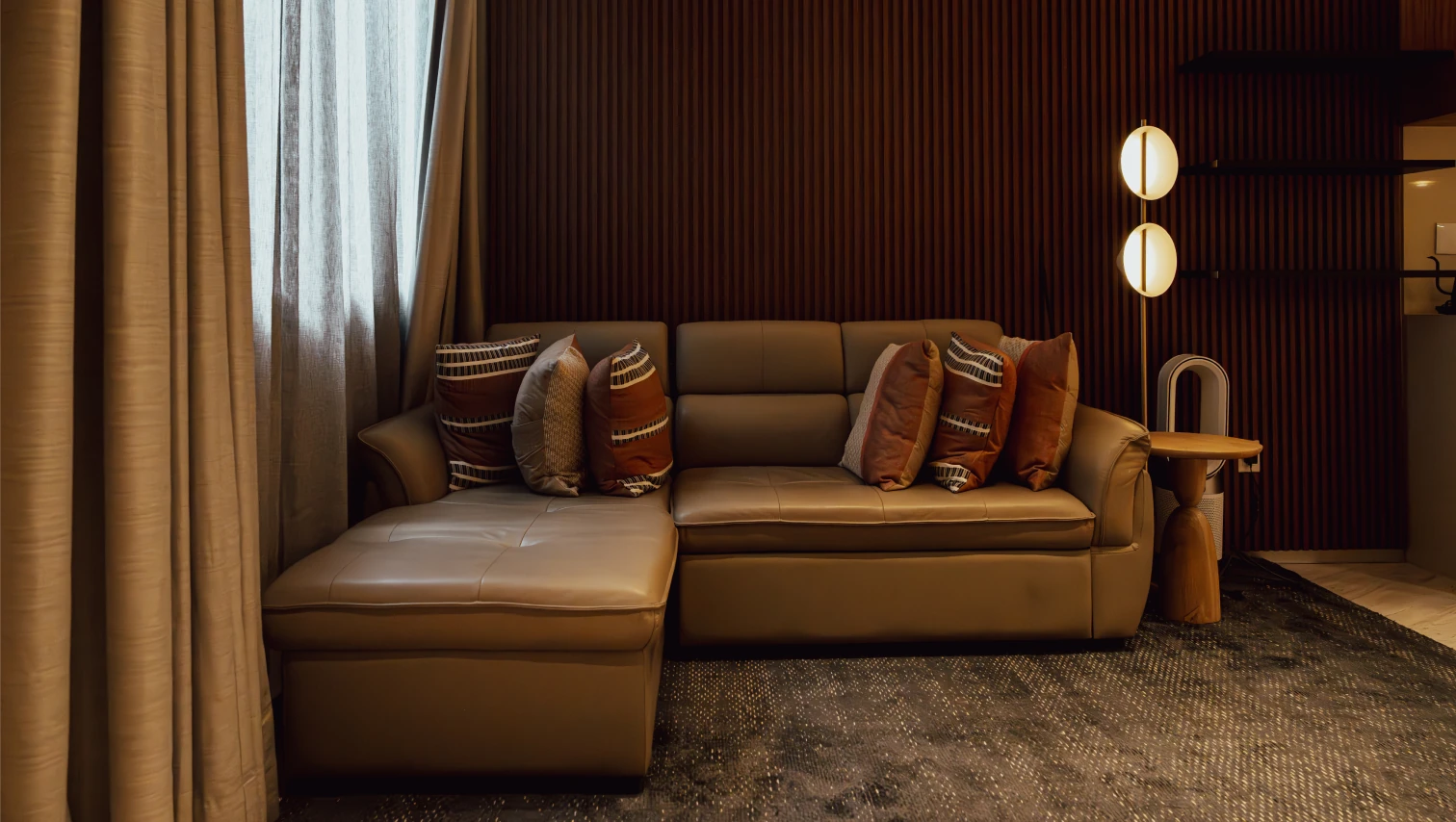
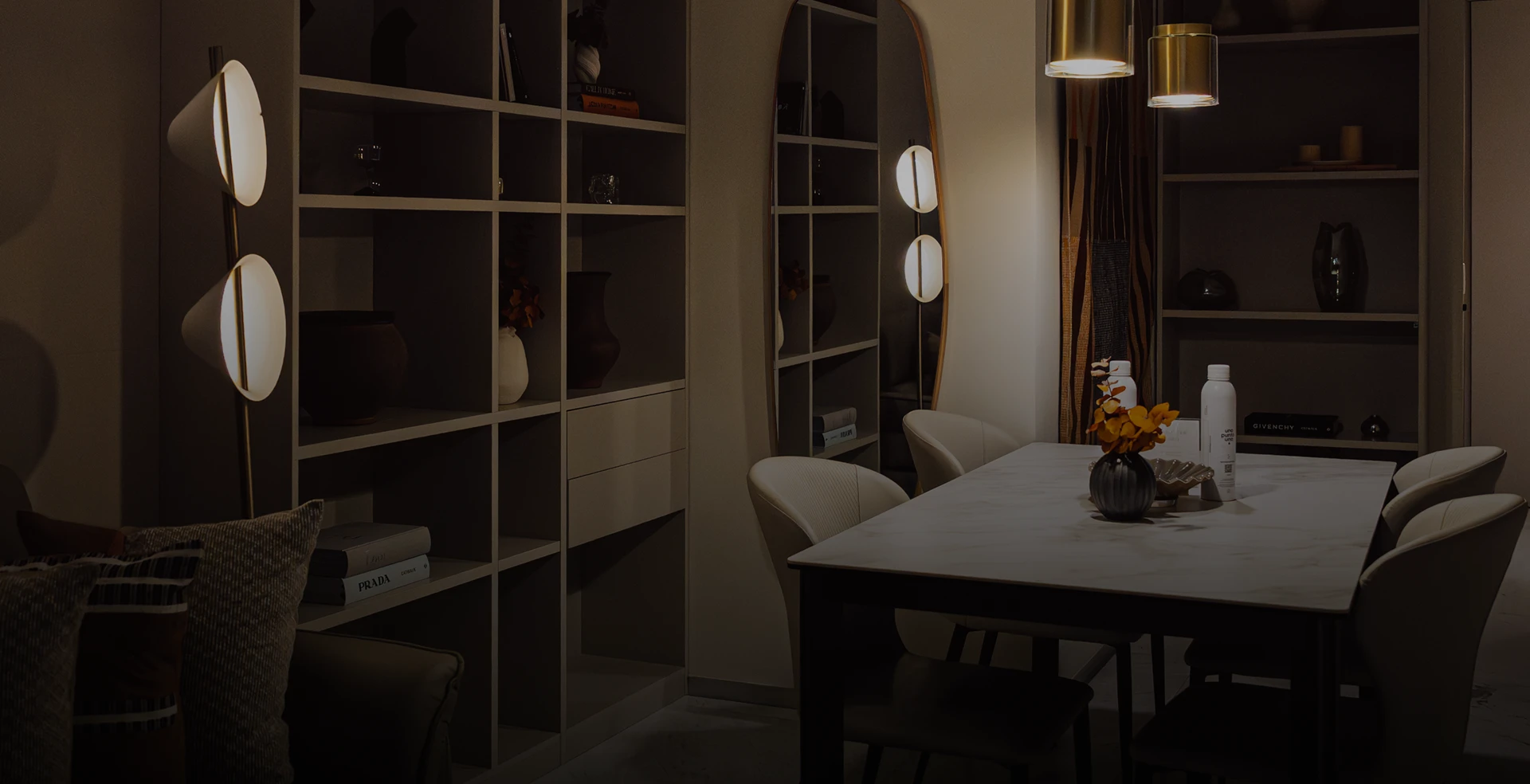
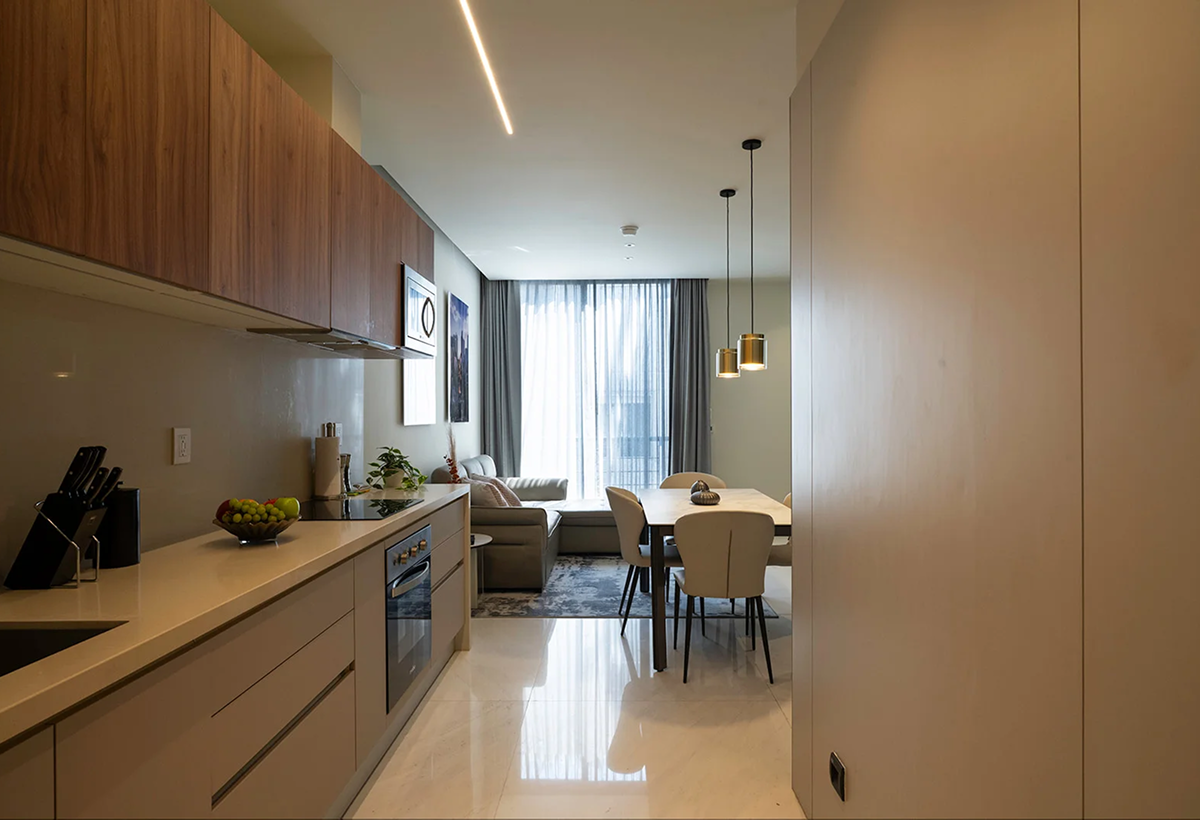
Ömora offers furnished apartments in Polanco designed with the level of comfort and privacy demanded by the most discerning travelers. From one-bedroom apartments with private terraces to deluxe penthouses boasting city views, each property is equipped with everything needed to work, rest, and enjoy without compromise.
Book your apartment in CDMX's most exclusive area
Browse the full Ömora apartment collection and tailor your stay to your exact needs, whether for a single night, several weeks, or an extended period of remote work in CDMX. Contact the Ömora team for personalized guidance and to book the apartment that best matches your travel style.
Learn more about Ömora’s hospitality philosophy on our About Us page, or explore the Ömora blog to discover more CDMX guides written for travelers who refuse to settle for the ordinary.
.