
Why is Polanco the cultural epicenter of Mexico City?
The Miguel Hidalgo borough, and particularly the Polanco area next to Ampliación Granada, concentrates some of the most visited cultural venues in the country. In just a few blocks, you can go from a 15th-century European art collection to an international contemporary art exhibition, and from there walk to Chapultepec Park to continue the route with history and anthropology museums.
This is not accidental. The area was developed as a residential and cultural enclave since the 1930s, and today it reflects the most cosmopolitan side of the Mexican capital. Touring its museums is understanding how Mexico dialogues with art, history, and modernity all at the same time.
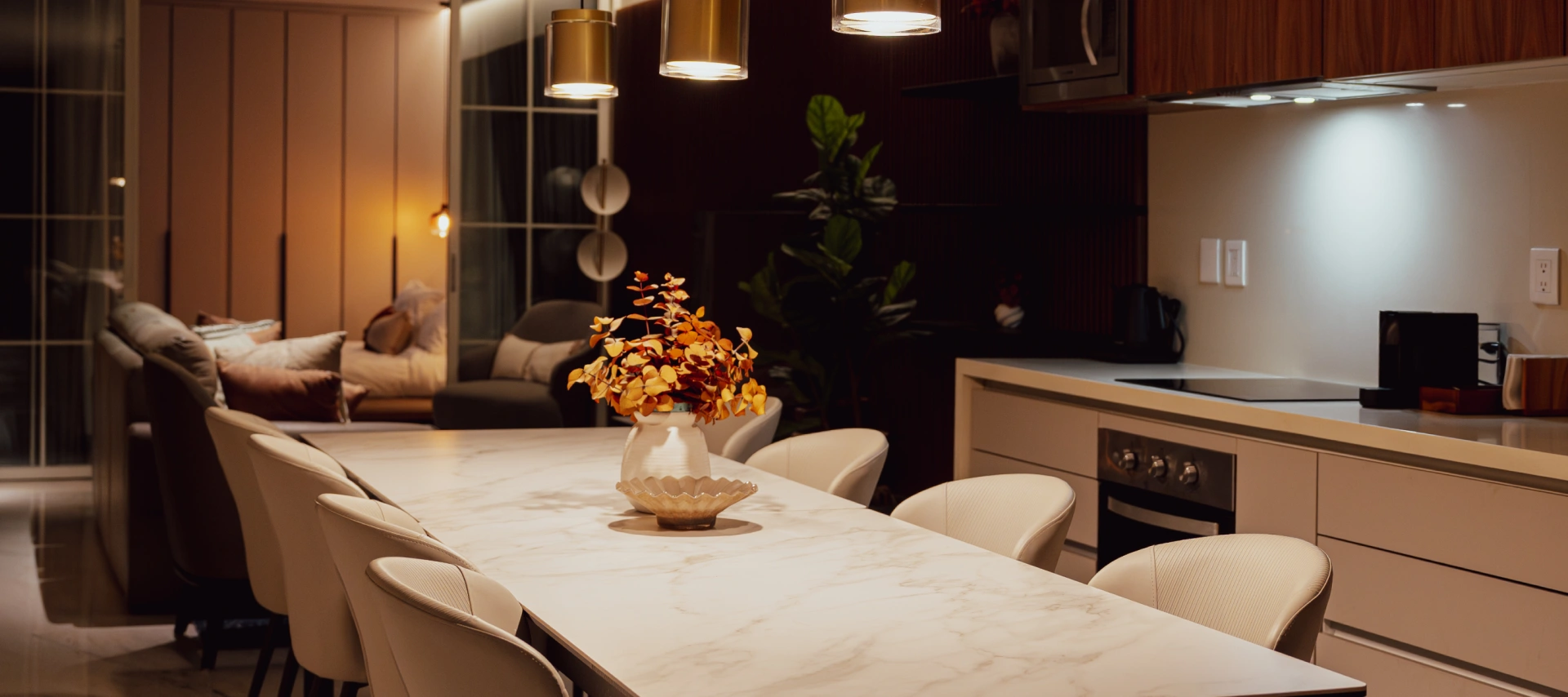
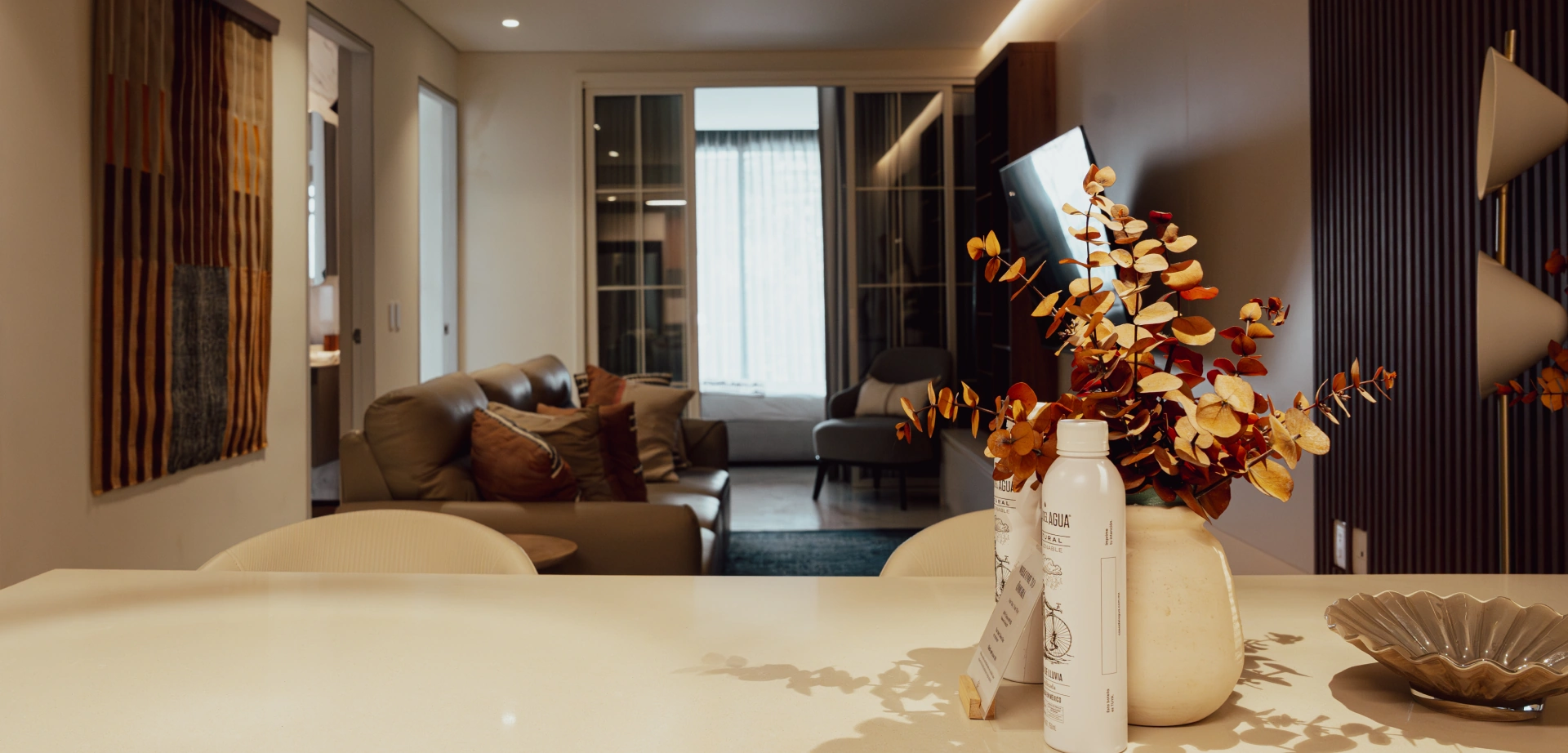
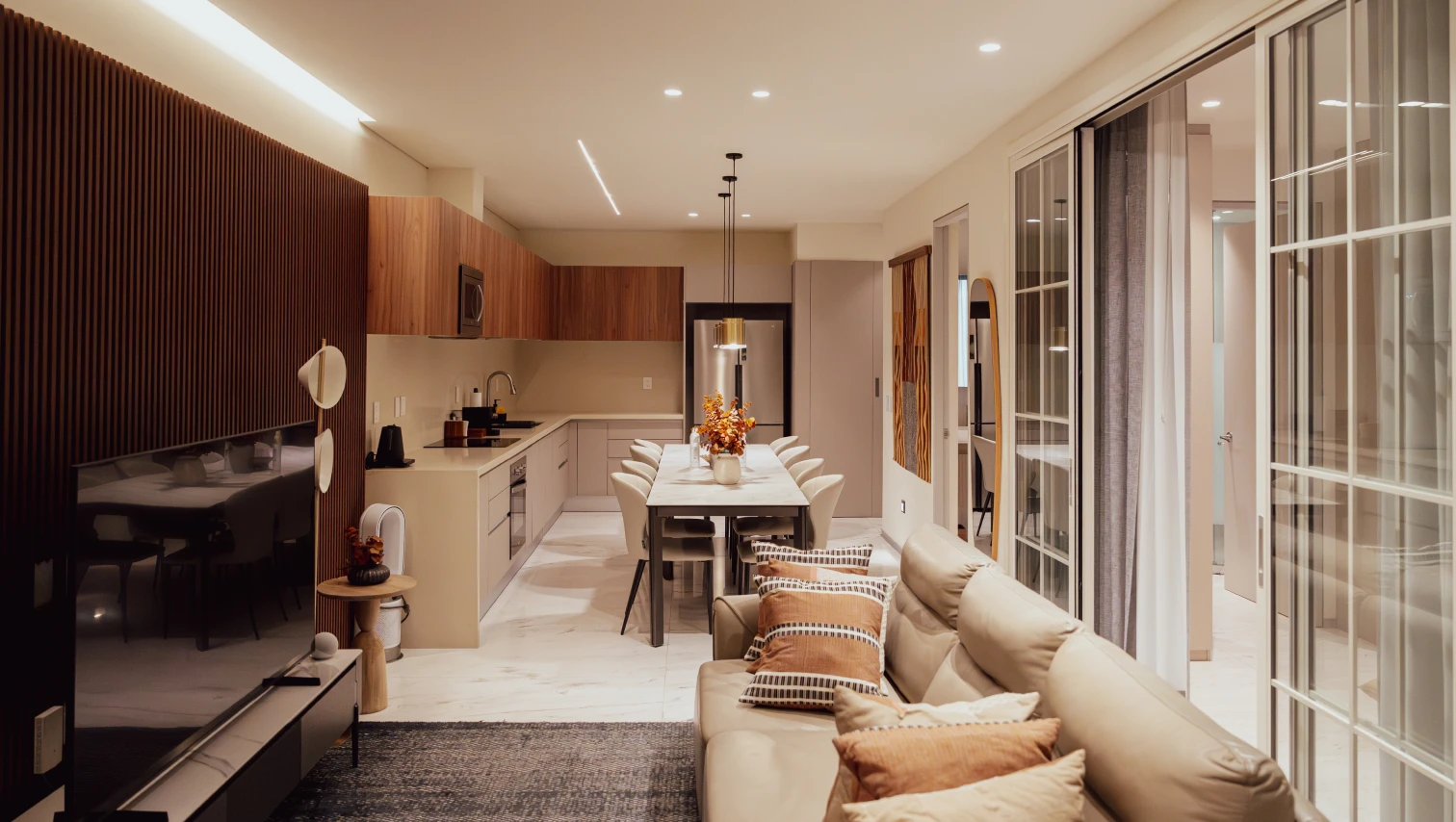
If you are looking for where to stay while exploring this area, Omora’s furnished apartments in Polanco place you just steps away from everything this guide describes.
Soumaya Museum at Plaza Carso
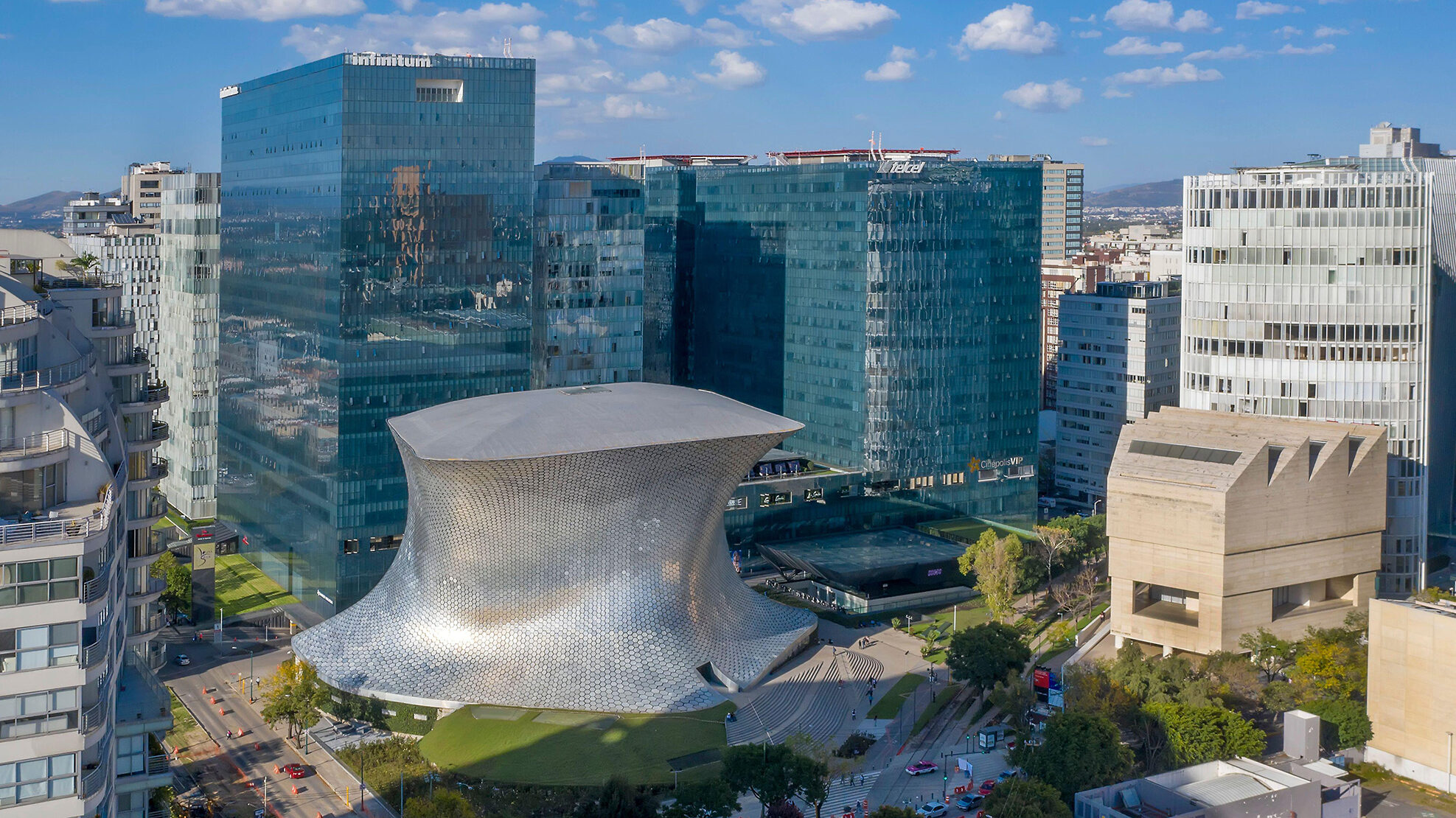
The Soumaya Museum is the mandatory starting point for any tour of the museums in Polanco. Its silver facade, formed by more than 16,000 aluminum hexagons, is already a visual icon of the city before even entering.
Designed by architect Fernando Romero and inaugurated in 2011, the building is part of the Plaza Carso complex in Ampliación Granada, adjacent to Polanco. Inside, its six exhibition floors house more than 70,000 pieces spanning 30 centuries of art history, from medieval sacred art to Mexican muralism, including works by Rodin, Dalí, Picasso, Van Gogh, El Greco, and Matisse.
One of its most well-known treasures is Rodin’s The Thinker at the entrance, one of the original castings from the artist’s mold. The collection also includes pre-Hispanic pieces, viceregal art, and an extensive collection of historical coins and banknotes.
Admission is completely free every day. The museum is open Tuesday through Sunday from 10:30 a.m. to 6:30 p.m.
Museo Jumex
Right across from the Soumaya, separated by just a pedestrian plaza, is the Museo Jumex. If the Soumaya appeals to the history of Western art, the Jumex focuses on the present and the future.
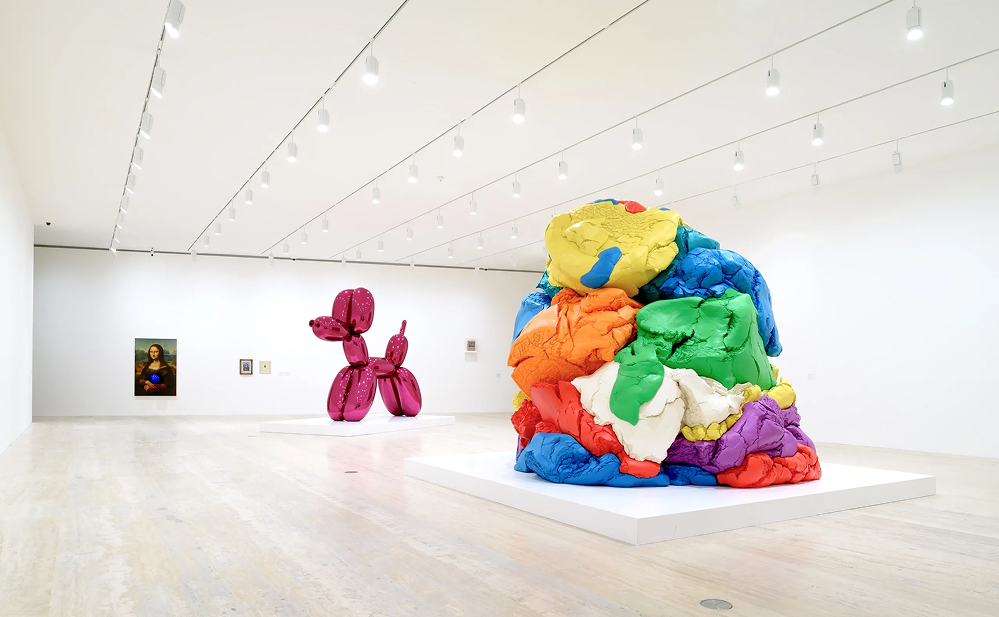
Founded in 2013 by Eugenio López Alonso as part of the Fundación Jumex Arte Contemporáneo, this museum houses one of the most important private contemporary art collections in Latin America. Its building, designed by British architect David Chipperfield with his characteristic saw-tooth roof, is an aesthetic statement in itself.
The exhibitions are temporary and rotate frequently, bringing in international figures such as Jeff Koons, Andy Warhol, Damien Hirst, and Olafur Eliasson, as well as top-tier Mexican artists. It also offers lectures, workshops, and free guided tours from Tuesday to Friday at 12:00 p.m. and 4:00 p.m.
The entrance fee is 70 pesos, with free admission every Tuesday. The museum is open Tuesday through Friday from 10:00 a.m. to 5:00 p.m., Saturdays from 10:00 a.m. to 7:00 p.m., and Sundays from 10:00 a.m. to 2:00 p.m.
Visiting both museums, the Soumaya and the Jumex, in the same outing is one of the most dense and accessible cultural experiences that Mexico City offers. You can read more about the city’s art scene in this article on the best art galleries in Mexico City.
Siqueiros Public Art Gallery
A few blocks from the Soumaya-Jumex corridor, within Polanco proper, is the Sala de Arte Público Siqueiros (Public Art Gallery of Siqueiros), known as SAPS. This space was born on January 29, 1969, when muralist David Alfaro Siqueiros decided to turn his own residence into a legacy for the country.
SAPS is a hybrid between a house-museum and a gallery. It preserves original murals by the artist, presents temporary exhibitions of modern art, and offers an intimate and personal perspective on one of the most influential muralists of the 20th century. It also features a children’s library for the little ones.
Admission is free, and the space has a much quieter atmosphere than the large museums of Plaza Carso, making it an ideal visit for those looking for something more reflective and less crowded.
National Museum of Anthropology
Technically located within Chapultepec Park, the National Museum of Anthropology shares the same neighborhood as Polanco and is a natural part of any cultural route through the area. It is the most visited museum in the capital and, for many, the most important in Mexico.
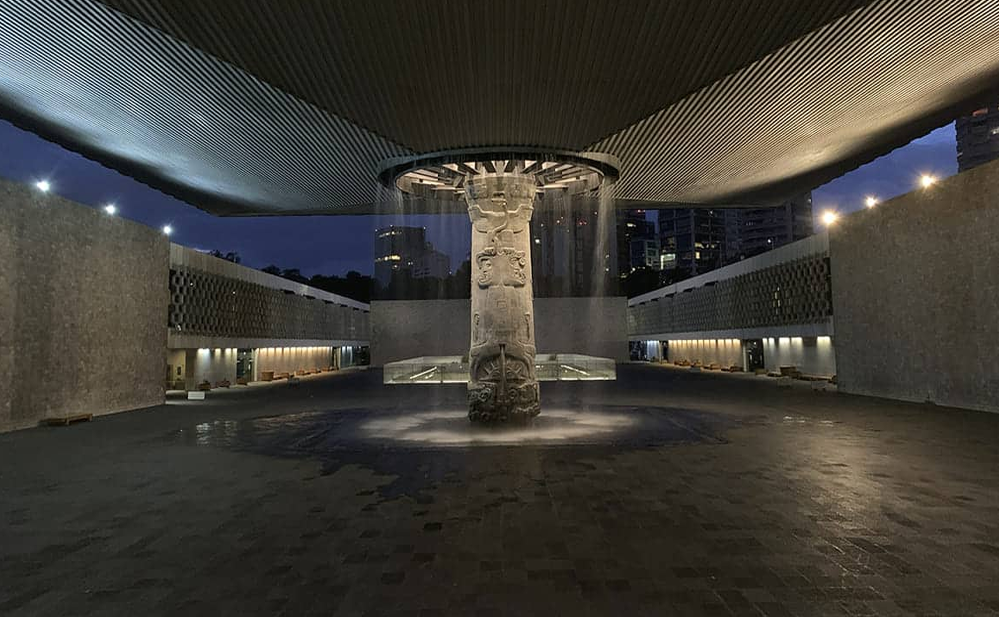
Designed by Pedro Ramírez Vázquez and inaugurated in 1964, the building itself is a masterpiece. Its central courtyard, with the iconic “umbrella” fountain, prepares the visitor for a journey through the memory of Mesoamerica: the Mexica Room with the Sun Stone monolith, the Mask of Pakal, the Coatlicue, and dozens of rooms dedicated to the cultures that shaped what is now Mexico.
In 2025, the museum was awarded the Princess of Asturias Award for Concord for its contribution to the preservation of cultural heritage. General admission costs 90 pesos and is free on Sundays.
Tamayo Museum of Contemporary Art
Also located in the first section of Chapultepec Park, the Tamayo Museum is another classic that perfectly complements an afternoon of museum-going in Polanco. Founded in 1981, it was conceived as a space for the work of Oaxacan painter Rufino Tamayo and for international contemporary art.
The building, designed by Abraham Zabludovsky and Teodoro González de León, has a human scale and a more intimate atmosphere than the Soumaya or the Anthropology Museum. Its temporary exhibitions are always of a high standard, and admission is free for students, teachers, and senior citizens with a valid ID.
Museum of Modern Art
Within the same Chapultepec Park, the Museum of Modern Art is the essential reference for understanding 20th-century Mexican art. Its collection includes works by Frida Kahlo, Diego Rivera, José Clemente Orozco, and other fundamental artists of national modernism.
The circular building, surrounded by gardens with outdoor sculptures, invites both indoor contemplation and outdoor strolling. Admission is free for the general public on Sundays.
How to plan your museum route in Polanco?
The ideal route begins at Plaza Carso, where you can dedicate the morning to the Soumaya Museum and the early afternoon to the Jumex Museum. Both are facing each other, and you can walk between them in less than two minutes.
From there, a taxi or the Metro will easily take you to the Siqueiros Public Art Gallery (SAPS) to wrap up the afternoon. If you have a full day, continue toward Chapultepec Park to add the National Museum of Anthropology, the Tamayo Museum, or the Museum of Modern Art.
For a quieter experience, weekdays are the ideal time. On Sundays, the museums are more crowded, and many offer free admission, making them a good option if you are looking to maximize your budget.
You can read our complete guide on what to do in one day in Polanco to integrate the museums with restaurants, parks, and other points of interest.
Practical tips before visiting
The museums in the Plaza Carso area do not require prior reservations, although the Jumex Museum usually requests them for group visits. For the National Museum of Anthropology, it is advisable to go early, as it receives thousands of daily visitors and its rooms can become crowded.
Bringing water and comfortable footwear is essential, especially if you plan to combine the museums in Plaza Carso with those in Chapultepec Park on the same day. The distance between the two areas is about 20 minutes on foot or five minutes by taxi.
The weather in Mexico City can be unpredictable, especially in the spring. If you are planning your visit during that season, this guide on Polanco in the spring has useful information about what to expect from the city at that time of year.
Where to stay to experience Polanco to the fullest?
Exploring Polanco is much easier when you stay in the area: you can walk to Plaza Carso, take the metro to Chapultepec, and have breakfast on Masaryk without relying on taxis.
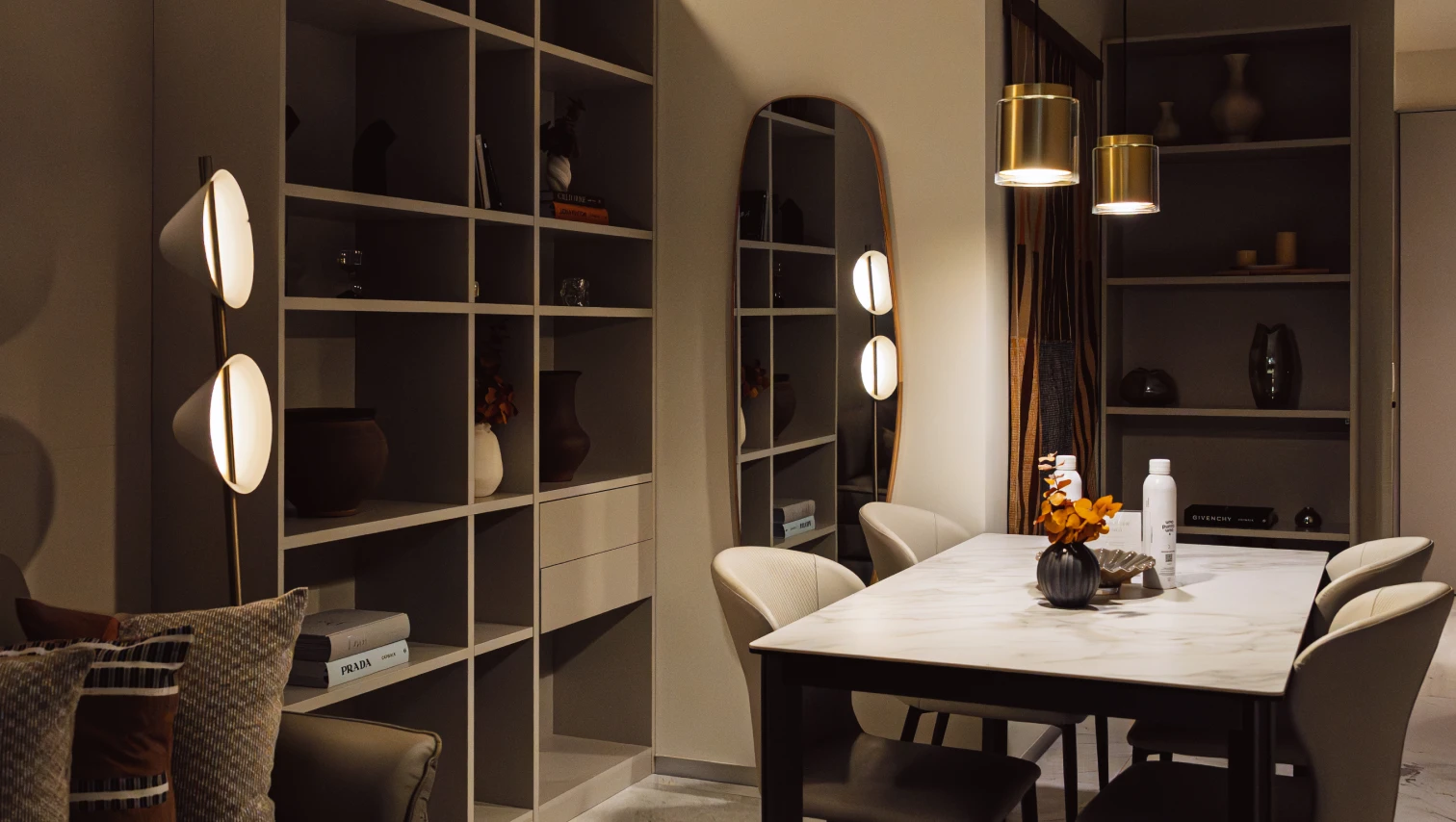
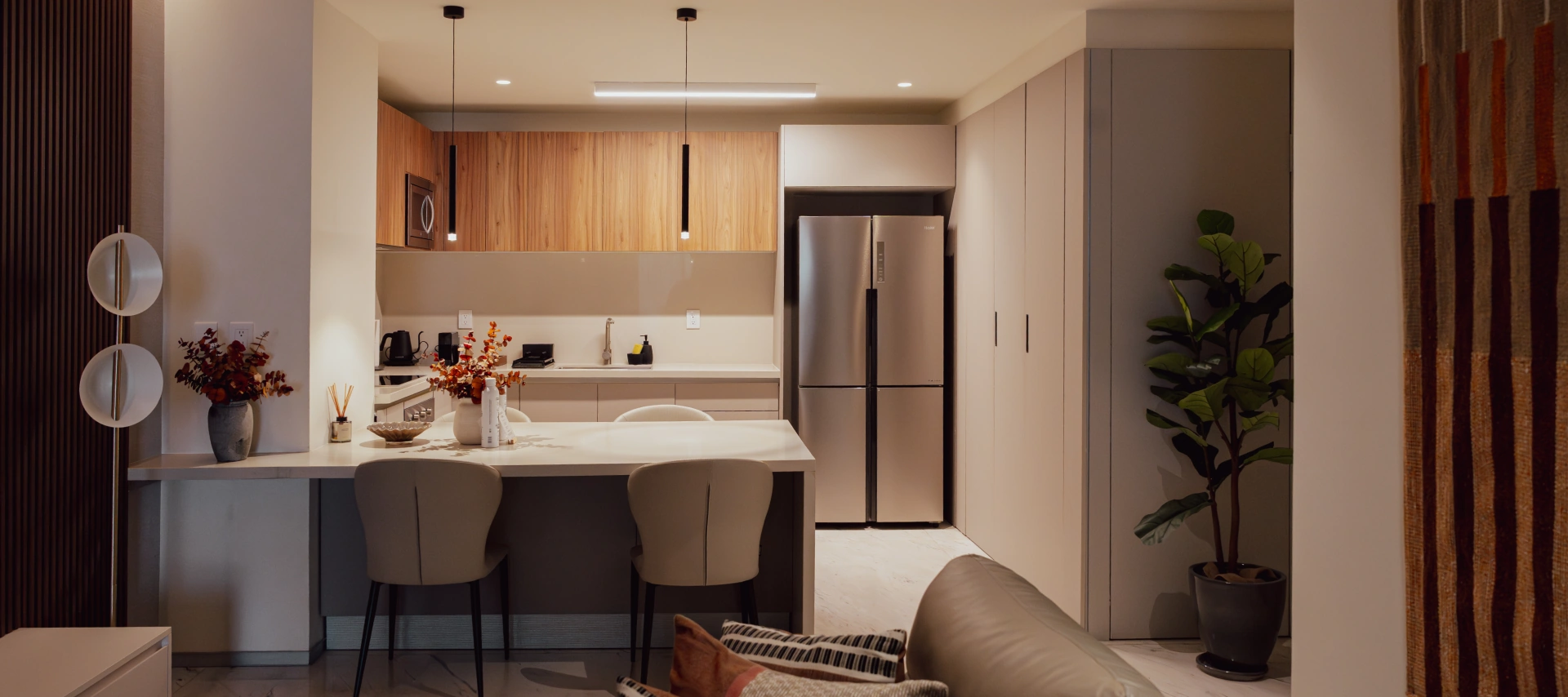
Omora offers furnished apartments in Polanco for short or long stays, with equipped kitchens and high-speed internet. Explore their full collection or choose directly:
-
2-bedroom with urban balcony — city views
-
1-bedroom with private garden — intimate and quiet atmosphere
-
3-bedroom master suite — the most spacious option
For availability and reservations, visit their contact page.
What makes Polanco unique
Few areas in the world concentrate so much cultural offerings within such a walkable radius. The museums in Polanco are not just tourist destinations: they are part of the neighborhood’s daily rhythm, accessible at any time and for any type of visitor.
Whether you are coming for a weekend, a work week, or an entire season, the area has enough cultural density to surprise you every time you step out for a walk. The Soumaya on a Tuesday, the Jumex on a Saturday, the Anthropology Museum on a free Sunday: the city always has something new to show.
Learn more about the experience of living and exploring Mexico City from Polanco on the Omora blog and discover why this neighborhood continues to be one of the most complete destinations in Mexico.