
Why Mexico City rewards slow, budget-conscious exploration?
Most visitors rush between paid attractions and miss what makes this city exceptional: the way public space functions as a cultural stage. Plazas host spontaneous concerts. Metro stations display pre-Hispanic artifacts behind glass. Murals narrate the entire arc of Mexican history on government walls you can walk into for free.
If you want a deeper understanding of how to experience the city beyond its obvious landmarks, the Omora guide to Mexico City offers a thoughtful starting point for planning your time here.
Historic center
The Zócalo and the Palacio Nacional
The Zócalo, formally known as Plaza de la Constitución, is the second-largest public square in the world. It anchors the entire historic center and serves as the geographic and symbolic heart of the country. Entry is always free, and the square shifts character dramatically depending on the day: political rallies, indigenous ceremonies, and open-air concerts all happen here.
Inside the Palacio Nacional, which faces the square directly, Diego Rivera painted one of the most ambitious mural cycles in human history. The main staircase mural, titled “The History of Mexico,” took Rivera over a decade to complete and moves from pre-Hispanic civilizations through the Spanish conquest to the Mexican Revolution. Entry to the palace and murals is completely free. This is one of the few places in the world where world-class public art remains genuinely public.
Nearby, the Metropolitan Cathedral rises in baroque grandeur along the north side of the square. It took nearly three centuries to complete, and the architectural result reflects every major style that passed through Mexico during that period.
Palacio de Bellas Artes
A short walk west along Madero Avenue brings you to the Palacio de Bellas Artes, the national theater and fine arts palace that contains murals by Rivera, Orozco, Siqueiros, and Tamayo. The lobby is accessible for free any day of the week. On Sundays, admission to the museum galleries becomes free for Mexican nationals, and discounted or free for many visitors. Even on a regular day, standing in the art deco and art nouveau interior costs nothing and offers an encounter with architecture that rivals anything in Europe.
The contrast between the white Carrara marble exterior and the art deco interior makes this one of the most photographed buildings in Latin America for good reason.
Bosque de Chapultepec
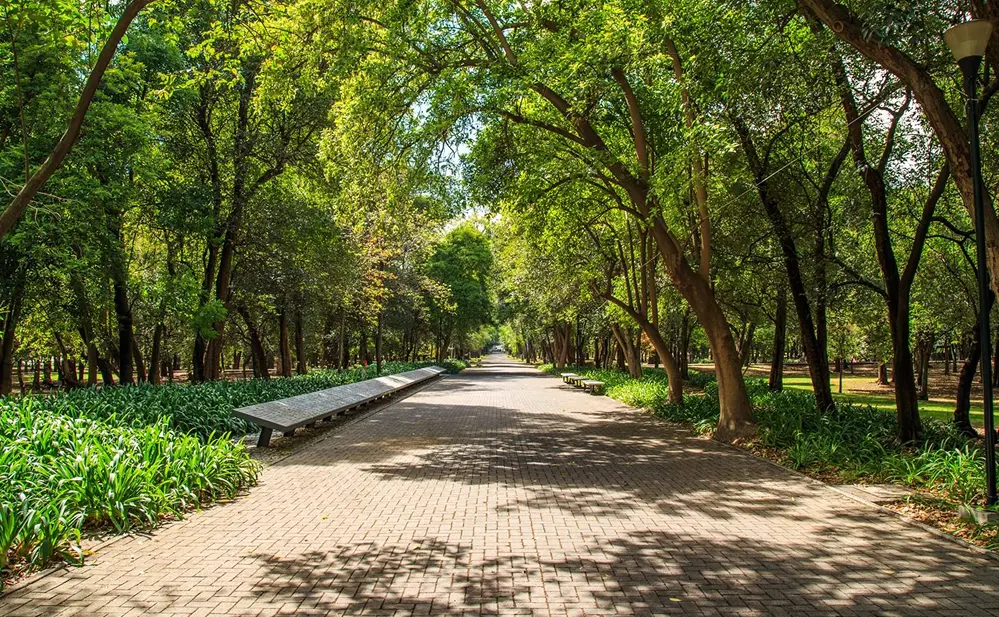
Chapultepec is not simply a park. At over 680 hectares, it is one of the largest urban parks in the Western Hemisphere, and it operates as a genuine ecosystem within the city. Families, joggers, vendors, performance artists, and students coexist across its shaded paths every single day.
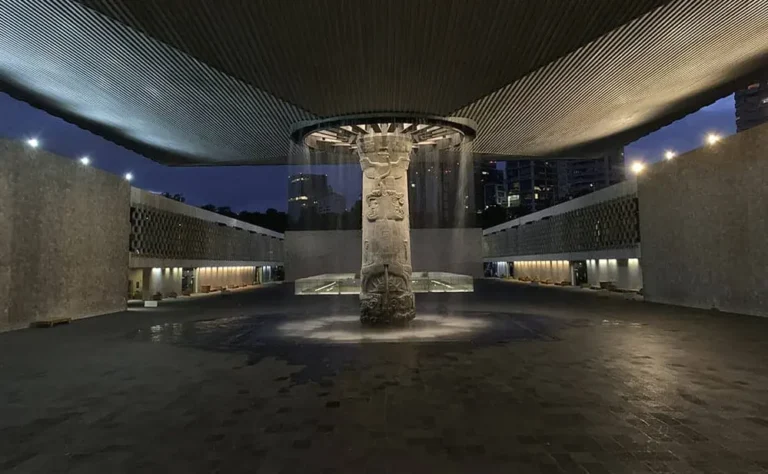
The park is divided into three sections. The first section, most visited and most central, contains the Chapultepec Zoo, which is entirely free and home to giant pandas, among hundreds of other species. The National Museum of Anthropology sits on the edge of the first section; while the museum itself charges admission, walking the park grounds and viewing the exterior is free, and the surrounding forest offers some of the best people-watching in the city.
The castle at the top of Chapultepec Hill once served as the official residence of Emperor Maximilian and later as the National Military Academy. The climb to reach it costs nothing; the museum inside charges a modest fee if you choose to enter.
For visitors interested in how Mexico City approaches its natural and urban spaces, Omora’s article on sustainable travel in Mexico City provides useful context on how the city is managing growth alongside conservation.
Free museums and art spaces
Museo Soumaya at Plaza Carso
The Museo Soumaya in Nuevo Polanco is one of the most architecturally striking buildings in the city: a freeform aluminum-clad tower designed by Fernando Romero. The permanent collection spans thousands of works, including the largest collection of Rodin sculptures outside of France, alongside Mexican and European masters from the 15th through the 20th century. Admission is entirely free, every day of the week.
This museum sits in the Polanco neighborhood, which is worth exploring as a destination in its own right. The area combines high-end boutiques, tree-lined avenues, and a dense concentration of galleries and restaurants. If you want to understand what makes Polanco one of the most distinctive neighborhoods in Latin America, this guide to a day in Polanco covers the neighborhood with the attention it deserves.
Noche de Museos
On the last Wednesday of each month, dozens of Mexico City museums stay open late into the night and offer free admission. The event, known as Noche de Museos, transforms the cultural calendar into something participatory and social. Museums that typically charge entry, including smaller neighborhood institutions and private foundations, open their doors and often host live performances, guided tours, and special programming.
This is one of the most underreported free experiences in the city and one of the clearest expressions of how CDMX treats culture as a public good.
The art scene beyond museums
Mexico City has one of the most active contemporary art scenes in Latin America, and much of it is accessible without paying admission. A significant number of commercial galleries in Roma, Condesa, and Polanco hold regular openings that are open to the public. Omora’s guide to Mexico City’s art scene maps out the galleries, street murals, and cultural institutions worth visiting, including several that never charge admission.
If you want to go deeper into specific institutions, this curated list of must-visit art galleries in Mexico City highlights spaces that combine serious programming with genuinely welcoming atmospheres.
Neighborhoods as destinations
Roma and Condesa
These two adjacent neighborhoods are the most architecturally refined in the city. Roma developed in the early 20th century under strong French influence, producing block after block of art nouveau townhouses and wide, tree-lined streets. Condesa followed a similar pattern and is organized around two oval parks, Parque México and Parque España, both of which are free, beautifully maintained, and active throughout the day.
Walking through these neighborhoods costs nothing and delivers more architectural richness than most cities can offer in a paid tour. The street-level experience is dense with independent bookstores, coffee shops, and small galleries, many of which do not charge entry.
Coyoacán
South of the city center, Coyoacán operates at a different pace. Its cobblestone streets, colonial plazas, and bohemian character have made it the neighborhood most associated with Frida Kahlo, who lived here for most of her life. While the Frida Kahlo Museum charges admission, the neighborhood itself, including Plaza Hidalgo, the Jardín Centenario, and the surrounding market, is entirely free to explore.
The market at Coyoacán is one of the best in the city for street food, artisanal crafts, and local produce. It is busy, genuine, and far removed from tourist-oriented shopping. Simply walking through it on a Saturday morning is one of the better free experiences CDMX offers.
Tlatelolco and the Plaza of Three Cultures
The Plaza de las Tres Culturas in Tlatelolco is one of the most historically layered sites in Mexico City. It places Aztec ruins, a 16th-century Spanish church, and 20th-century government housing in direct visual dialogue with each other. Entry to the plaza is free. The site also carries deep significance as the location of the 1968 student massacre, and a memorial there invites quiet reflection alongside the archaeological remains.
Architecture you can walk into for free
Mexico City’s historic center contains several architectural interiors that are technically public buildings and therefore free to enter.
The Gran Hotel Ciudad de Mexico, on the east side of the Zócalo, has a lobby covered by a massive Tiffany-style stained-glass ceiling designed by Jacques Gruber. Walk in as if you belong there and look up. The Casa de los Azulejos, covered entirely in 18th-century blue and white Talavera tiles, is another exterior worth stopping for. The building now houses a restaurant, but the exterior and entrance are freely viewable.
The Palacio Postal, designed by Italian architect Adamo Boari and completed in 1907, is the most ornate post office in the Americas. It functions as a working post office and is open to the public without charge. The interior combines Venetian and Flemish Renaissance details with Mexican materials in a way that feels genuinely overwhelming.
Sunday rituals
Paseo de la Reforma on Sundays
Every Sunday, Paseo de la Reforma, the grand boulevard connecting Chapultepec with the historic center, closes entirely to vehicle traffic. Cyclists, rollerbladers, joggers, and families take over the eight lanes from early morning until early afternoon. The ride or walk passes the Angel of Independence monument, several major museums, and consistent street performances along the route.
This is one of the most enjoyable free things to do in Mexico City and one of the best ways to see the Reforma corridor without the noise and traffic that define it on weekdays.
Free walking tours
Planning your stay in Polanco?
If you are spending several days in the city and want to be within walking distance of Chapultepec, Soumaya, and the gallery circuit of Polanco, staying in the neighborhood puts you at the geographic center of much of what this guide covers.
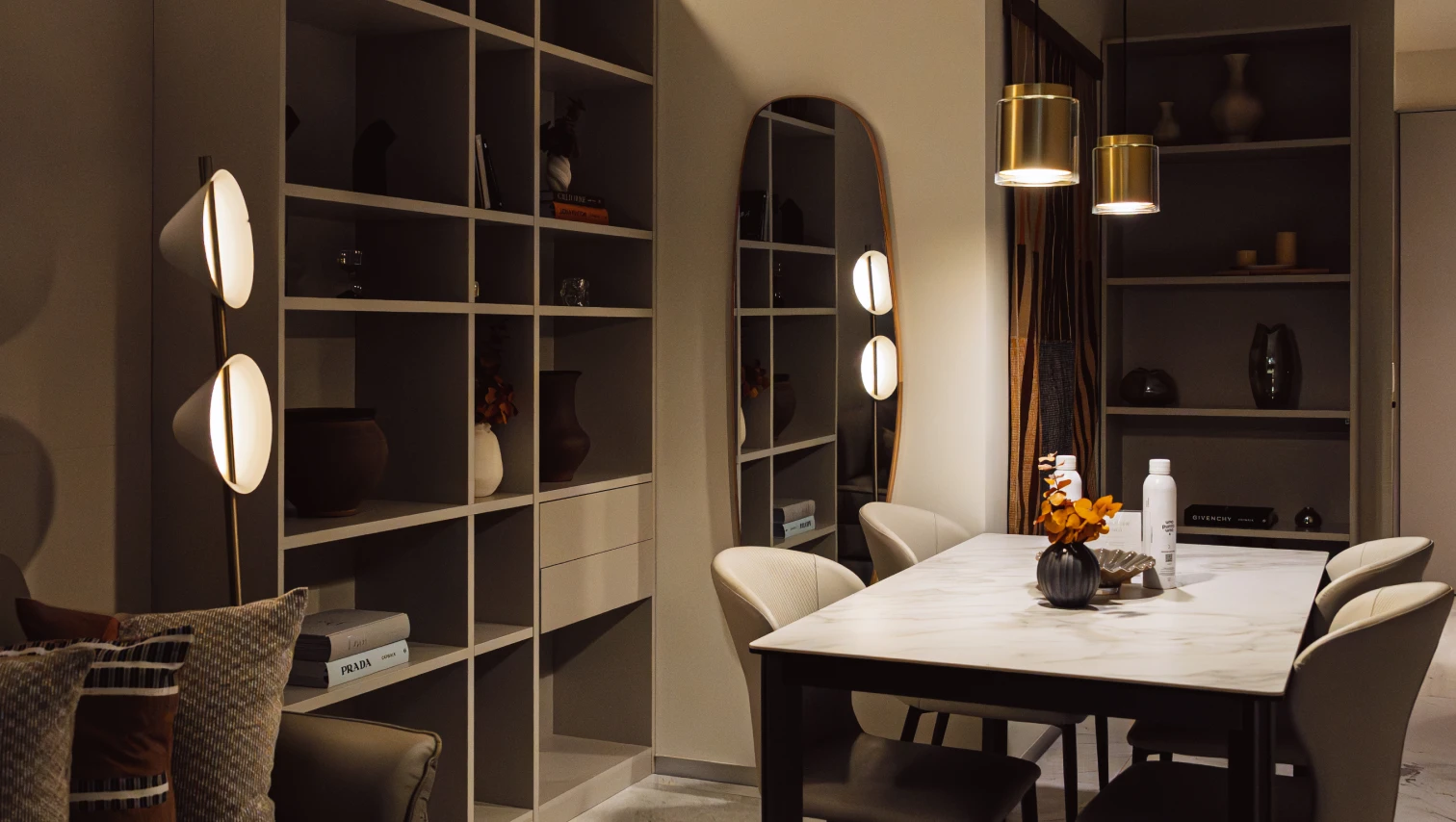
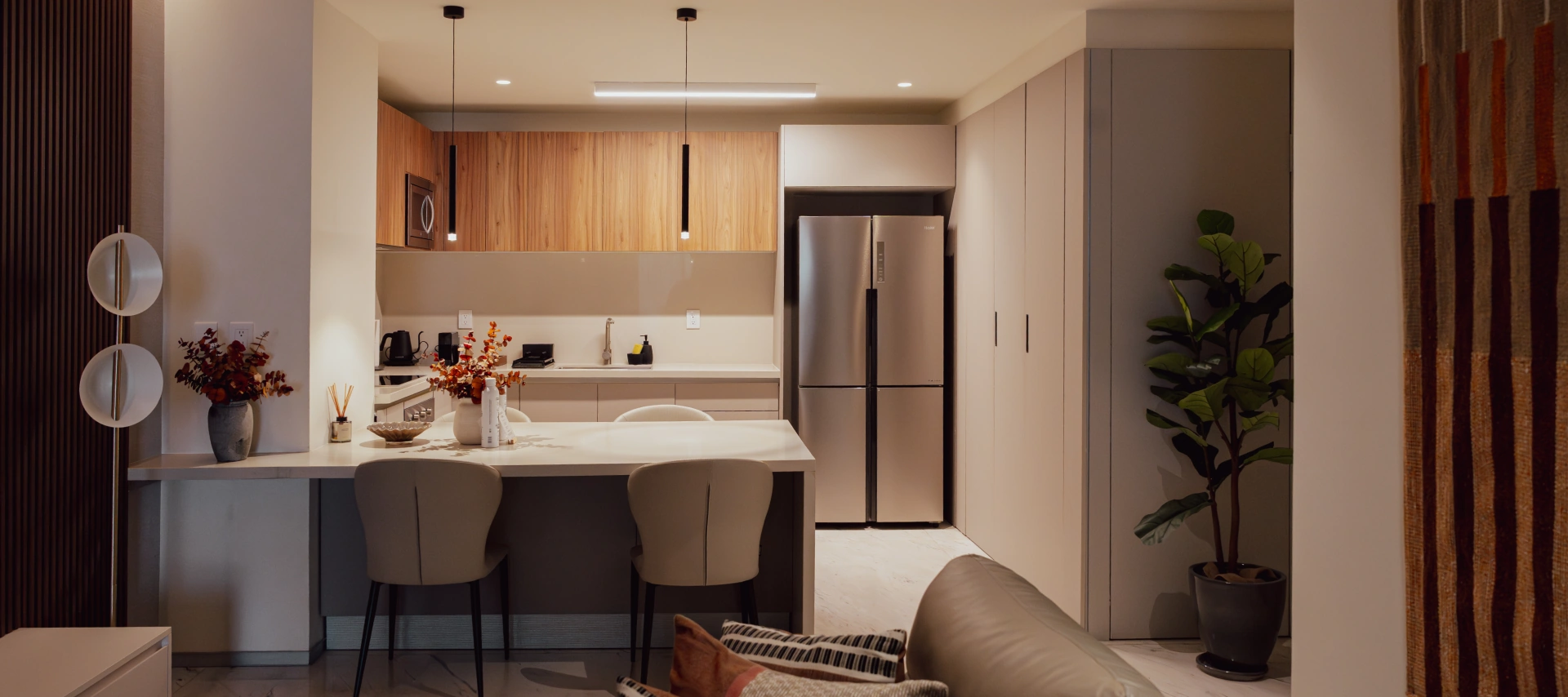
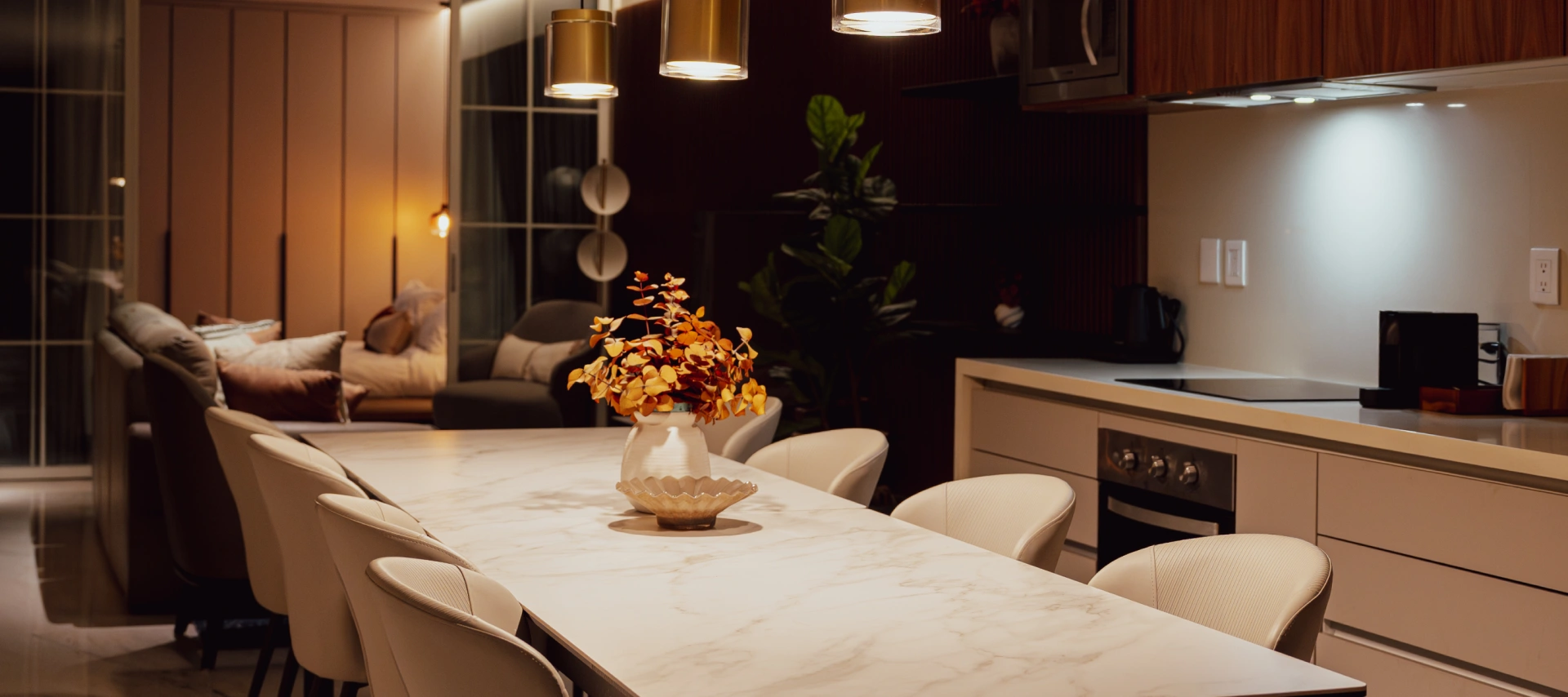
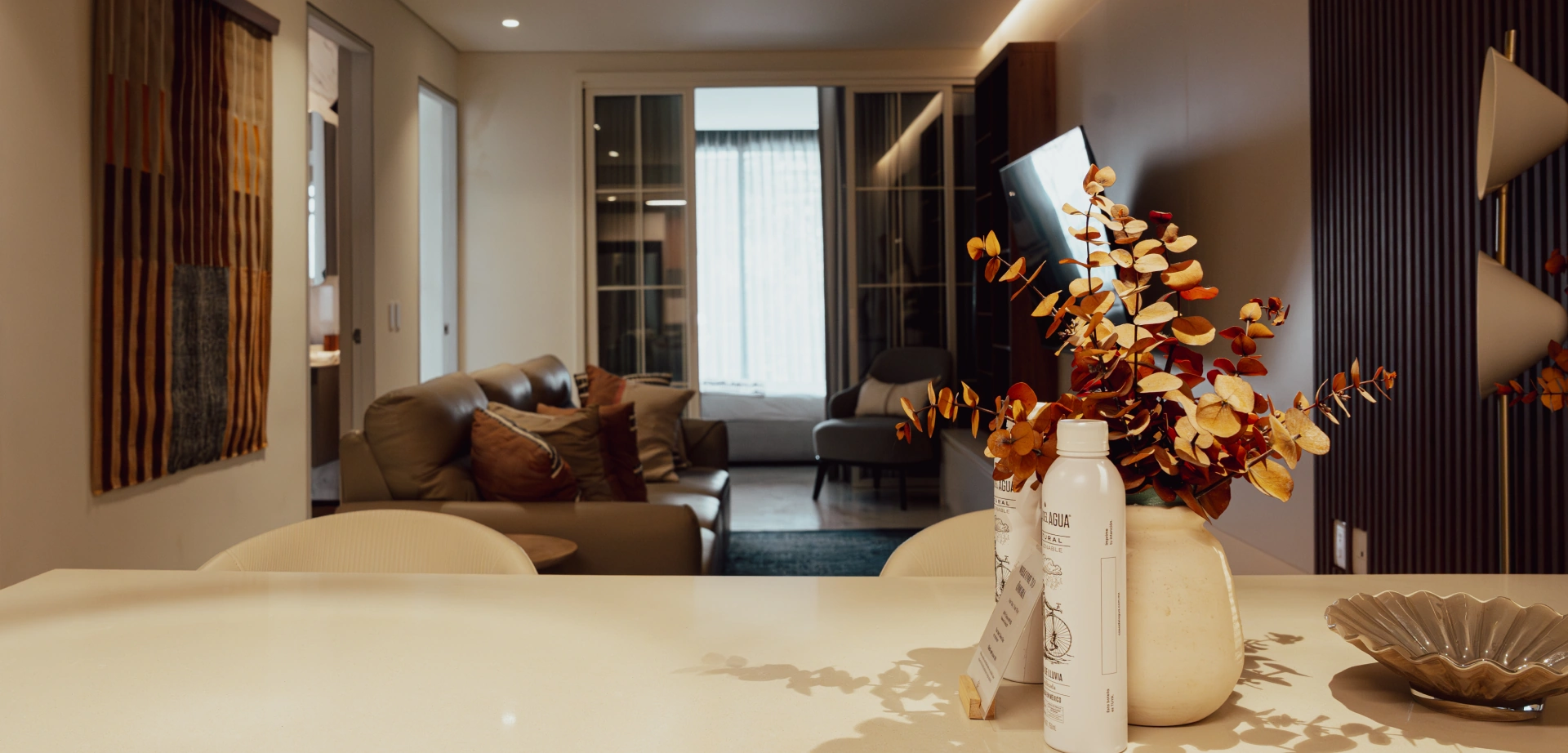
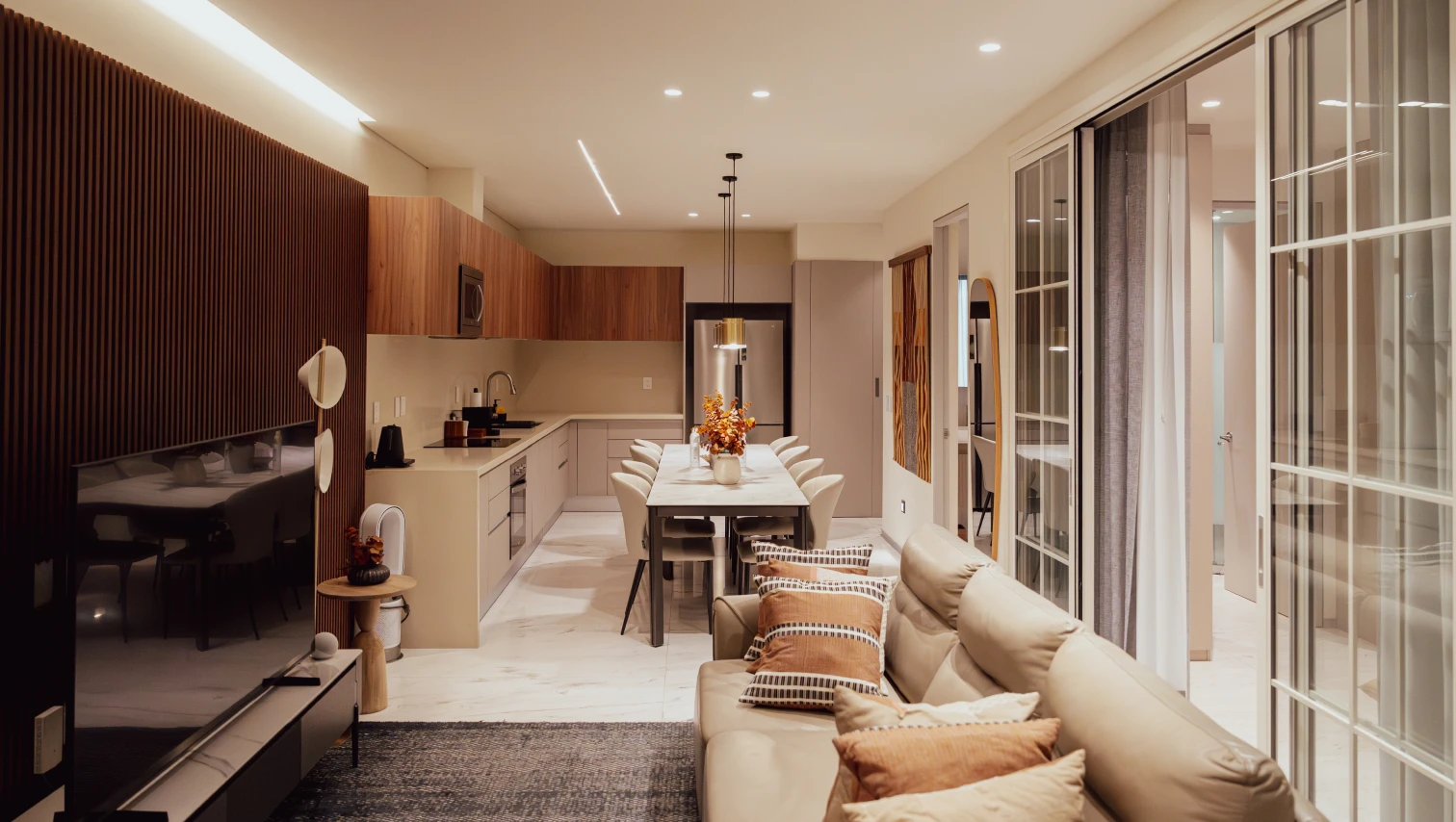
Omora offers a curated collection of luxury apartments in Polanco designed for both short and extended stays. Unlike a standard accommodation, staying in a fully-equipped apartment lets you live inside the neighborhood rather than simply visiting it, which changes the experience of the city significantly. You can explore the full apartment collection here, with options ranging from intimate one-bedroom spaces to spacious three-bedroom residences.
For travelers who value being positioned close to the cultural circuit without sacrificing comfort, this piece on why a luxury apartment in Polanco outperforms a traditional hotel stay articulates the difference clearly.
Ready to experience it firsthand?
Book your stay at Omora’s luxury apartments in Polanco and arrive in the neighborhood that puts you closest to the best of what Mexico City offers, all without spending a peso on the things that matter most.
For more on what makes this city worth returning to, this guide to 10 experiences unique to CDMX offers a broader view of what the city does that nowhere else on earth can replicate.