
The museums worth planning around
Museo Frida Kahlo. The Blue House in Coyoacán is the most in-demand ticket in the city, and admission runs on timed entry. Buy weeks ahead: during high season there’s no same-day walk-up window. What sets it apart from any retrospective is that it’s still a house, with the kitchen, the corsets, and the mirrored bed right where she left them.
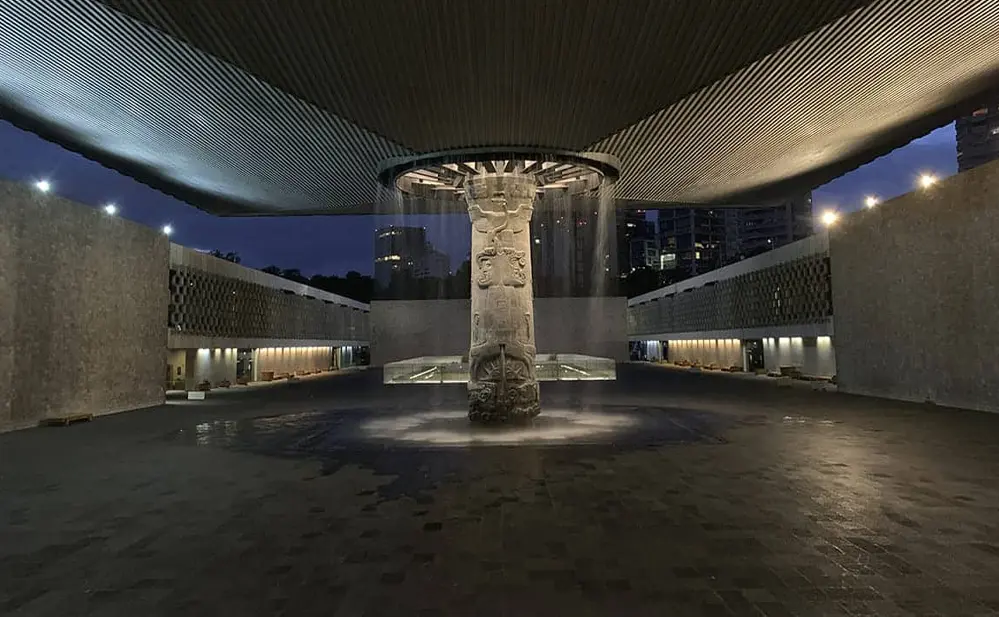
Museo Nacional de Antropología. The most significant pre-Hispanic collection on the continent, anchored by the Sun Stone. Pedro Ramírez Vázquez’s building and the giant umbrella fountain in the courtyard are a master class in modern Mexican architecture on their own. It sits in the first section of Chapultepec Park, under a fifteen-minute walk from our boutique residences in Polanco.
Museo Tamayo. A few steps from Anthropology, right on Reforma. It holds Rufino Tamayo’s personal collection, with work by Picasso, Warhol, and Bacon, plus a rotating program that’s usually the boldest in the city.
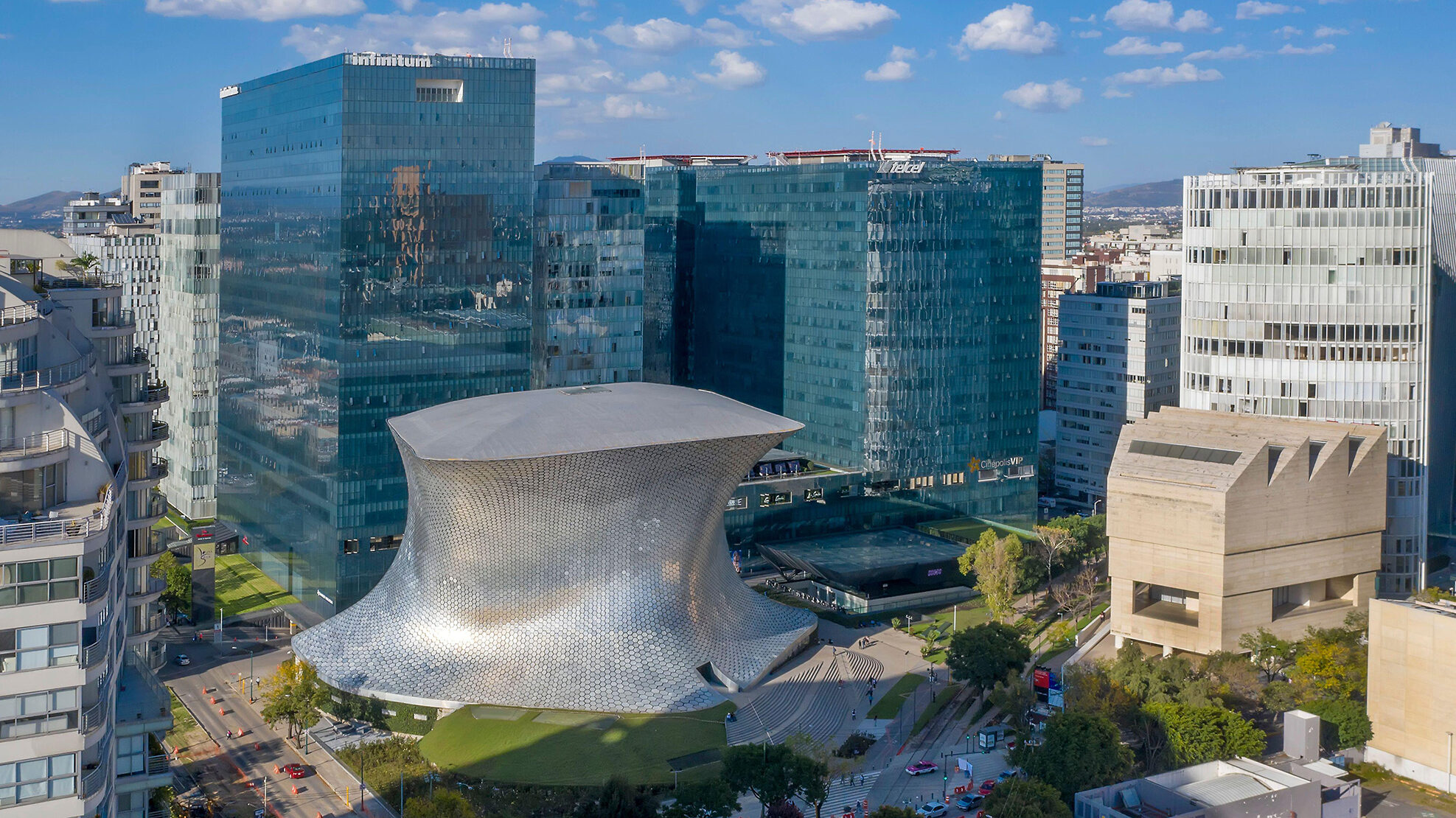
Museo Soumaya and Museo Jumex. They share a plaza at Plaza Carso, a little over half a mile from Polanco. The Soumaya, wrapped in aluminum hexagons, holds the largest Rodin collection outside France. The Jumex, directly across the plaza, is the country’s best contemporary art space, and admission is free. Doing both in one afternoon is the most efficient museum plan in this part of the city.
Mexican muralism: where the originals are
Muralism started here in the 1920s as a government project, a deliberate push to take art out of salons and put it on public buildings. The originals are still in place.
Antiguo Colegio de San Ildefonso. The starting point. José Clemente Orozco painted much of his early work across these courtyards, and Diego Rivera made his first Mexican mural here, La Creación. If you only see one muralism building, make it this one.
Secretaría de Educación Pública. Rivera covered two full courtyards with more than two hundred panels between 1923 and 1928. It’s a working government building with free public access, which means you can walk through it nearly alone on a weekday morning.
Palacio Nacional. Rivera’s best-known mural, The History of Mexico, runs up the main staircase. Check access conditions before you go: they’ve changed several times in recent years, and photo ID is usually required.
Palacio de Bellas Artes. The only place where you can see Rivera, Orozco, Siqueiros, and Tamayo in a single hall. This is home to Man, Controller of the Universe, the version Rivera repainted in Mexico after the original was destroyed at Rockefeller Center in New York.
Polyforum Cultural Siqueiros. The March of Humanity, by David Alfaro Siqueiros, covers the building inside and out with more than forty thousand square feet of painting and sculpture. It’s in Nápoles, well off the usual circuit, which is exactly why there’s almost never a line.
Contemporary street art
Colonia Doctores. The Museo del Juguete Antiguo México turned its facade and side walls into a canvas for Mexican and international street artists. For several blocks around the museum, the neighborhood works as an open-air gallery.
Roma and Juárez. Street art here is more graphic than monumental: shop shutters, party walls, small-format pieces that appear and disappear. Colima, Orizaba, and Córdoba have the highest concentration. This is the area to walk without a fixed route and just find things.
Centro Histórico. The Regina corridor and the streets running off it mix commissioned work with spontaneous pieces. Unlike the 1920s murals, this layer turns over every few months.
If this kind of wandering appeals to you, our guide to unconventional things to do around the city has more routes that skip the tourist circuit entirely.
Contemporary galleries
In Roma. Galería OMR, housed in an exposed-concrete building on Córdoba, is the benchmark for Mexican contemporary art and works with artists in international circulation. A dozen independent spaces operate on the surrounding streets, though hours can be erratic, so check current programming before you head over.
In San Rafael. Galería Hilario Galguera occupies a restored mansion and has mounted shows by artists including Damien Hirst. It’s ten minutes from Centro and almost never turns up on tourist lists.
In Polanco. The neighborhood runs its own circuit, weighted toward collectors: spaces like Galería López Quiroga and Galería Óscar Román have represented modern and contemporary Mexican artists for decades. Our neighborhood guide marks the ones within walking distance.
Barrio Alameda. A former textile factory facing the Alameda Central, converted into a building of galleries, design shops, and photography spaces. It works well as a late-afternoon stop once you’ve finished with Centro.
Neighborhoods where art spills into the street
Roma and Condesa are the clearest example of art folded into daily life: independent galleries next to coffee shops, pop-up shows, bookstores selling work off the wall. If you’re still deciding where to base yourself, we compare them against the rest in our guide to the best areas to stay in Mexico City.
San Ángel offers the opposite: cobblestone streets, colonial architecture, and a slower pace. Every Saturday the Bazar Sábado takes over Plaza San Jacinto, where local artisans and workshops sell directly, with no middlemen. A few blocks away is the Museo Casa Estudio Diego Rivera y Frida Kahlo, the functionalist house Juan O’Gorman designed for the couple.
A three-day route
Day 1, Centro. San Ildefonso first thing, the SEP courtyards mid-morning, lunch downtown, and Bellas Artes in the afternoon. All on foot.
Day 2, Chapultepec and Polanco. Anthropology at opening, Tamayo before lunch, then Soumaya and Jumex in the afternoon. This is the easiest day if you’re staying in Polanco, since everything is either walkable or a short ride.
Day 3, south. Casa Azul with a reserved ticket, lunch in Coyoacán, San Ángel in the afternoon. If it’s a Saturday, leave room for the bazaar.
Where to stay for an art-focused trip
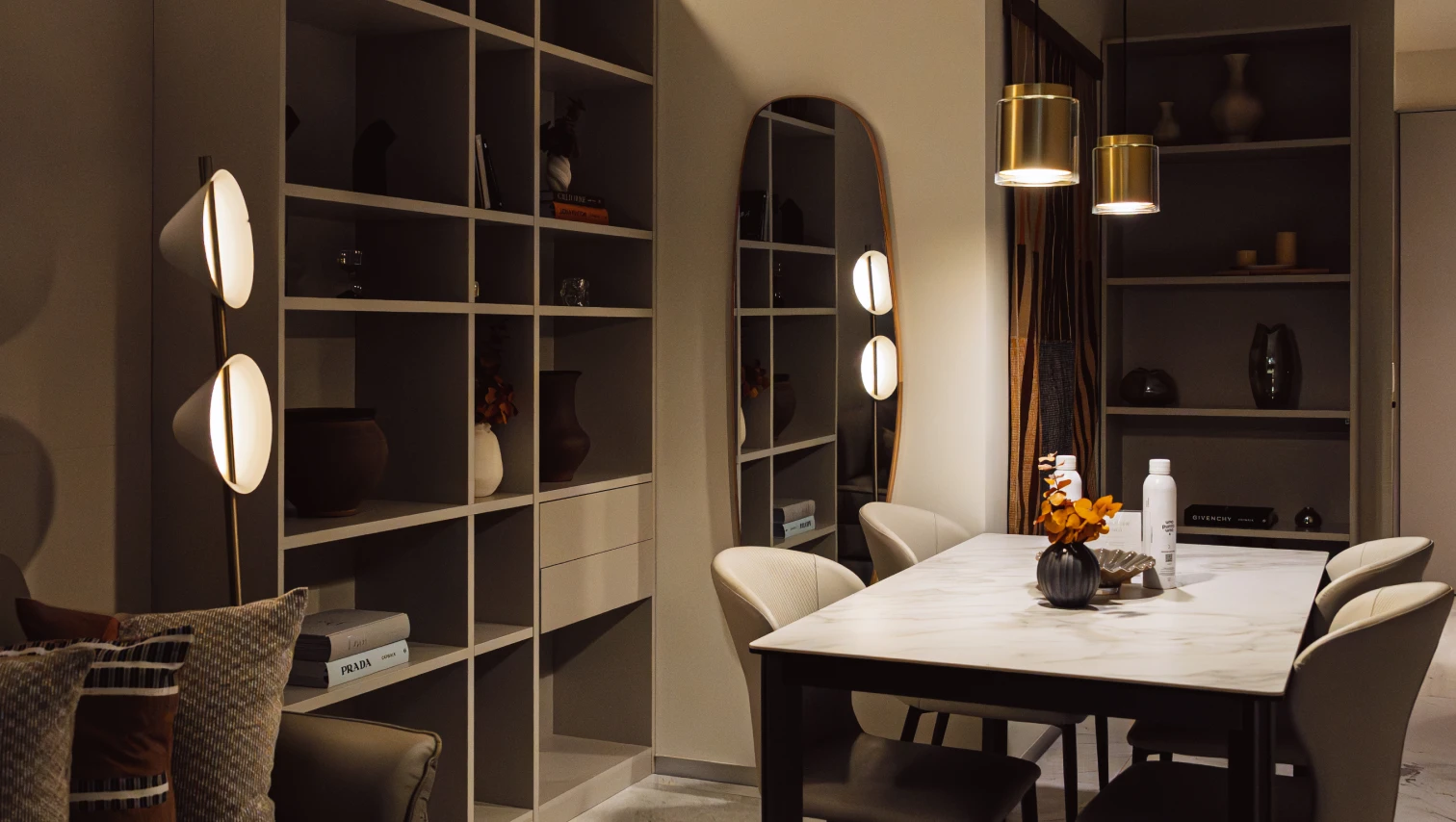
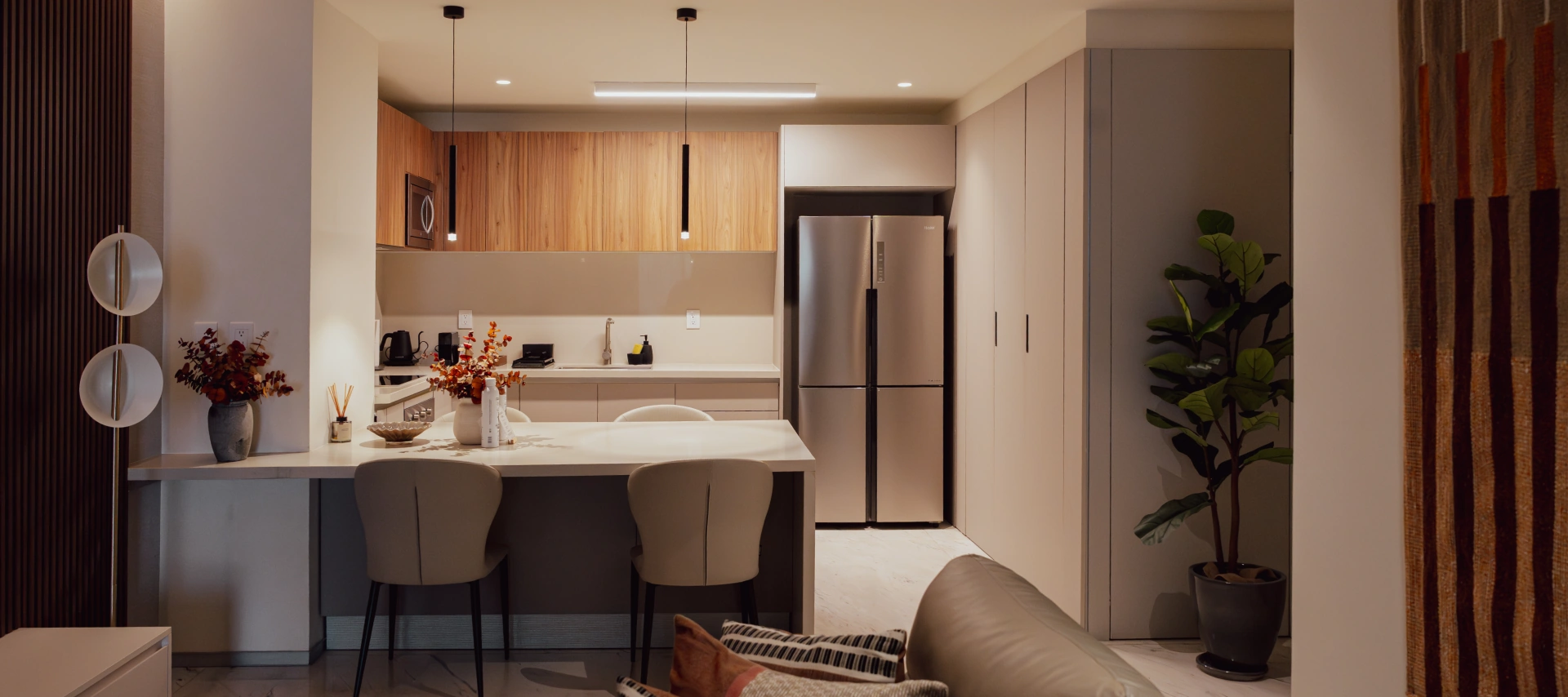
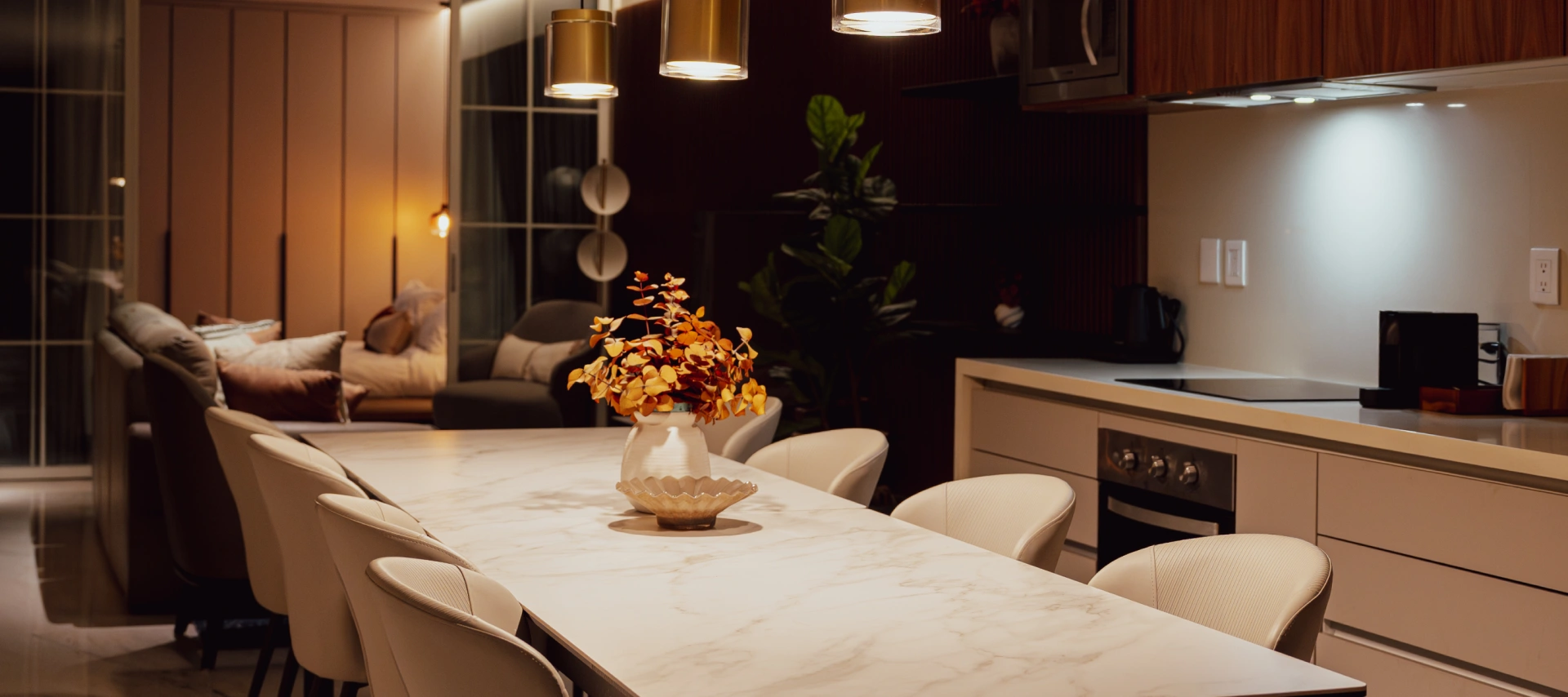
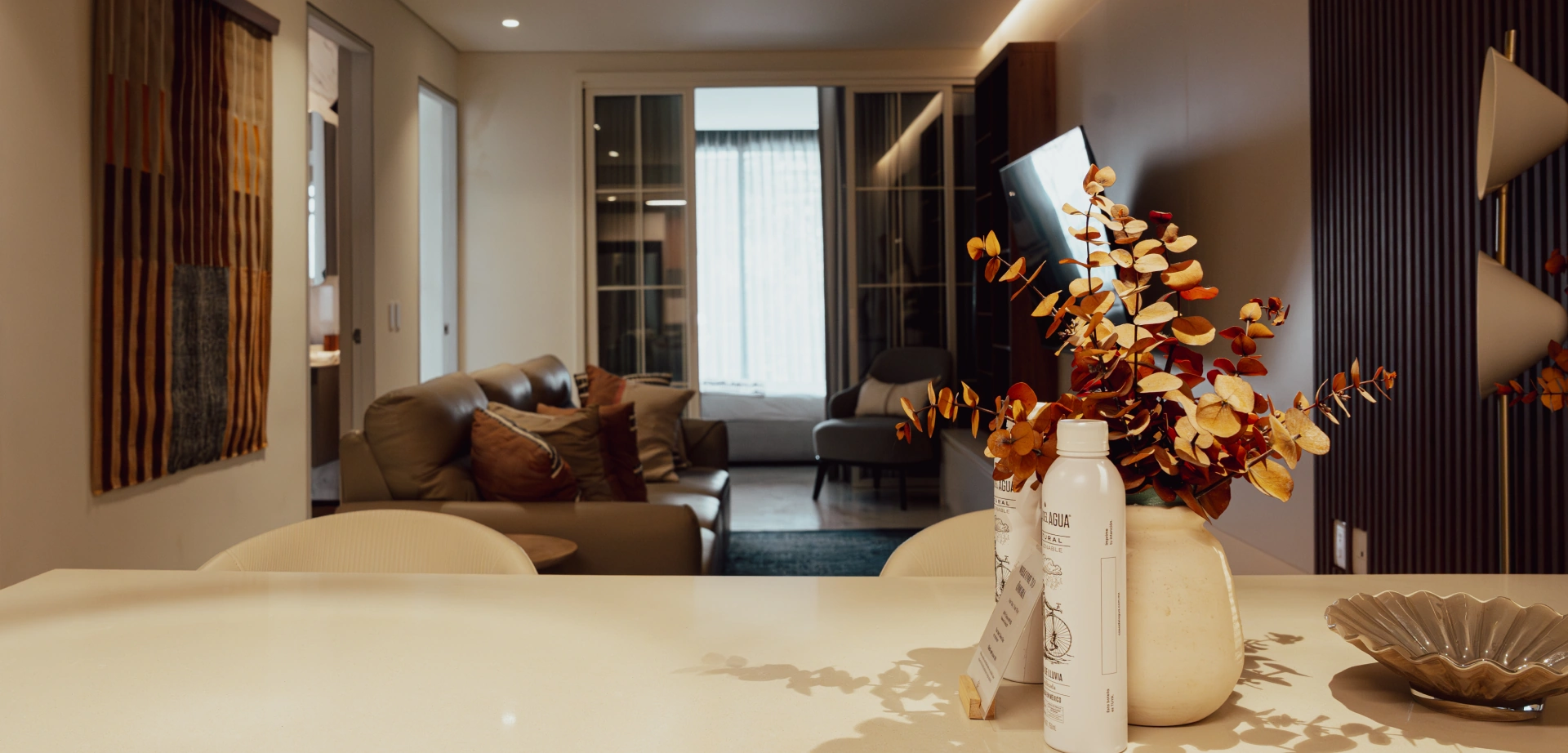
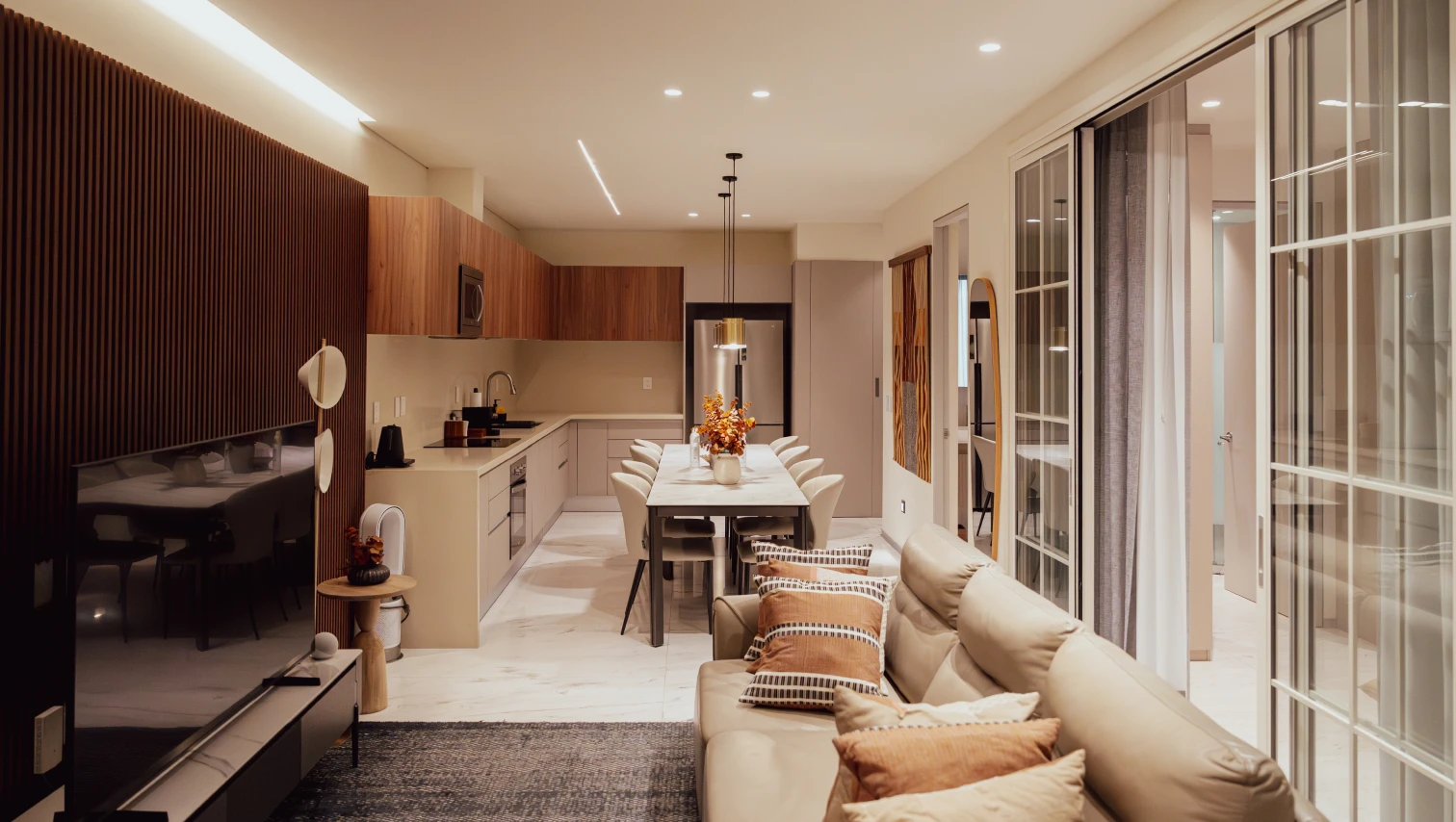
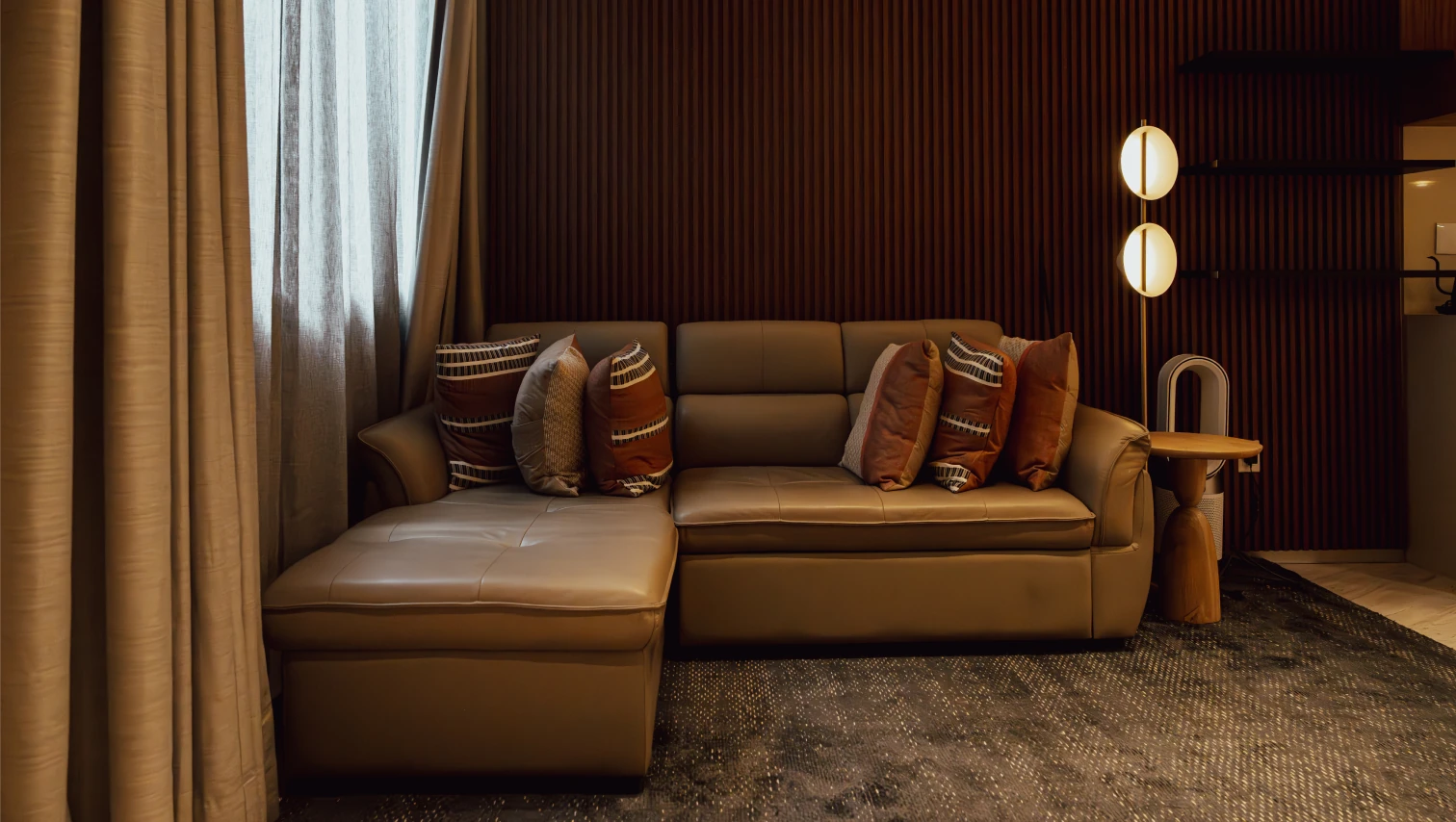
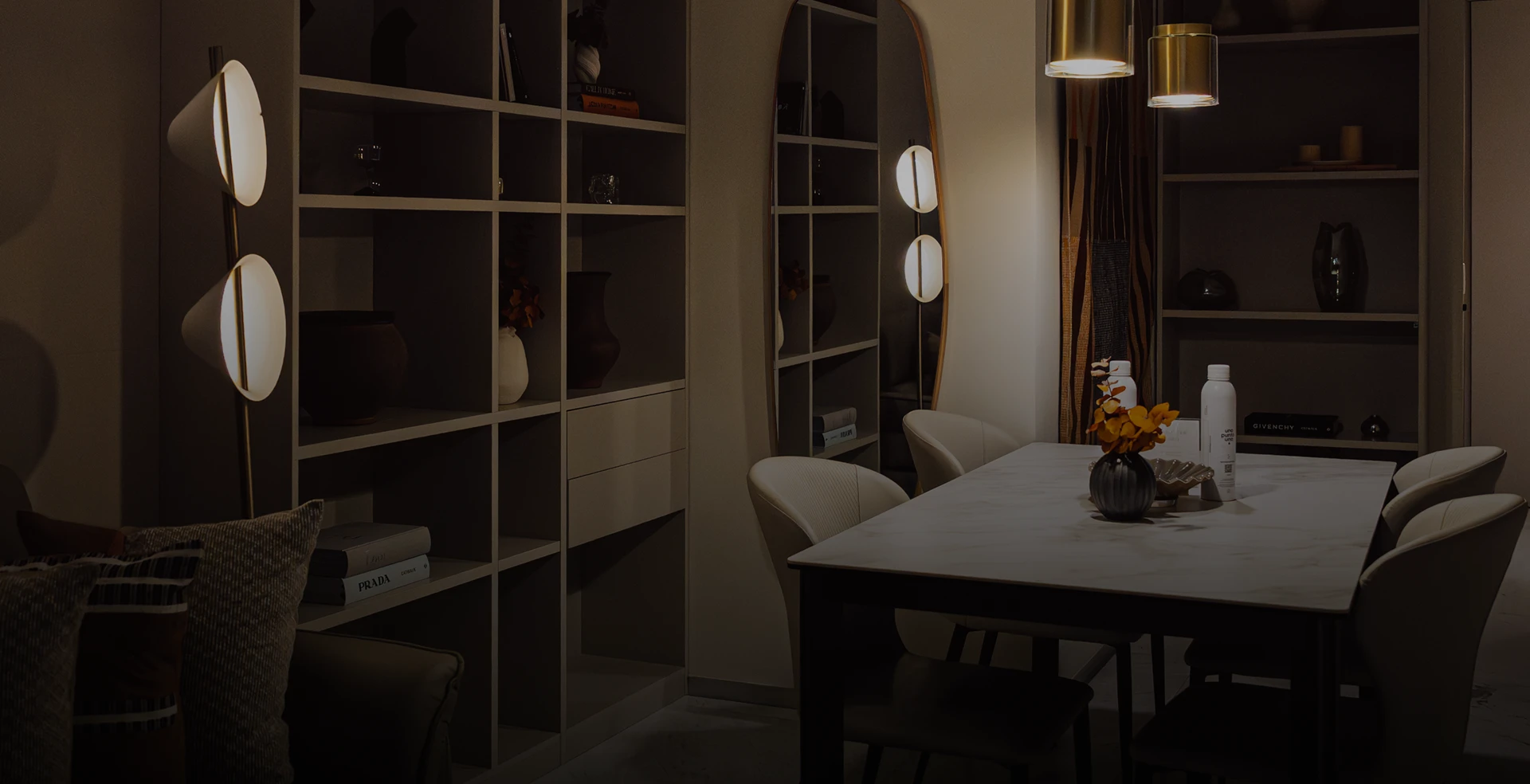
Polanco works well for this itinerary for a practical reason: two of the three days start within fifteen minutes of it, and the third is a straight shot down Insurgentes. Our furnished apartments in Polanco sit 350 meters from Masaryk, with a full kitchen and in-unit laundry, which matters more than you’d think after a day spent walking between museums.
For families or groups covering the city together, the Three Bedroom Master Suite gives you three separate bedrooms and two bathrooms. Traveling solo or as a couple, the One Bedroom Rooftop Retreat has 100 square meters and a private terrace for ending the day without going back out.
At Ömora, we love curating experiences that inspire. Whether you’re here for the art, the food, or simply the city’s energy, we want your stay to be as memorable as Mexico City itself.