The niche museum circuit that most visitors skip
Mexico City has more museums per square kilometer than almost any other capital on earth. The problem is that most visitors pool around the same ten names. The following institutions sit quietly outside that circuit and reward the curious.
Museo del Juguete Antiguo México
MUJAM is four floors of pure archival chaos. Over a million vintage toys occupy every inch of wall and ceiling space, from tin robots and antique dolls to regional folk toys that have no equivalent anywhere else. The building itself has become a canvas for some of the city’s best street artists, so the experience starts on the sidewalk before you even walk in. It sits in Doctores, a neighborhood that feels completely removed from the Roma-Condesa bubble.
Museo de la Medicina Mexicana
Housed inside the former Palace of the Inquisition, this museum is genuinely one of the most disorienting rooms in the city. The anatomy gallery contains wax models of medical conditions and an embryology room displaying human embryos preserved across developmental stages. It is educational, strange, and completely free. The colonial architecture of the building adds a layer of unease that feels entirely appropriate.
MUCHO, museum of chocolate
The history of cacao in Mexico is older and more complex than most people realize, and MUCHO tells it without condescension. The highlight is a room where every surface is covered in chocolate: walls, floor, ceiling. It smells exactly the way you hope it will. Located in the Centro Historico, it pairs well with a long afternoon in the surrounding streets.
Museo del Objeto del Objeto
MODO makes the case that everyday objects are as worthy of analysis as fine art. Its rotating collections use consumer products, packaging, and domestic items to map Mexican cultural identity across decades. It is the kind of museum where you spend forty minutes on a single vitrine without meaning to.
Museo de las Mil Muñecas
A baby-pink mansion in Portales holds over a thousand dolls from every era and corner of the country. Some are delicate Mexican miniatures. Others are antique varieties with the specific uncanniness that old dolls tend to accumulate over time. It is not well publicized and often has almost no visitors, which adds considerably to the atmosphere.
Experiences that do not appear on standard itineraries
Isla de las Muñecas at dawn
The Island of the Dolls in Xochimilco is well documented, but most people visit mid-morning with tour groups. The real experience happens at sunrise, arriving by kayak through the chinampas while it is still dark. The dolls that have been nailed to the trees over decades look entirely different in early light, and the canals have a stillness at that hour that the midday crowds destroy completely.
This connects to a broader point about Xochimilco: the area has a sustainable travel dimension that most visitors miss entirely. The chinampas are a pre-Hispanic agricultural system that still functions, and several local guides now offer experiences focused on the ecology of the canals rather than just the trajineras. Omora has put together a local guide to CDMX that includes this kind of neighborhood-level context.
Mercado Sonora on a weekday
The city’s largest esoteric market deserves a full morning. Stalls sell everything from medicinal herbs and live animals to incense, luck charms, and items connected to folk religion and curanderismo. It is practical and sincere rather than performative, which is why it works. Go on a weekday when the energy is calmer and vendors have time to explain what you are looking at.
El Vilsito after midnight
By day, El Vilsito in Narvarte operates as an ordinary auto repair shop. By night, the garage transforms into one of the most celebrated taco stands in the city. Mechanics’ tools share space with the trompo, and you eat standing up between the cars. The combination of context and quality makes it genuinely memorable in a way that restaurants with the same food never quite replicate.
The Cablebus Line 3
For seven pesos, Line 3 of the city’s cable car system gives you an aerial view of hillside neighborhoods that most visitors never enter. The rooftops below are painted with murals that are only visible from above. It is one of the few ways to understand the topographic complexity of CDMX without a car, and it connects communities in the east of the city that feel like a completely different urban universe from Polanco or Roma.
A temazcal with a practicing curandero
The temazcal is a pre-Hispanic sweat lodge ceremony that has survived relatively intact in certain communities around the city and its outskirts. A session guided by a practicing shaman involves steam, medicinal herbs, chanting, and a level of physical and psychological intensity that is hard to prepare for. It is not a spa treatment repackaged for tourism. Find one through personal recommendation or a cultural organization rather than a hotel concierge.
If you want to understand the cultural and ecological dimension of experiences like this, Omora’s writing on sustainable travel in Mexico City offers a thoughtful starting point.
Hidden architecture and urban spaces worth finding
Biblioteca Vasconcelos
The megalibrary in Buenavista is one of the most photographed buildings in Mexico City for good reason, yet it still does not appear on most tourist itineraries. Hanging bookshelves cascade through a vast geometric void, and a whale skeleton by artist Gabriel Orozco is suspended in the center of the nave. It is a working public library, which means you can simply sit down and stay for hours surrounded by one of the most extraordinary interiors in the country.
Ex-Teresa Arte Actual
This former convent in the Centro is literally sinking into the lacustrine subsoil beneath the city, and the effect inside is genuinely disorienting. The floors slope at angles that the eye does not immediately register as wrong. It now operates as a contemporary art space, and the combination of installation art with visibly compromised colonial architecture creates an experience that neither element could produce alone.
Anahuacalli Museum
Diego Rivera designed this museum out of black volcanic tezontle stone, and it sits in Coyoacan like something that predates everything around it by several civilizations. It houses his enormous collection of pre-Hispanic art in rooms that feel more like ceremonial chambers than galleries. The building itself is the argument. It reads completely differently from Rivera’s murals and is almost never as crowded as the Frida Kahlo Museum a few streets away. If you are interested in the broader art geography of the city, Omora’s overview of Mexico City’s art scene connects some of these dots.
Kiosco Morisco in Santa Maria la Ribera
This Moorish-style iron kiosk in the middle of the Alameda de Santa Maria la Ribera is one of the most beautiful objects in the city and is routinely ignored because the neighborhood sits outside the usual tourist corridors. Built for the 1884 New Orleans World Exposition and eventually relocated to its current spot, it is surrounded by families on weekend afternoons and essentially empty during the week. The neighborhood itself, with its nineteenth-century mansions in various stages of preservation, is worth several hours of slow walking.
Parque Hundido
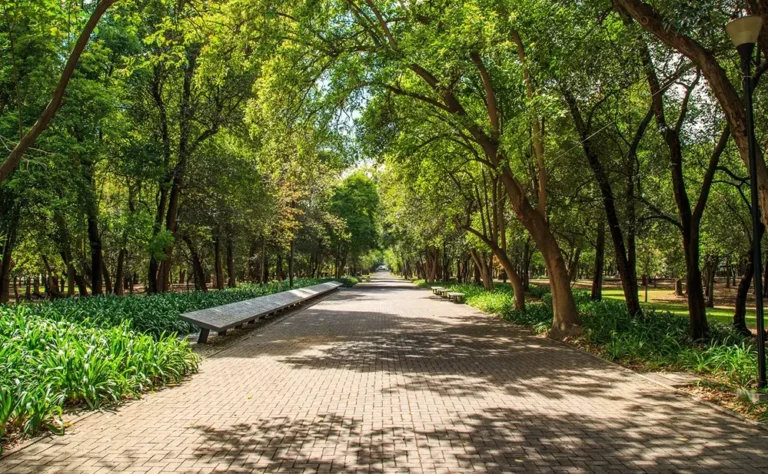
Officially named Luis G. Urbina Park, Parque Hundido sits below street level on Insurgentes Sur and contains archaeological reproduction routes with large-scale replicas of Olmec, Mayan, and other Mesoamerican sculptures placed among mature trees. It is where serious runners train in the early morning, where families come on Sunday afternoons, and where the reproductions of pre-Hispanic art sit at a scale you can actually walk around. The disconnect between the urban surroundings and the stone figures creates something that feels very specifically Mexican.
Why where you stay changes what you find
The gap between most travel content about CDMX and what the city actually offers to curious visitors is not about a shortage of unusual places. It is about how you are positioned in the city. Staying in a residential apartment rather than a tourist zone changes the pace of exploration. You shop at the same markets, walk the same streets, and notice different things.
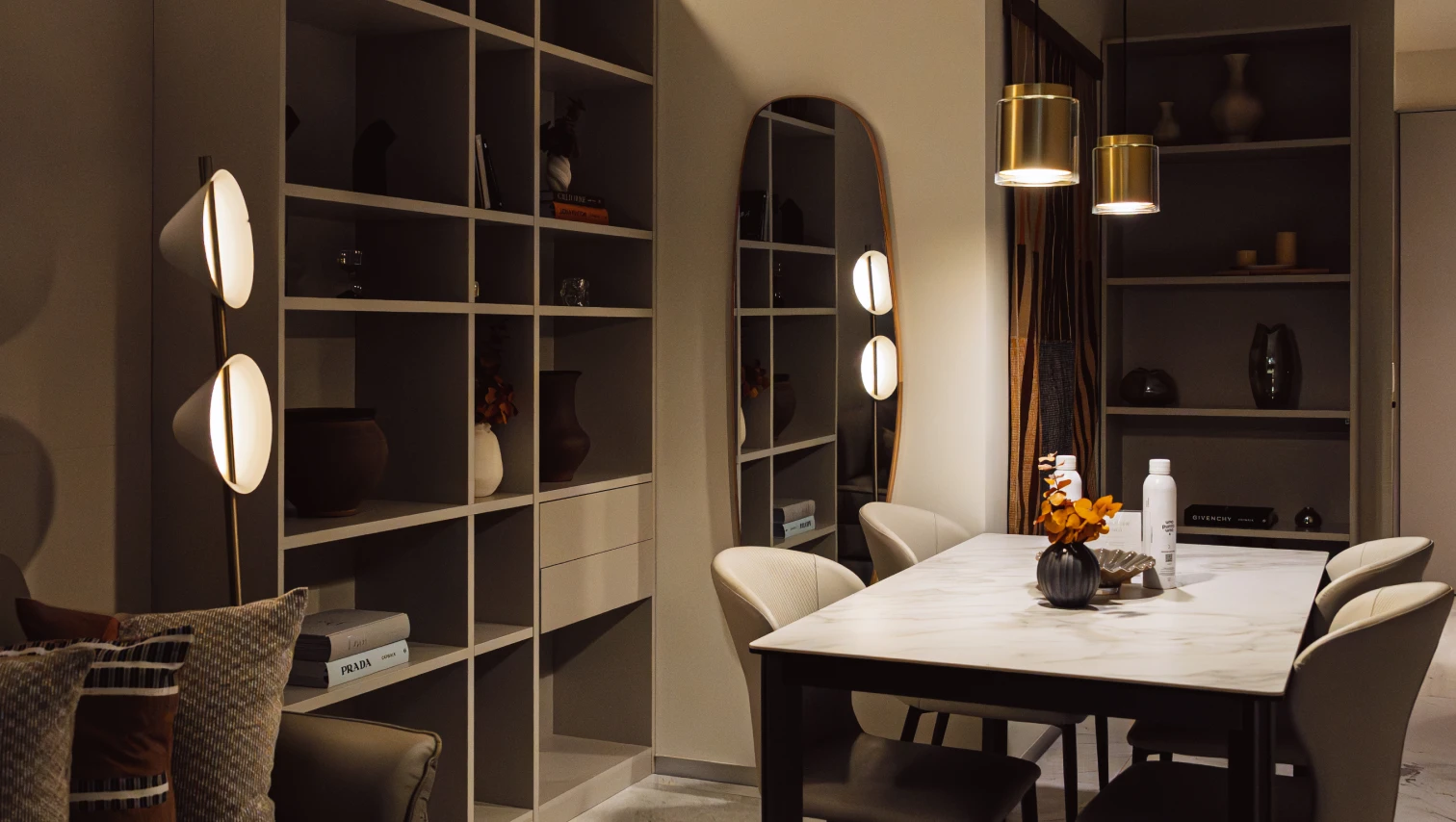
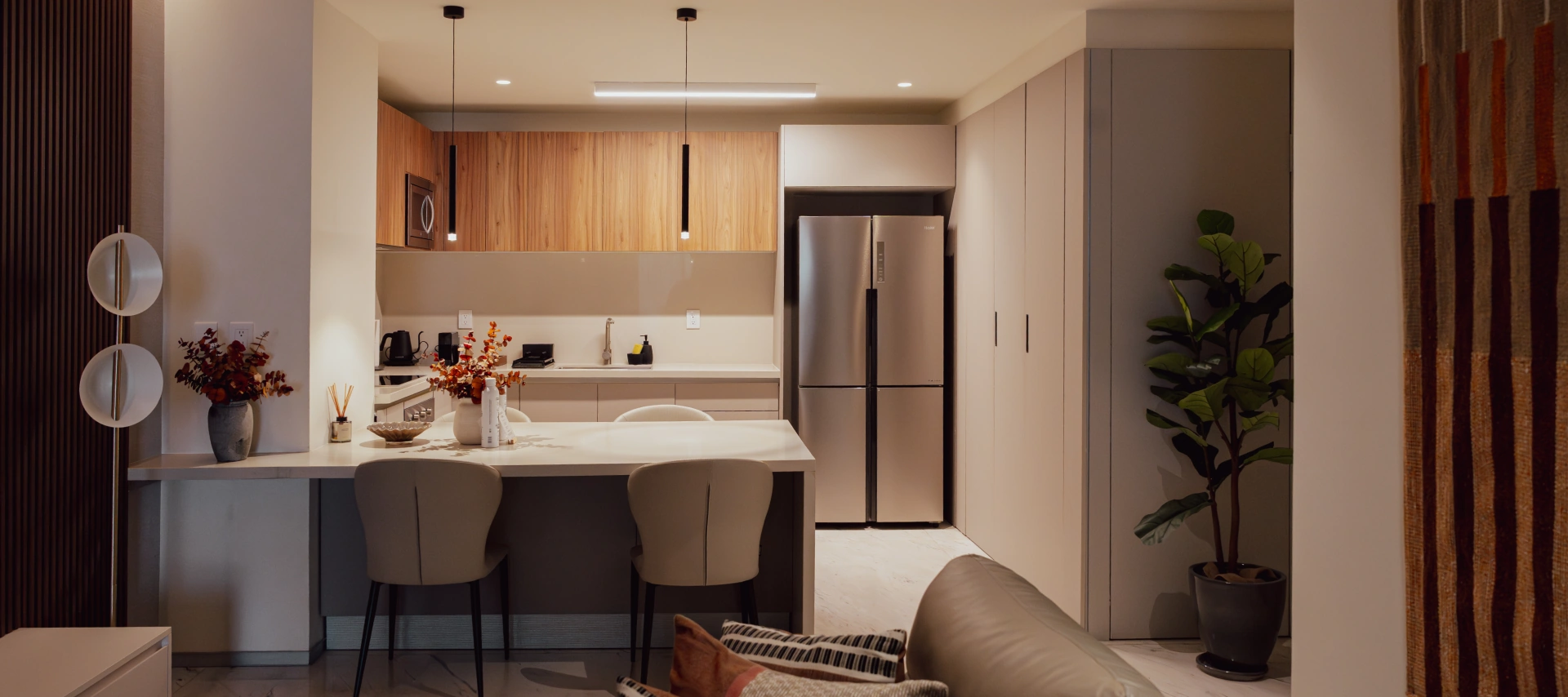
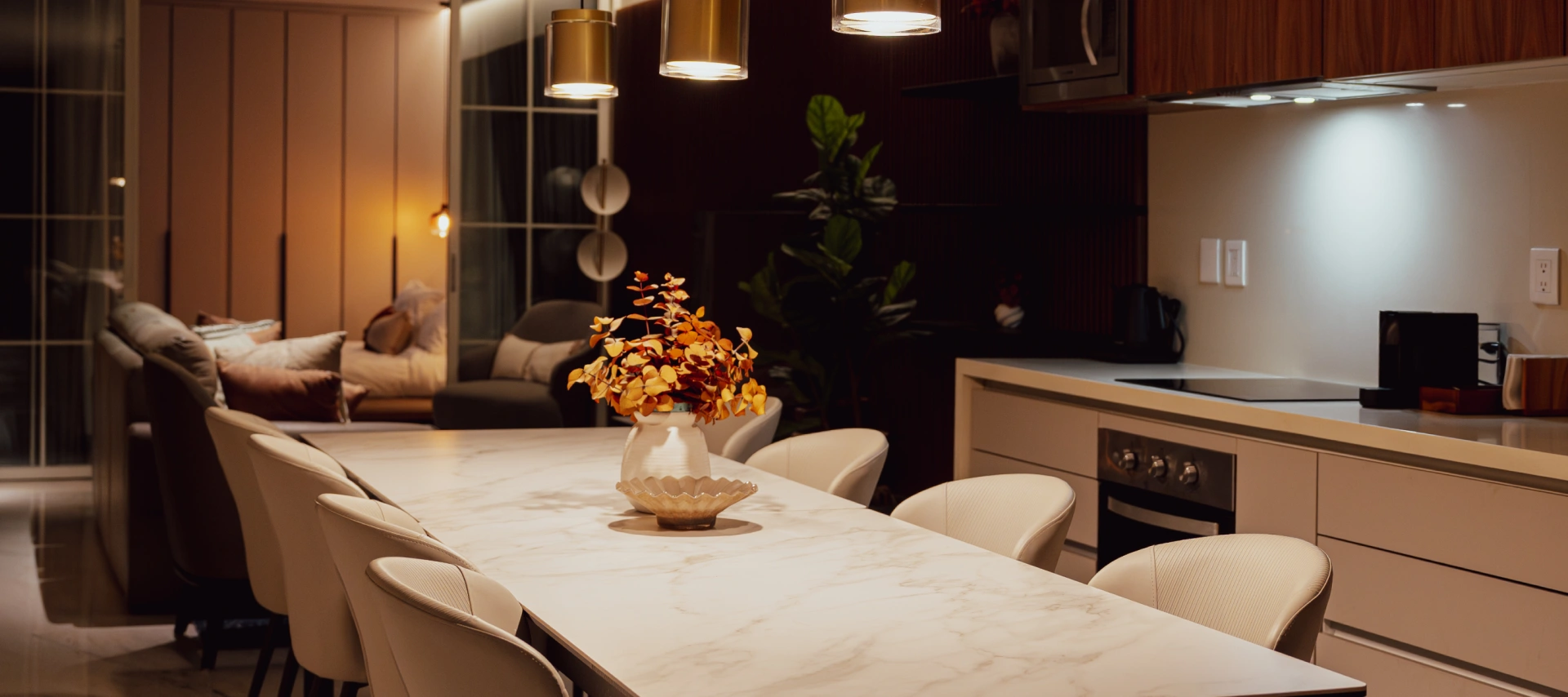
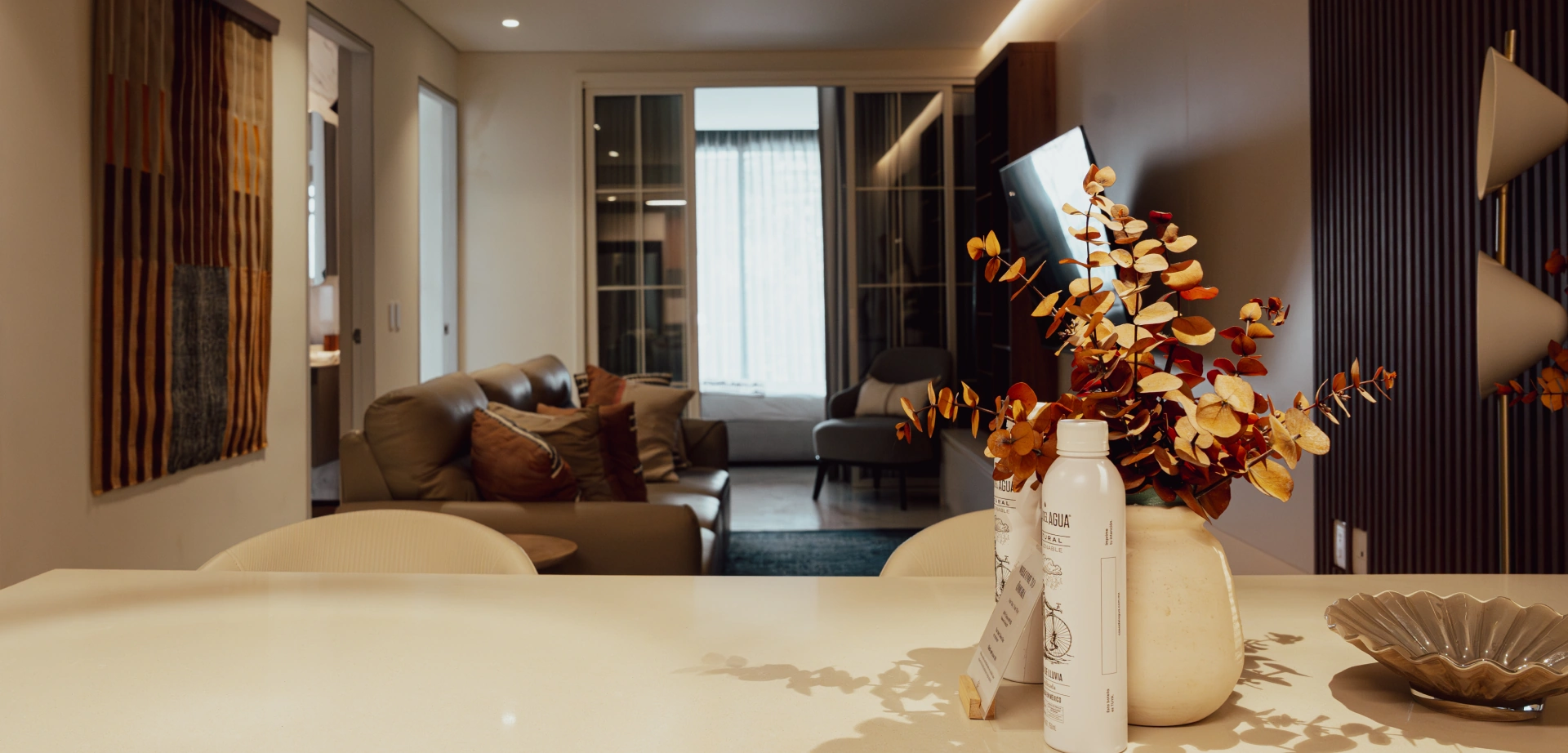
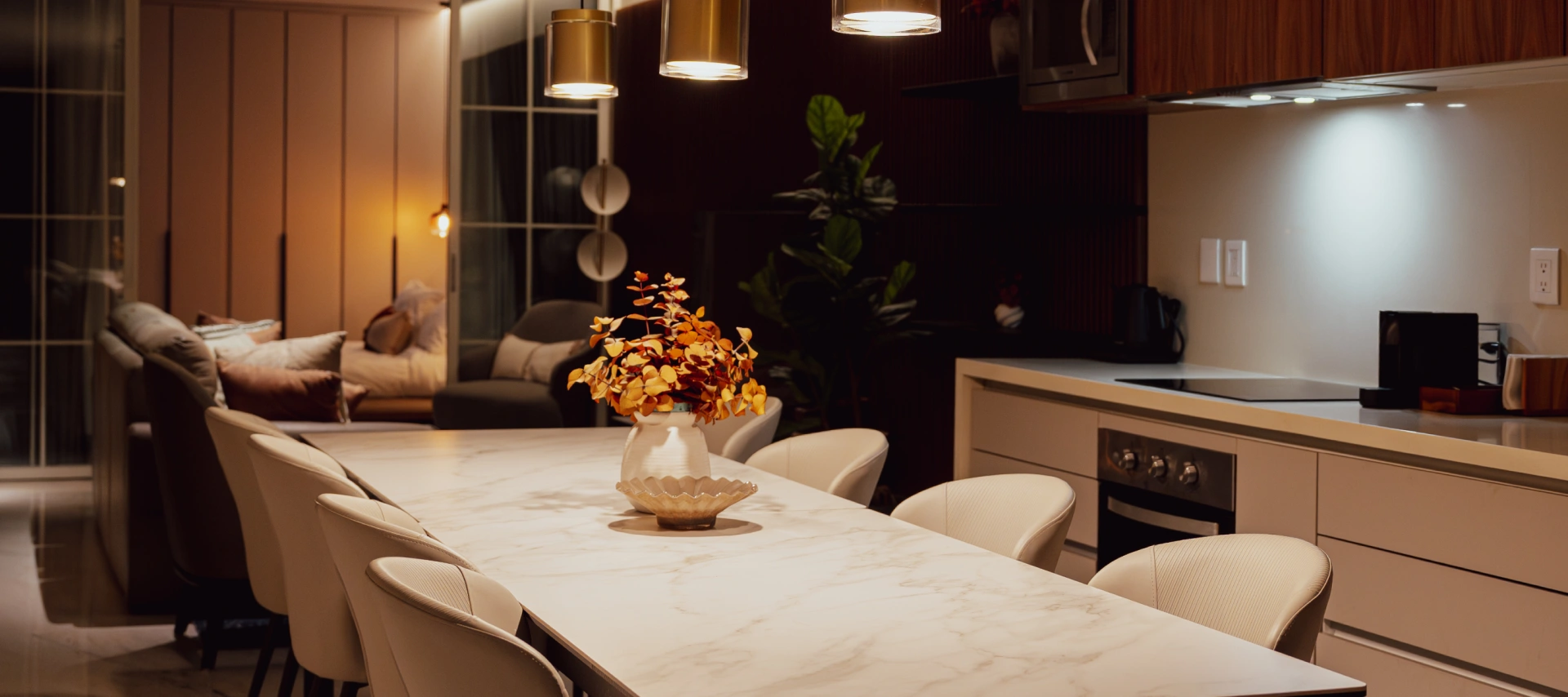
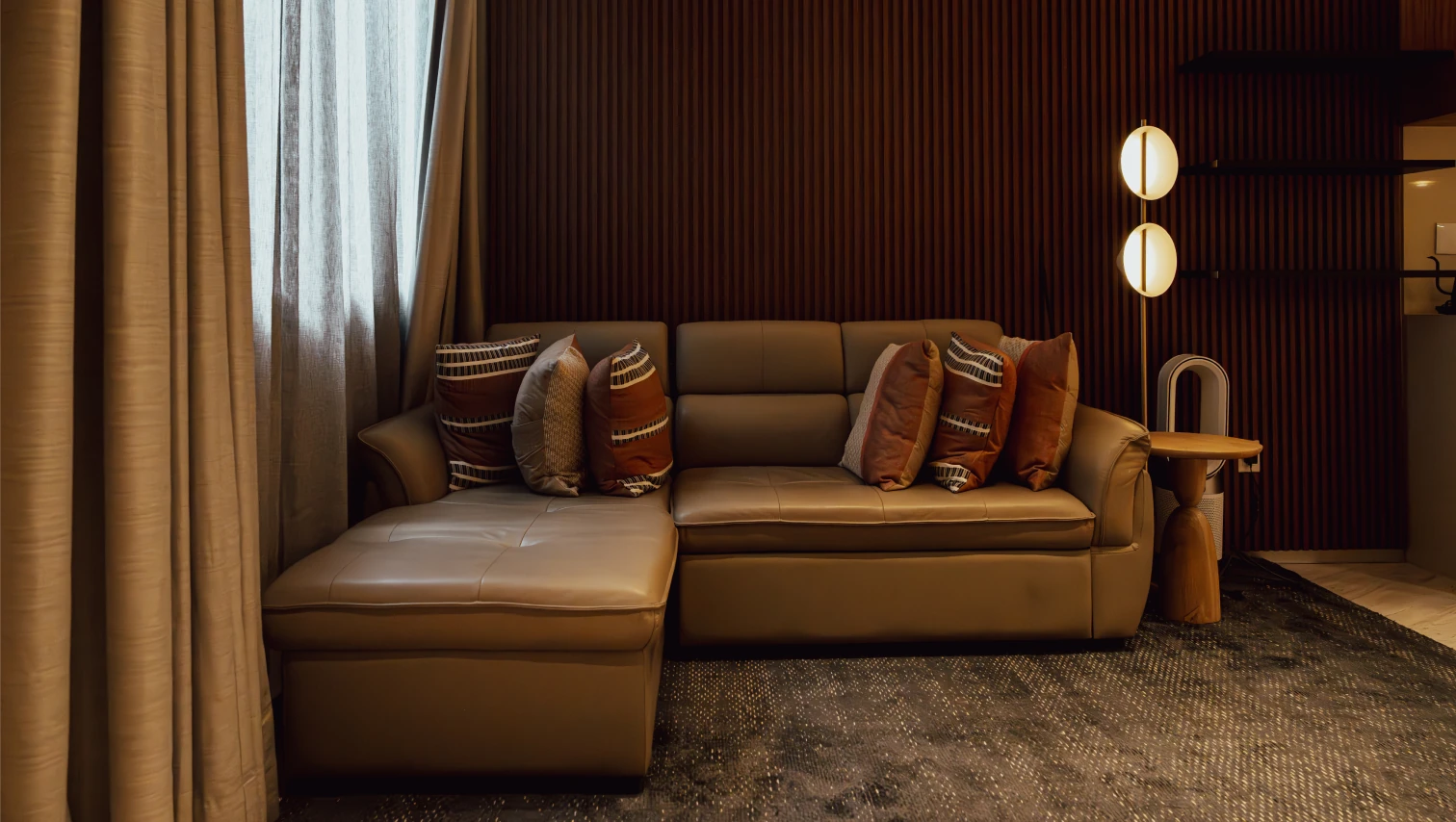
Omora’s collection ofapartments in Polanco ranges from one-bedroom sanctuaries to larger suites, including the three-bedroom master suite for groups or extended stays. Polanco is a useful anchor for this kind of itinerary: walkable to Chapultepec, close to the best art galleries, and connected by metro and Metrobus to neighborhoods that most visitors never reach.
The article on why an apartment in Polanco makes more sense than a hotel makes the case more specifically, but the short version is that a kitchen, a living room, and a neighborhood identity change the quality of a stay in a city this large. You can also read more about what Polanco looks like across seasons in the piece on staying in Polanco in spring.
The version of Mexico City is worth staying for
The unusual version of CDMX is not hidden exactly. It is just a patient. It waits in the neighborhoods where the Airbnb density drops, in the museums that don’t have gift shops, in the food that is cooked in a garage rather than a dining room designed to look like a garage.
This city rewards slow and repeated visits more than almost any other in Latin America. Once you have stood inside Biblioteca Vasconcelos at nine in the morning before the school groups arrive, or eaten at El Vilsito at one in the morning while a mechanic works three feet away, the standard itinerary starts to feel like it describes a different city entirely.
That is the point. CDMX is large enough to hold several versions of itself simultaneously. The one described in this guide is the version that most visitors leave without finding, and it is, in many ways, the more interesting one.
Ready to explore it properly? Reserve your apartment with Omora and use Polanco as your base for this kind of itinerary.