
Polanco
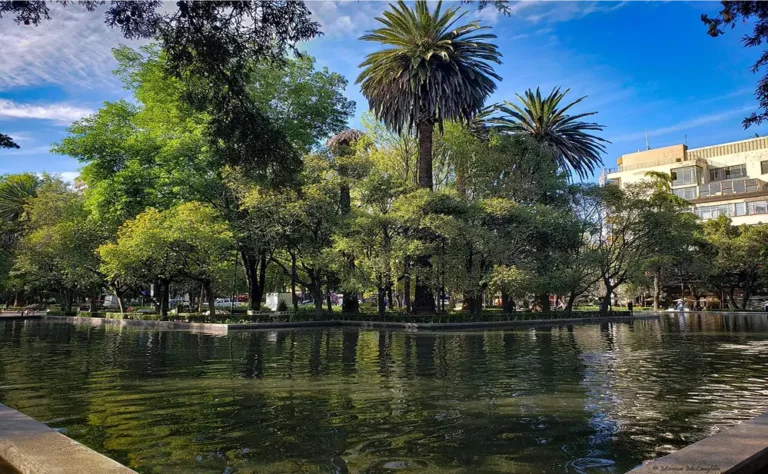
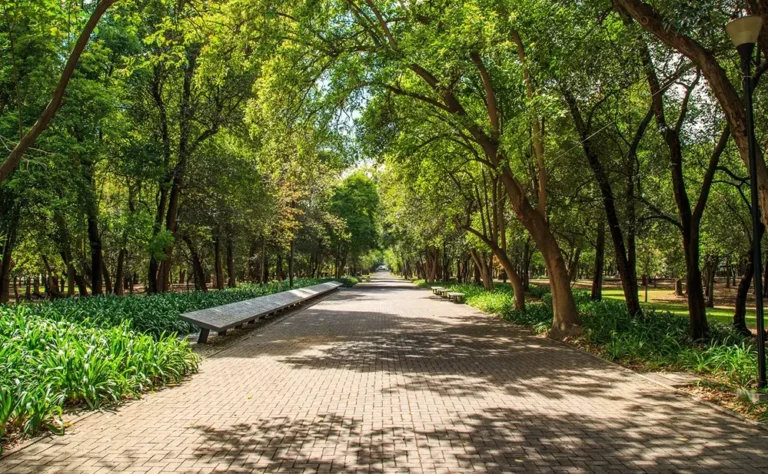
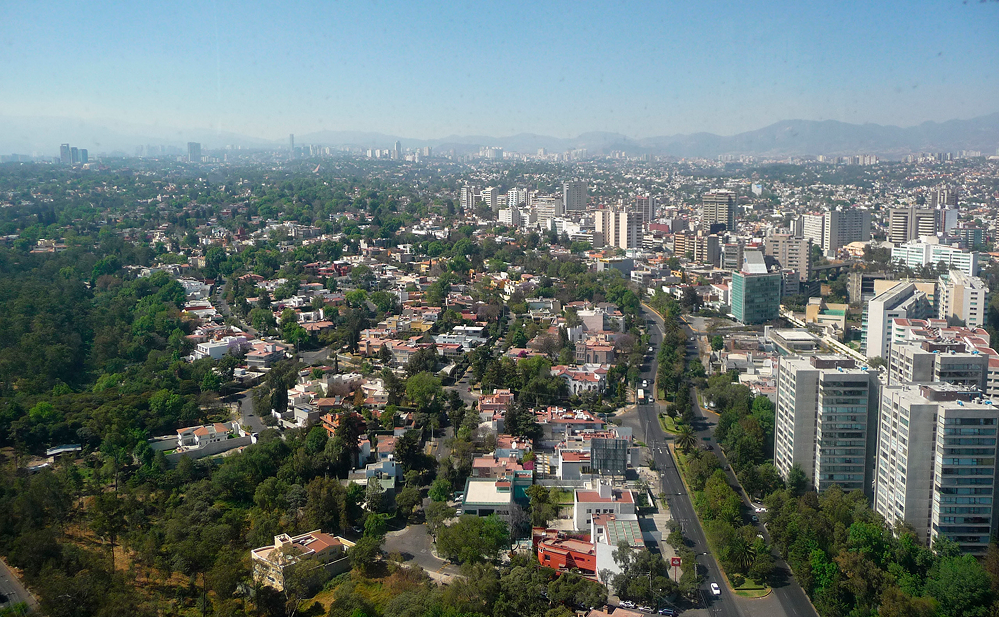
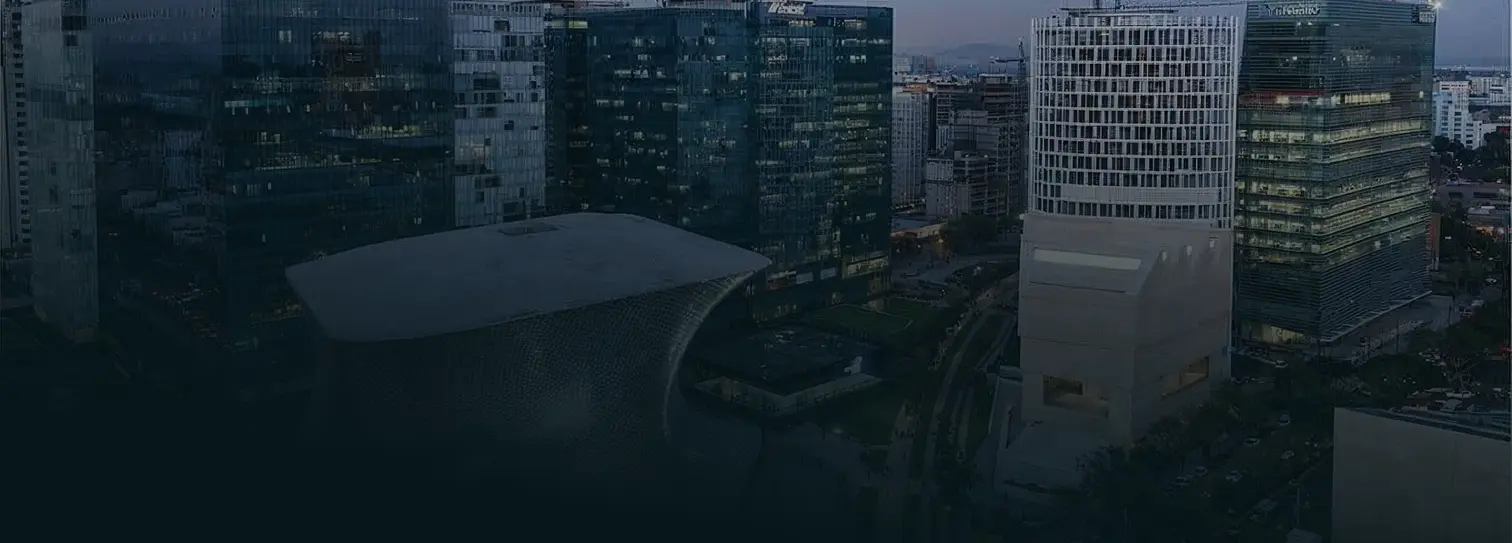
Polanco is consistently ranked as one of the safest and most prestigious neighborhoods in all of Mexico City. It sits just north of Chapultepec Park and is home to an extraordinary concentration of world-class restaurants, international boutiques, and cultural institutions. Avenida Presidente Masaryk, often called the Champs-Elysees of Mexico City, runs through its heart.
If your trip revolves around gastronomy, Polanco is the uncontested choice. Several of Latin America’s most celebrated restaurants are located here, including establishments that appear on the World’s 50 Best list. The neighborhood is also within walking distance of the Museo Nacional de Antropología, one of the most important museums on the continent.
For tourists who want to stay somewhere elevated and connected to the city’s best cultural and culinary offerings, Polanco delivers without compromise. You can read more about what makes this neighborhood so distinctive in A day in Polanco: Mexico City’s not-to-miss neighborhood, or discover what spring in Polanco looks and feels like from the inside.
Staying in a luxury apartment in Polanco also offers something that traditional accommodations cannot: the feeling of actually living in the neighborhood. Why choose a luxury apartment in Polanco instead of a hotel explores this in detail, from privacy and space to the experience of waking up in one of the city’s most beautiful colonias.
Roma Norte
Roma Norte is the neighborhood most often recommended to first-time visitors, and for good reason. It is central, walkable, filled with independent cafes and restaurants, and has the kind of lived-in architectural beauty, 1920s mansions, tiled facades, ornate doorways, that makes every walk feel like a discovery.
The neighborhood has become a global reference point for a certain kind of urban travel: unhurried, food-focused, culturally curious. Its cafe culture is exceptional, its restaurant scene covers every price point, and its proximity to Roma Sur, Condesa, and Juarez means you can walk to multiple neighborhoods in a single afternoon.
Roma Norte is also particularly welcoming to solo travelers and those visiting for the first time. It is safe, easy to navigate, and has enough street life that you never feel isolated. The creative energy here is genuine, you will find independent galleries, murals, design studios, and weekend markets woven into everyday life.
For more on what the city offers beyond the obvious, 10 must-see spots in Mexico City is a useful companion to any stay in this part of the city.
Condesa
Condesa shares a border with Roma Norte and is often mentioned alongside it, but the two neighborhoods have distinctly different personalities. Condesa is calmer, greener, and more residential. Its defining feature is the network of tree-lined boulevards and parks, particularly Parque México and Parque España, that give it a slow, almost European pace.
The architecture is predominantly Art Deco, and the streets are wide enough that walking feels genuinely pleasant rather than something to endure between destinations. Condesa has its own strong dining scene, with an emphasis on brunch spots, wine bars, and mid-range to upscale restaurants that draw locals as much as tourists.
If your ideal day involves a long morning walk, a slow breakfast, a visit to a gallery or bookstore, and dinner somewhere that does not require a reservation three weeks in advance, Condesa is likely your neighborhood.
Historic Center (Centro Historico)
The Historic Center is where Mexico City began, and it remains one of the most visually overwhelming places in the entire country. The Zocalo, one of the largest public squares in the world, anchors a dense grid of colonial churches, pre-Hispanic ruins, museums, and street markets that can keep a curious traveler occupied for days.
Staying in Centro puts you within walking distance of the Palacio de Bellas Artes, the Templo Mayor, the Palacio Nacional, and dozens of smaller sites that rarely appear in travel guides but are just as compelling. It is also the most affordable part of the central city for accommodation.
The trade-off is atmosphere after dark. Centro empties out in the evenings as vendors and office workers leave, making it quieter and less vibrant at night than Roma, Condesa, or Polanco. It is better suited to travelers who want to spend their days immersed in history and their evenings back at their accommodation than to those seeking a lively nightlife scene.
Juarez and Zona Rosa
Colonia Juarez sits between Roma Norte and Centro, and it is one of the most underrated neighborhoods in the city for tourists. It has been gentrifying steadily over the past decade and now hosts an impressive number of independent restaurants, wine bars, and concept stores alongside its older residential character.
Zona Rosa, which overlaps with Juarez, is the historic center of LGBTQ+ life in Mexico City. It has a dense nightlife scene, a high concentration of international restaurants, and excellent metro access. The neighborhood is louder and more commercially oriented than Roma or Condesa, but that energy appeals to a specific type of traveler.
Coyoacan
Coyoacan sits in the south of the city and operates at a completely different pace from the neighborhoods above. It was once a separate village, and it still feels that way, cobblestone streets, a central plaza anchored by a colonial church, weekend markets, and a bohemian atmosphere that has drawn artists and intellectuals for generations.
The Museo Frida Kahlo (the Blue House) is here, as is the Museo Leon Trotsky. Coyoacan is a place you visit for a day and often wish you had stayed in. For travelers who want a quieter, more residential experience of Mexico City, it is a compelling base, though you will depend more on taxis or rideshares to reach the rest of the city’s highlights.
Neighborhoods to approach with caution
Not every part of Mexico City is equally safe or well-suited to tourists. The areas north of Centro, particularly Tepito and Doctores, have significantly higher crime rates and are not recommended for visitors. Xochimilco, famous for its canals, is a popular day trip but not a practical base for a full stay.
The key principle for tourists is simple: stay within the central corridor between Centro and Polanco, or further south in Coyoacan. These areas have been consistently safe for international visitors and offer the city’s best combination of infrastructure, dining, and cultural access.
How to choose the right neighborhood in Mexico City?
Mexico City does not have a single “tourist district.” Its best neighborhoods are spread across a central corridor that runs from the Historic Center westward through Roma, Condesa, and Polanco. Most first-time visitors do best when they stay within this corridor, where safety, walkability, dining, and cultural density are all highest.
Before picking a neighborhood, ask yourself three things: How important is walkability to you? Are you traveling for food, art, nightlife, or history? And what is your accommodation budget? The answers will narrow your options significantly.
What do most guides get wrong about choosing a neighborhood?
Most “where to stay in Mexico City” articles treat the neighborhoods as interchangeable options that simply need to be ranked. The reality is more nuanced. Roma Norte and Condesa are often lumped together, but they attract very different types of travelers. Polanco is frequently described only through its luxury credentials, without acknowledging the genuine cultural depth of the neighborhood.
The gap in most existing guides is the lack of honest travel-style matching. A luxury traveler who wants the city’s best restaurants and a residential apartment experience should be in Polanco, not Roma. A first-timer who wants to be in the middle of everything and walk everywhere will be happiest in Roma Norte. These distinctions matter.
If you want a fuller picture of what the city has to offer beyond its most famous neighborhoods, exploring Mexico City’s art scene and a foodie’s guide to Mexico City are two resources worth reading before you book.
Staying in Polanco with Ömora
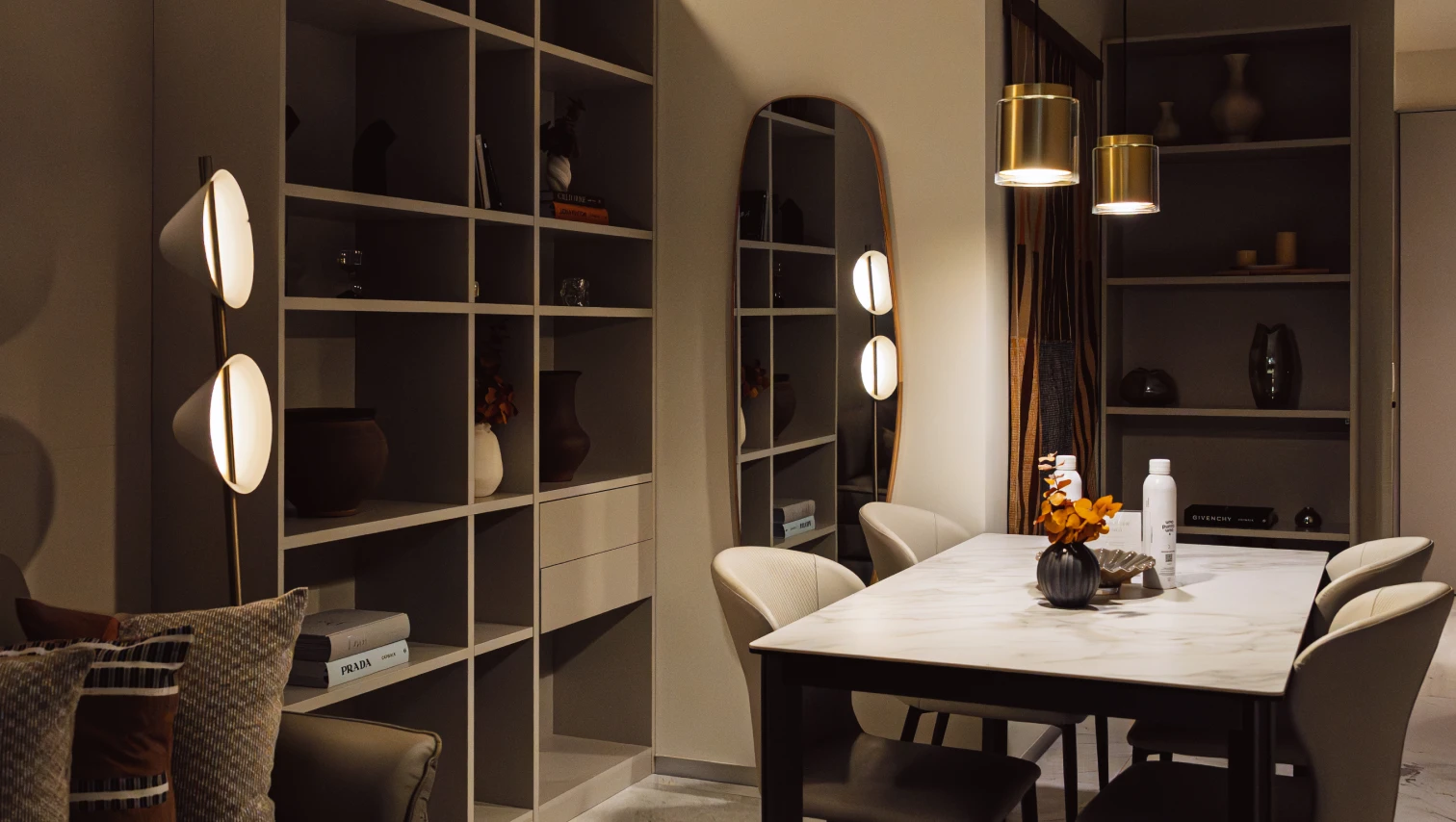
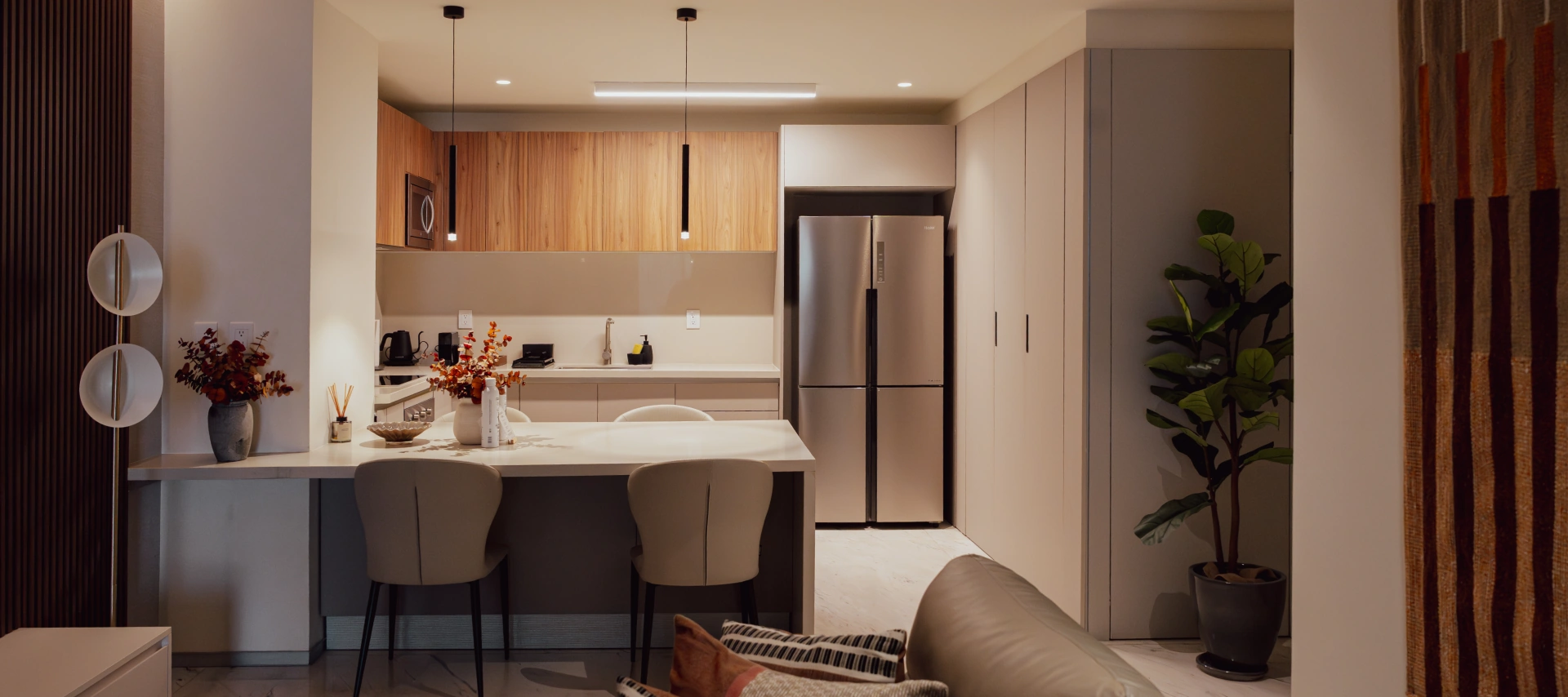
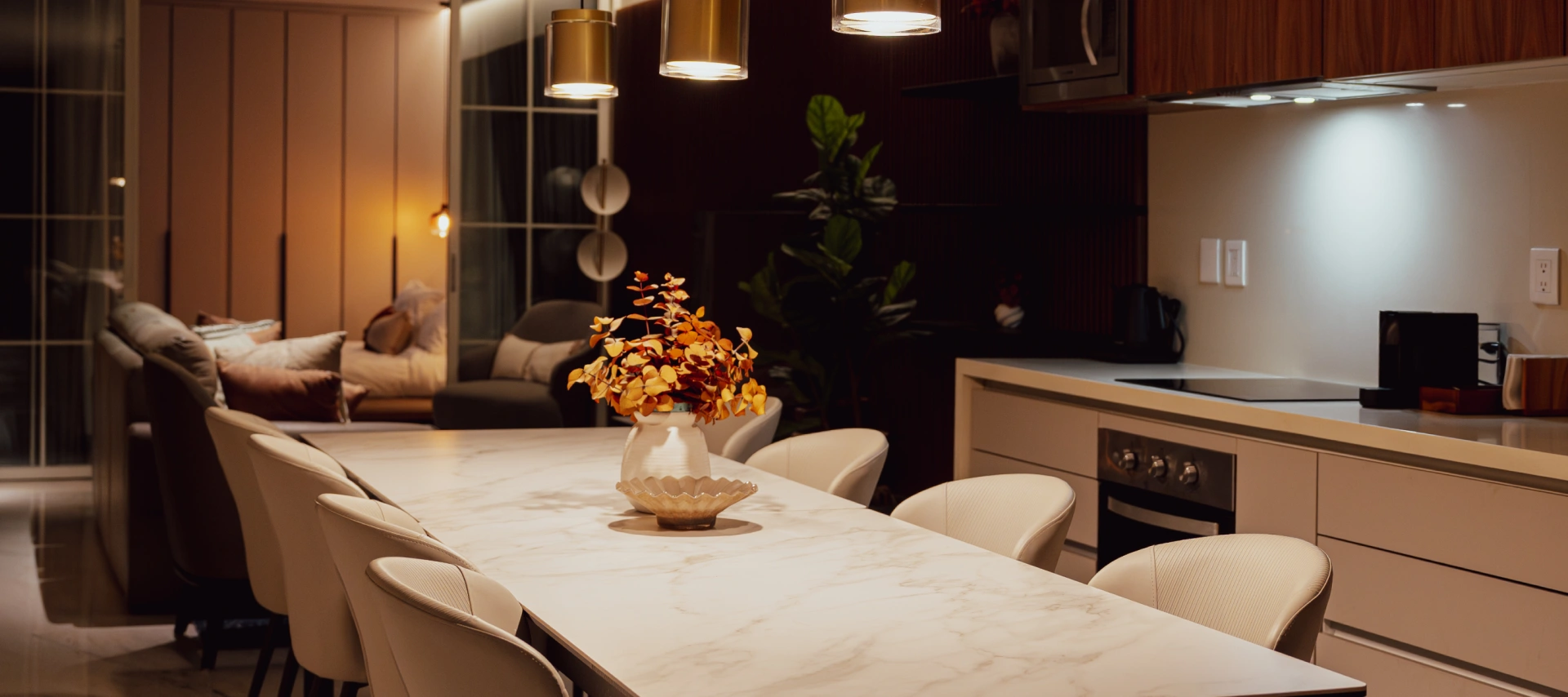
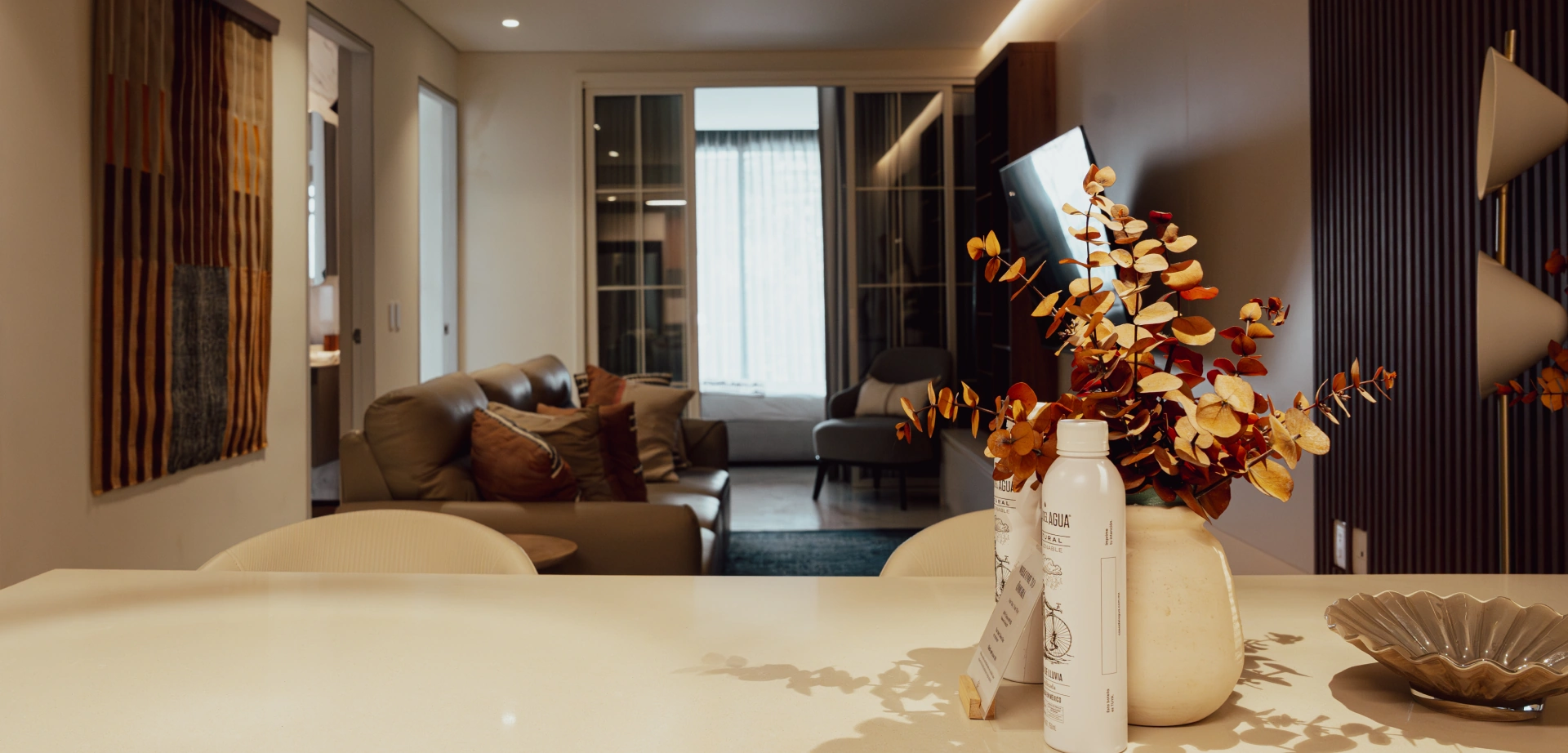
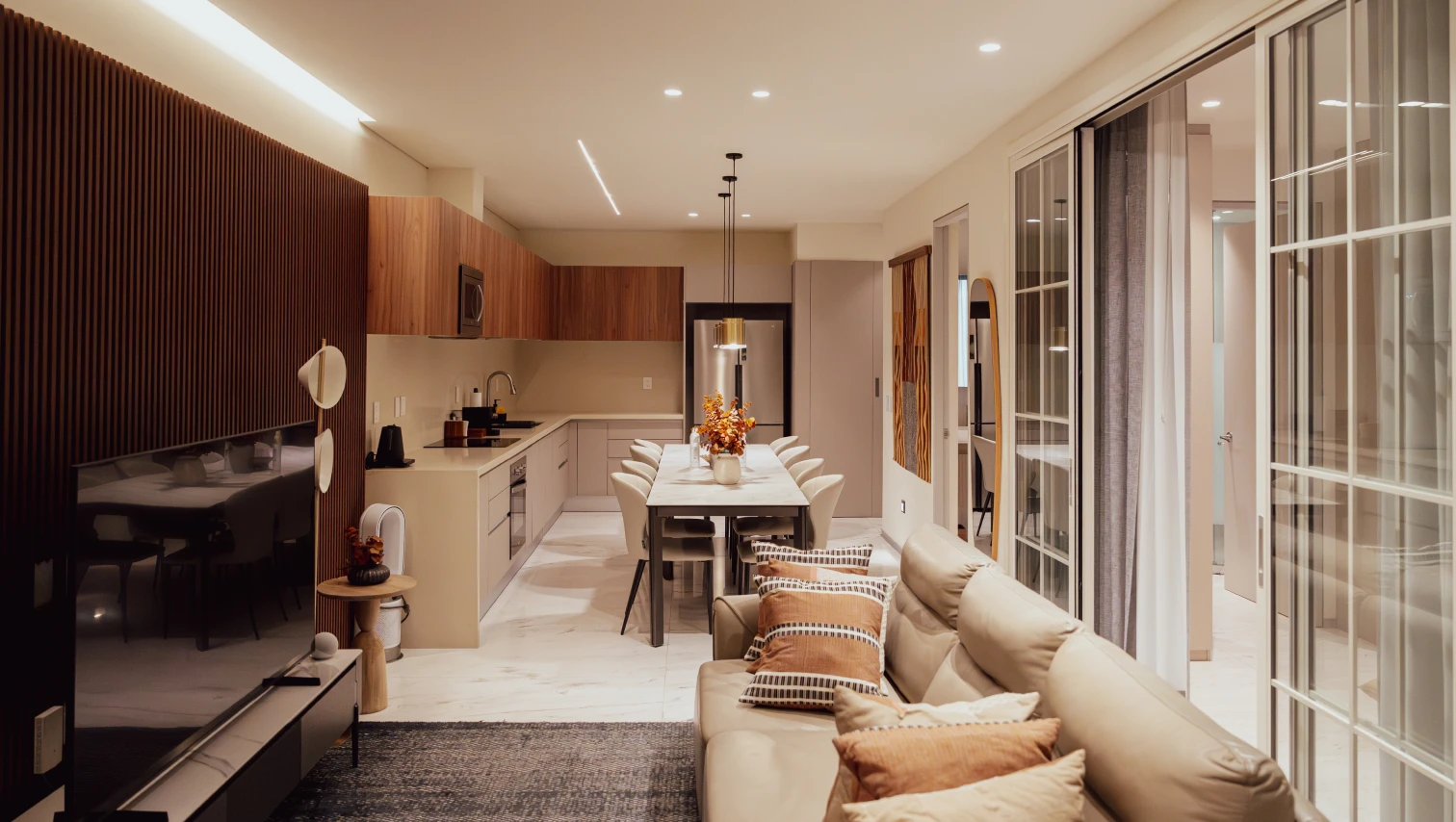
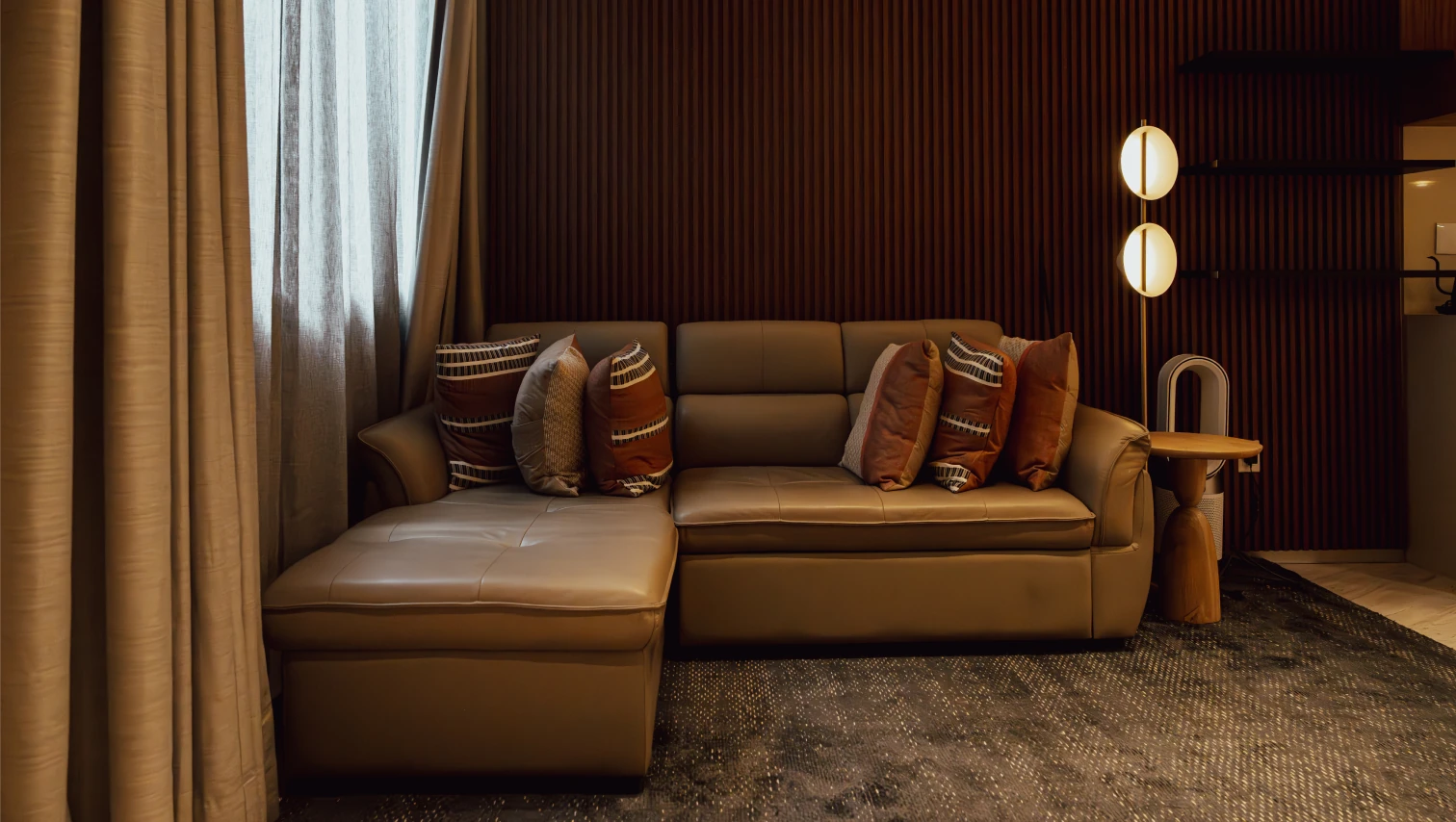
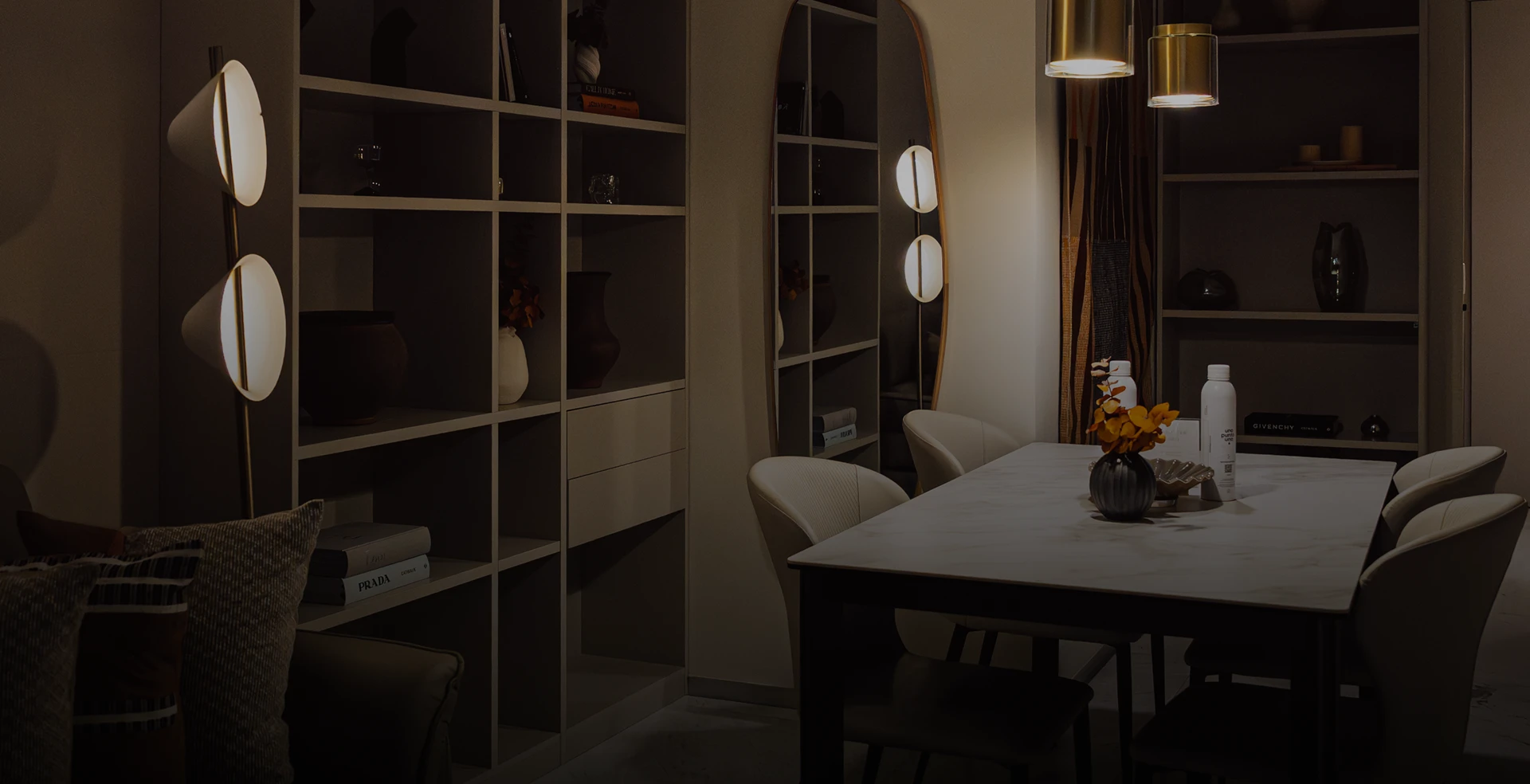
For travelers choosing Polanco, Omora offers a curated collection of luxury apartments designed for both short and extended stays. Each apartment is located in the heart of the neighborhood and equipped to a standard that goes well beyond what standard accommodation typically provides.
The collection includes a range of options across size and configuration. The Deluxe Penthouse offers a top-floor perspective over the neighborhood. The Three-Bedroom Master Suite is ideal for families or groups. The Two-Bedroom City Balcony combines outdoor space with an urban backdrop. For something more intimate, the One-Bedroom Garden Sanctuary and the One-Bedroom Rooftop Retreat offer private, refined spaces for solo travelers or couples.
You can browse the full collection at our apartments or read more about the Omora experience through the travel guide curated specifically for guests staying in Polanco.
Staying in a neighborhood like Polanco, in an apartment designed to let you live within it rather than simply observe it, transforms a trip to Mexico City into something more lasting. It is the difference between passing through a city and actually inhabiting it, even for a few days.
Book your stay at Omora and experience Polanco the way it deserves to be experienced.
The smart way to plan your stay
Mexico City rewards specificity. Travelers who arrive knowing which neighborhood suits their style, what they want to eat, and where the galleries and markets are will have a fundamentally richer experience than those who book a central location and figure it out as they go.
Use this guide as a starting point, then go deeper into each neighborhood before you commit. The city has layers that no single article can fully map, but knowing which layer you want to explore first is the clearest path to a trip worth remembering.
For more on what makes Mexico City one of the world’s great travel destinations, explore sustainable travel in Mexico City, 5 must-visit art galleries, and the Omora blog for ongoing coverage of the city’s neighborhoods, culture, and seasonal highlights.