
Why is Mexico City one of the most romantic destinations in Latin America?
Most cities can offer a nice dinner or a scenic view. Few cities can offer all of this at once: ancient pyramids at sunrise, world-class gastronomy, bohemian neighborhoods, rooftop bars above a glittering skyline, and art that stops you mid-sentence.
Mexico City holds more museums than almost any other city in the world. Its culinary scene has earned global recognition. Its neighborhoods shift in character block by block, from the polished elegance of Polanco to the layered artistic identity of Roma Norte. For couples, this variety is a gift. Every day can feel entirely different from the last.
If you want to understand the city before you arrive, Omora’s city guide is a well-edited resource built specifically for guests who want to move through CDMX with intention rather than a generic itinerary.
Mornings worth waking up early for
A hot air balloon over Teotihuacan at sunrise
This is, without question, one of the most spectacular romantic experiences available anywhere in Mexico. Teotihuacan, the ancient city of the gods, transforms at first light. Rising above the Pyramid of the Sun and the Pyramid of the Moon in a hot air balloon, with the mist still clinging to the valley floor, produces a silence between two people that no restaurant can replicate.
Departures are typically before 6 AM. Book well in advance, especially between October and April when the dry season guarantees clearer skies. This is one of those experiences that sits in the memory for decades.
Coffee and conversation in Condesa and Roma Norte
There is something profoundly romantic about a slow morning in Condesa. The neighborhood was built for leisure: its tree-lined streets, art deco facades, and the soft hum of sidewalk cafes create an atmosphere that encourages couples to linger. Order a café de olla, choose a corner table, and let the morning take care of itself.
Roma Norte, just east of Condesa, has its own version of this ritual, slightly more literary and design-forward. The two neighborhoods together form one of the most walkable and visually satisfying circuits in the city.
Cultural experiences that bring couples closer
The Frida Kahlo Museum in Coyoacán
Casa Azul is not simply a museum. It is the physical record of one of history’s most passionate and complicated love stories. Walking through Frida Kahlo’s studio, her garden, and the rooms she shared with Diego Rivera, you encounter art not as something behind glass but as something lived.
Book tickets in advance. The museum sells out weeks ahead, particularly on weekends. Arrive early and take your time in the garden before the crowds build. Afterward, walk to the central plaza of Coyoacán, one of the most beautifully preserved colonial squares in the city, and settle into a cafe for a late breakfast.
Coyoacán as a neighborhood rewards wandering. Its cobblestone streets, bougainvillea-draped walls, and independent bookshops make it one of the most romantic areas in all of CDMX.
Art galleries in Polanco
Polanco’s gallery scene offers something that most tourist guides overlook: the intimacy of contemporary art viewed without crowds. Several of the city’s finest galleries are concentrated within walking distance of each other, and an afternoon moving between them is quietly one of the most connected experiences two people can share.
For a deeper look at the city’s art world, this guide to Mexico City’s museums, galleries, and street art covers the full range, from the Soumaya to the more experimental spaces that define CDMX’s creative edge. You can also explore five must-visit galleries specifically for a focused itinerary.
Chapultepec Castle at the hour the light changes
Chapultepec Castle is most often visited in the middle of the day, which is exactly the wrong time. Come late afternoon, when the Paseo de la Reforma below glows in amber and the city stretches out in every direction. The castle’s terraces offer views that reward slow attention.
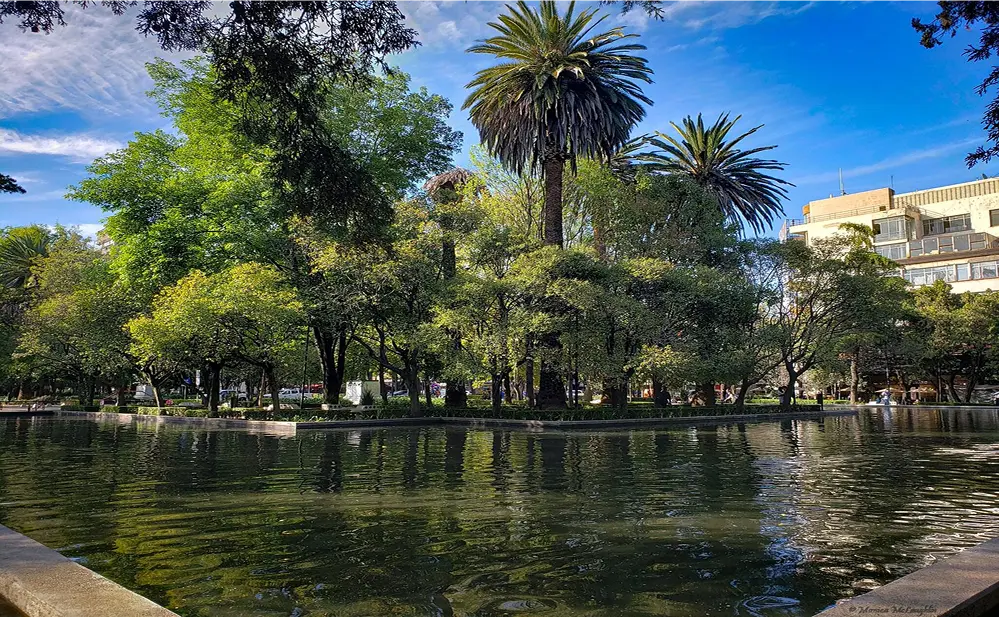
The Bosque de Chapultepec surrounding it is one of the largest urban parks in the Western Hemisphere. After the castle, walk down through the park toward the lake, rent a rowboat, and let the city disappear behind the trees for a while.
Where to eat when the meal itself is the event?
The restaurants that define modern Mexican cuisine
Mexico City’s fine dining scene is not a trend. It is a permanent transformation of how Mexican cuisine is understood globally. Pujol, Quintonil, and Sud 777 are restaurants where a reservation made months in advance still feels worth the wait. These are not places to rush. They are places to arrive with no agenda and surrender the evening to the kitchen.
For couples who want to experience the full spectrum of the city’s food culture, from the taco stands that have been operating for generations to the tasting menus that take four hours to complete, this foodie guide to Mexico City is the most useful starting point.
Dinner at Restaurant El Lago in Chapultepec
El Lago sits at the edge of the first section of Chapultepec Park, directly on the water. It is the kind of restaurant that understands what a romantic dinner is actually for. The light, the reflection of the trees on the lake, the unhurried pace of service — all of it adds up to something that does not require a special occasion to justify.
Reserve a terrace table when you book. The view at night, with the city’s lights visible between the branches, is worth specifying.
A mezcal bar in Roma Norte after dark
Xochimilco
Xochimilco is frequently listed and frequently misunderstood. The loud, crowded trajineras packed with mariachi bands and beer coolers are one version of Xochimilco. The other version is what you get when you hire a private trajinera in the early morning or late afternoon, away from the weekend crowds.
At those hours, the canals are quiet. The chinampas, the ancient floating garden islands, reflect in the still water. A few herons move through the reeds. It is Mexico City stripped of its urban intensity, replaced by something older and more elemental.
Xochimilco also connects directly to the city’s most important ecological and historical narratives, which gives couples with a shared interest in sustainability and culture a deeper layer to explore.
Xochimilco
The rooftops and views
Cityzen and the rooftop culture of the historic center
Mexico City’s rooftop bar scene has matured significantly over the past decade. The best of these spaces are not simply elevated bars. They are designed environments where the relationship between the city’s colonial past and its contemporary energy becomes visible simultaneously.
The historic center at night, viewed from a rooftop terrace, is one of the most cinematic experiences the city offers. The Palacio de Bellas Artes lit from below, the Torre Latinoamericana blinking against the dark sky, the Zócalo stretching away into the distance, it is the kind of panorama that makes conversation unnecessary.
The Zócalo at night on foot
Walking through the Zócalo after 10 PM, when the day tourists have gone, and the space belongs to the city again, is an experience with almost no equivalent in Latin America. The Metropolitan Cathedral, built on the foundations of the Templo Mayor, looms in a way that is simultaneously overwhelming and profoundly moving.
This is not a romantic experience in the conventional sense. It is something more serious: a reminder of the depth of what this city has been and continues to be. That shared awareness, between two people, creates its own kind of intimacy.
The neighborhoods that reward slow exploration
Polanco
Polanco is not just a neighborhood. For couples who value design, gastronomy, and a quality of life that feels elevated without being ostentatious, it is an entire philosophy of how a city can be inhabited.
Avenida Masaryk, Parque Lincoln, the gallery circuit, the quiet side streets between the larger avenues: Polanco repays the couple who chooses to move through it without a fixed agenda. A full guide to a day in Polanco covers the neighborhood’s rhythm from morning coffee through late-night dinner with the kind of local specificity that makes the difference between a good trip and a great one.
The neighborhood is also exceptionally beautiful in spring, when the jacaranda trees bloom purple across the sidewalks. This piece on Polanco in spring captures what that season does to the neighborhood’s atmosphere.
Coyoacán
If Polanco offers sophistication, Coyoacán offers soul. Its scale is intentionally human. The streets are narrow enough that two people walking side by side naturally stay close. The plazas are designed for the kind of sitting and watching that modern urban life has largely eliminated.
Combine Casa Azul with a visit to the Mercado de Coyoacán for a late lunch of tlayudas or tostadas, followed by a walk through the neighborhood’s quieter residential blocks where bougainvillea grows over ancient walls in colors that belong in a painting.
Practical notes for couples planning their trip
Reservations
Getting around
Timing
Neighborhoods
Stay in Polanco?
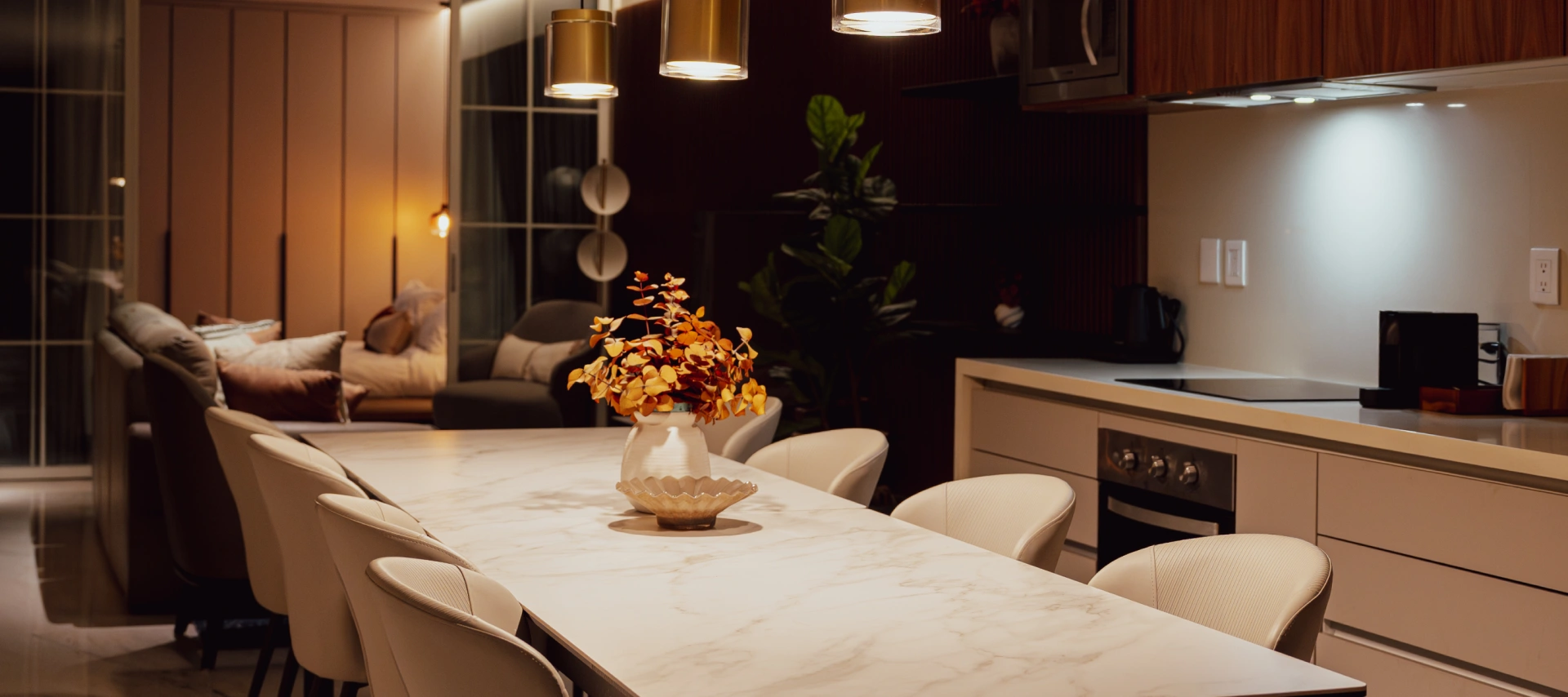
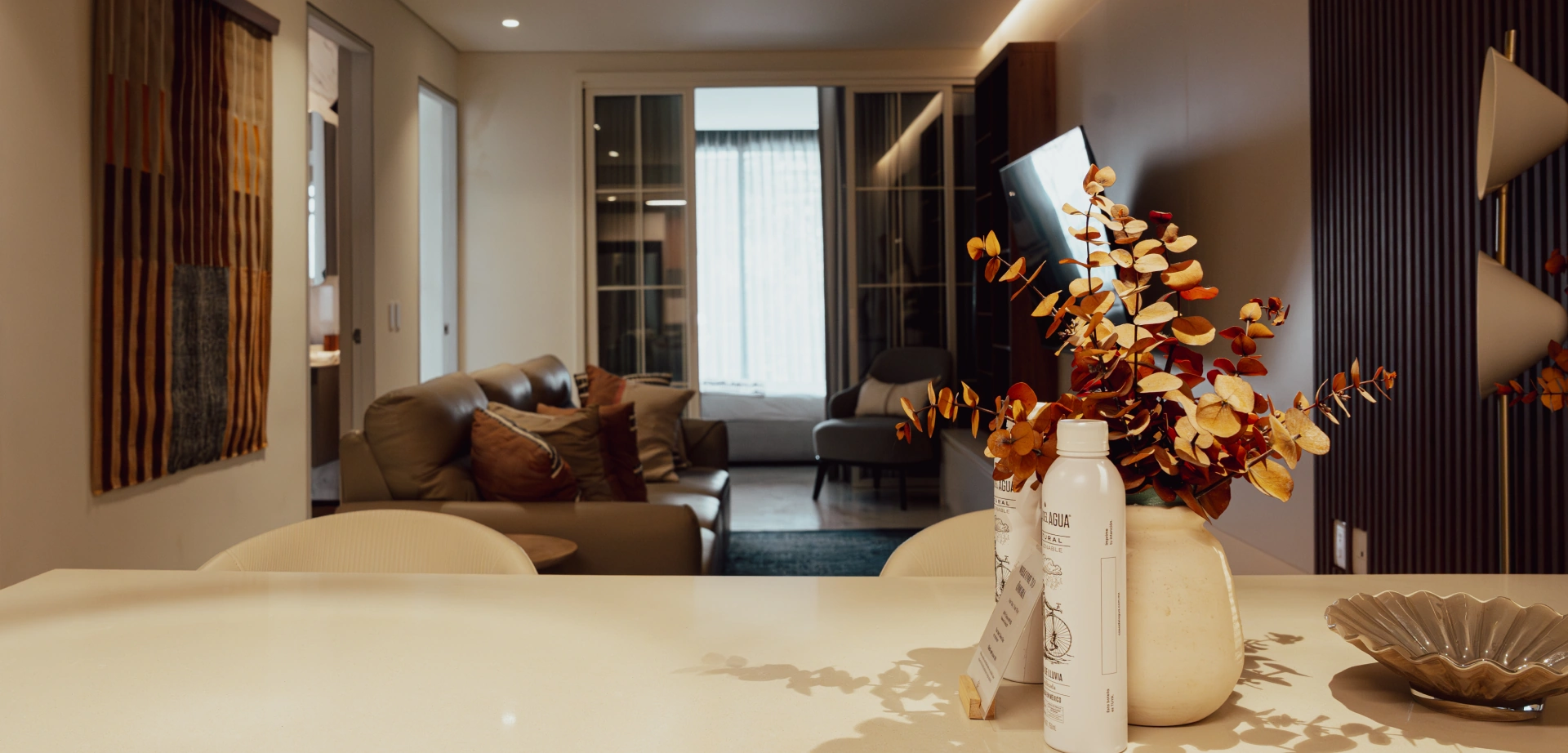
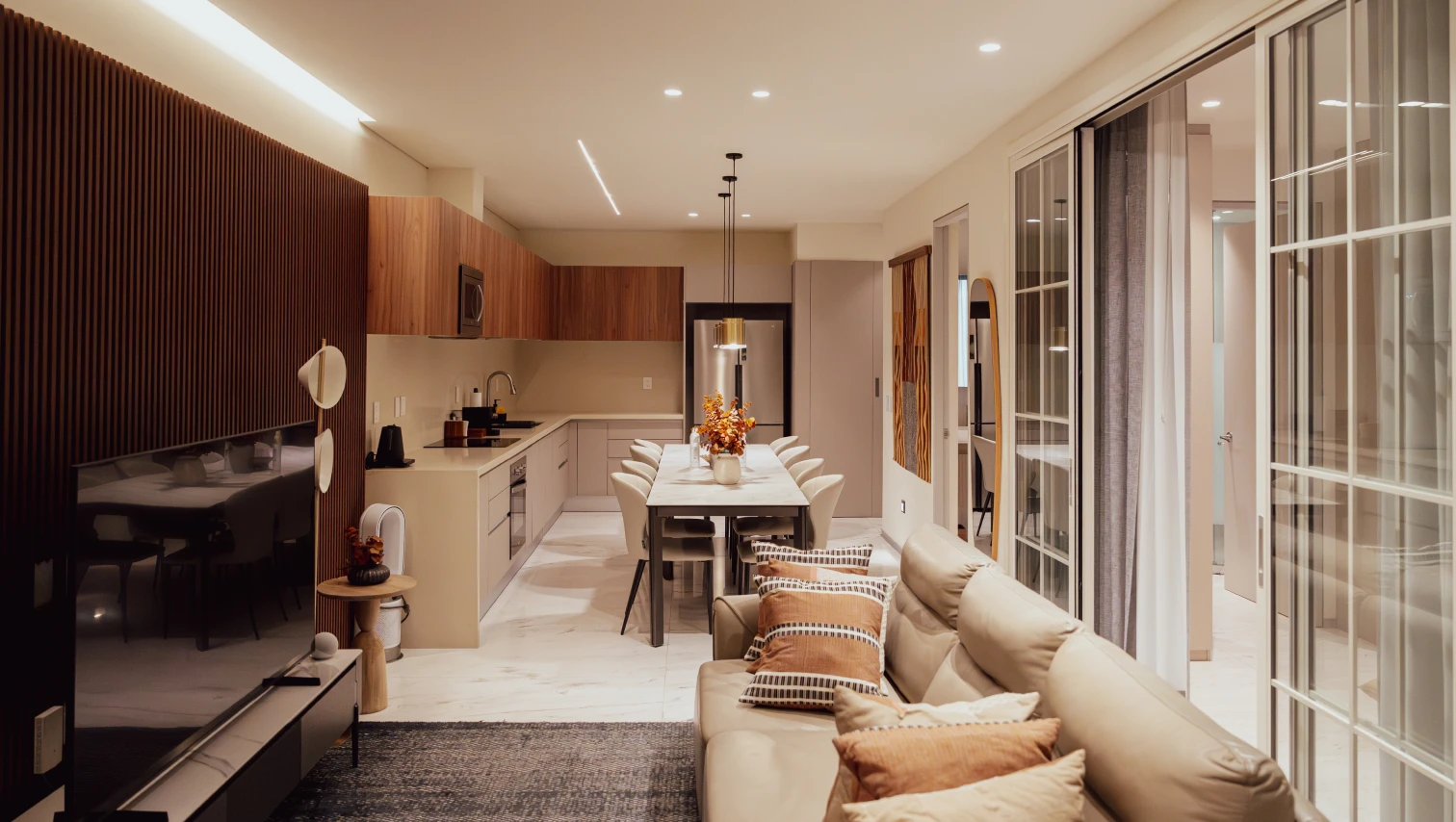
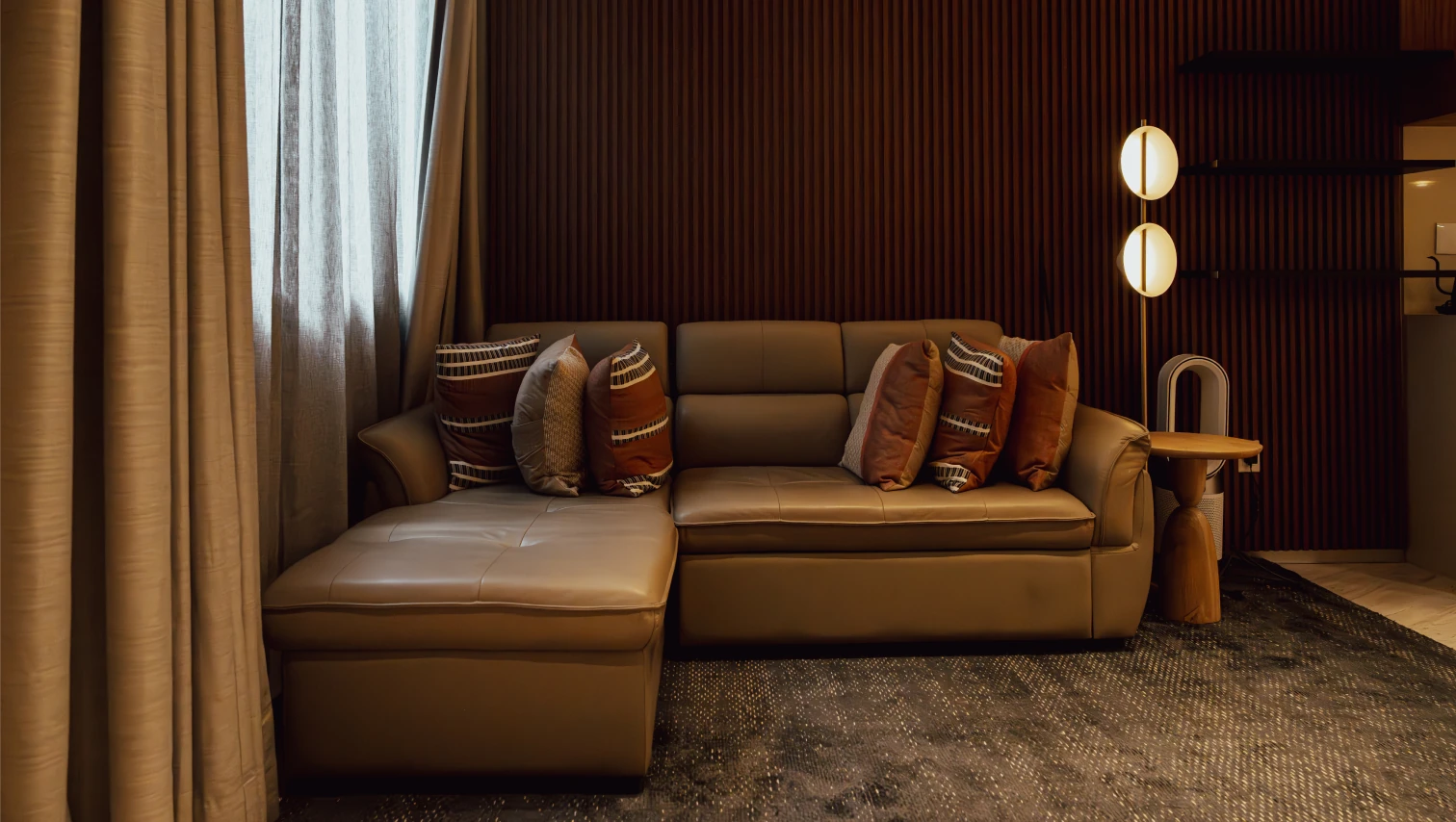
The quality of where you stay shapes the entire texture of a trip. For couples traveling to Mexico City, the choice between a standard hotel and a thoughtfully designed private apartment is the choice between a generic experience and a genuinely personal one.
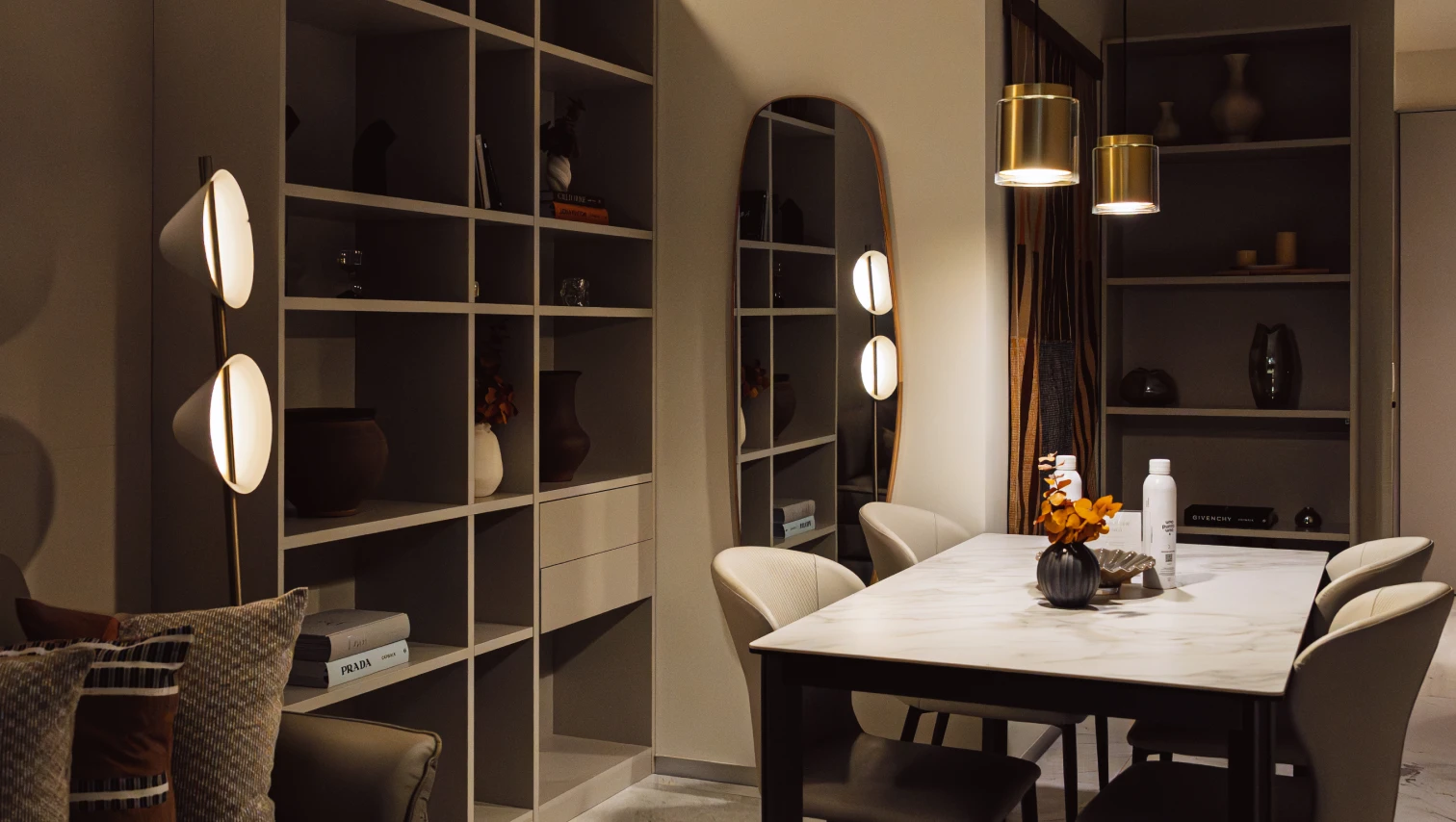
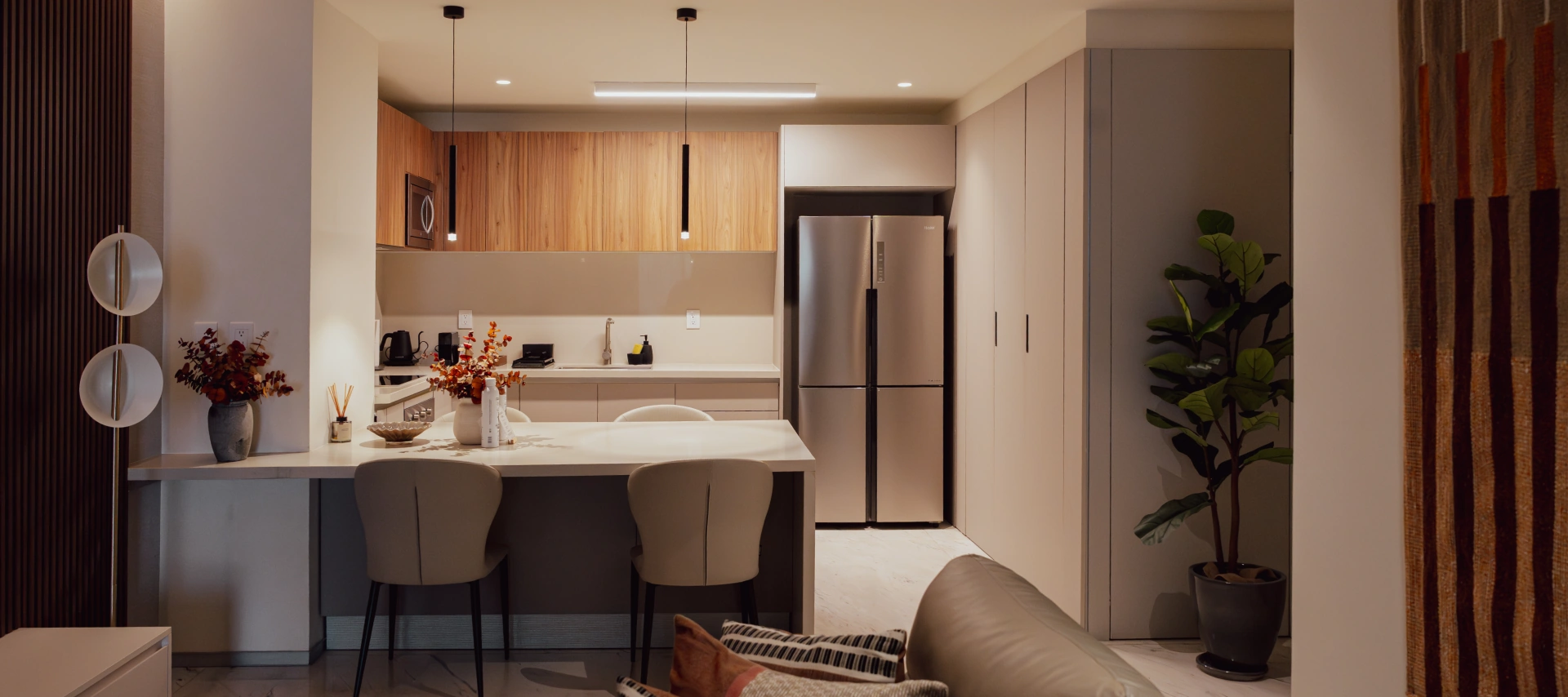
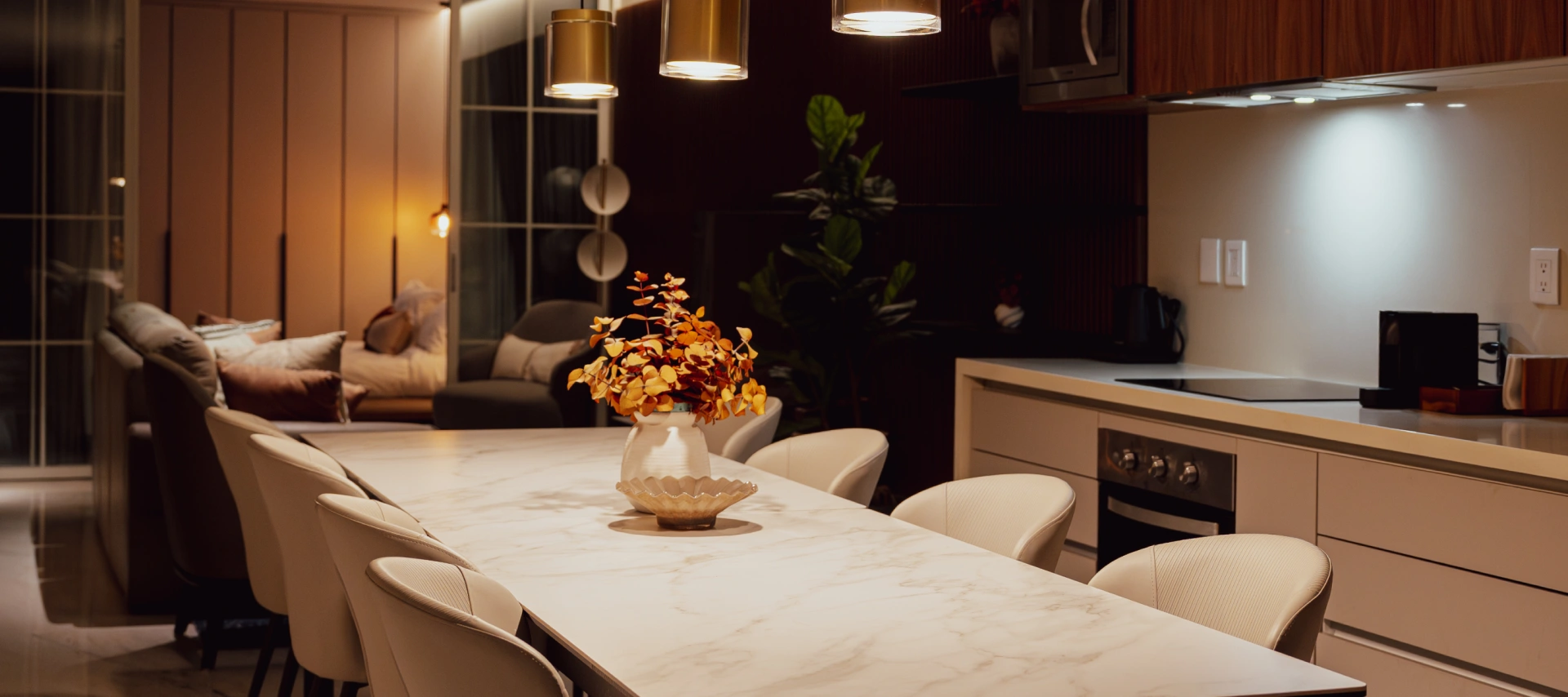
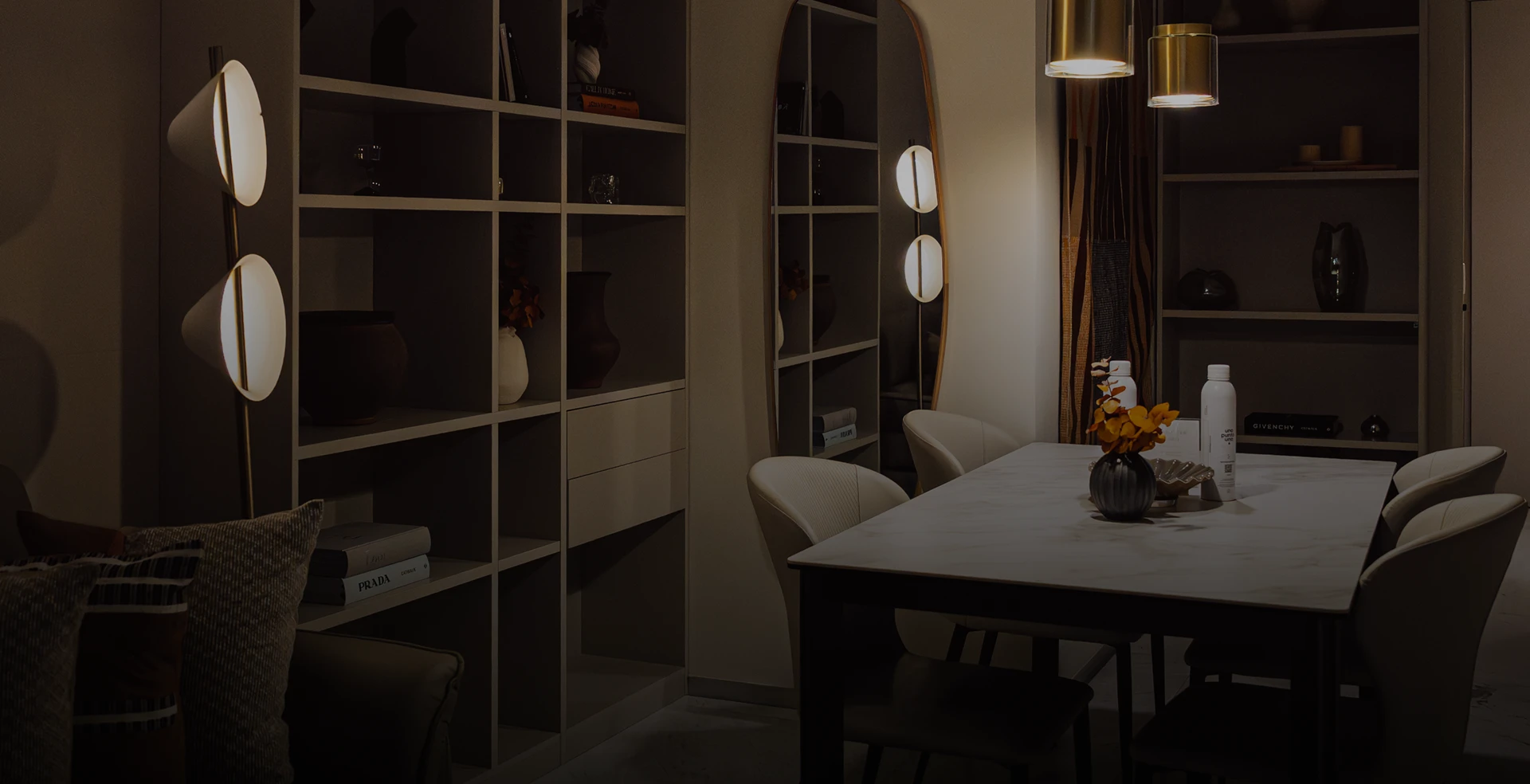
Omora’s collection of luxury apartments in Polanco offers spaces designed for the couple who wants to come home to something beautiful at the end of a long day exploring the city. Whether you choose the Deluxe Penthouse with its panoramic city views, the One-bedroom apartment for a more intimate setting, or the Three-Bedroom Suite for a longer stay, each apartment has been designed to make Polanco feel like home rather than a destination.
Unlike a hotel room, these apartments give couples the freedom to extend mornings, host a private dinner, or simply close the door on the city when the day has given everything it has to give.
Explore the full collection or contact Omora directly to discuss availability and find the apartment that matches your vision for the trip.