
Mexico City weather: what you need to know before planning
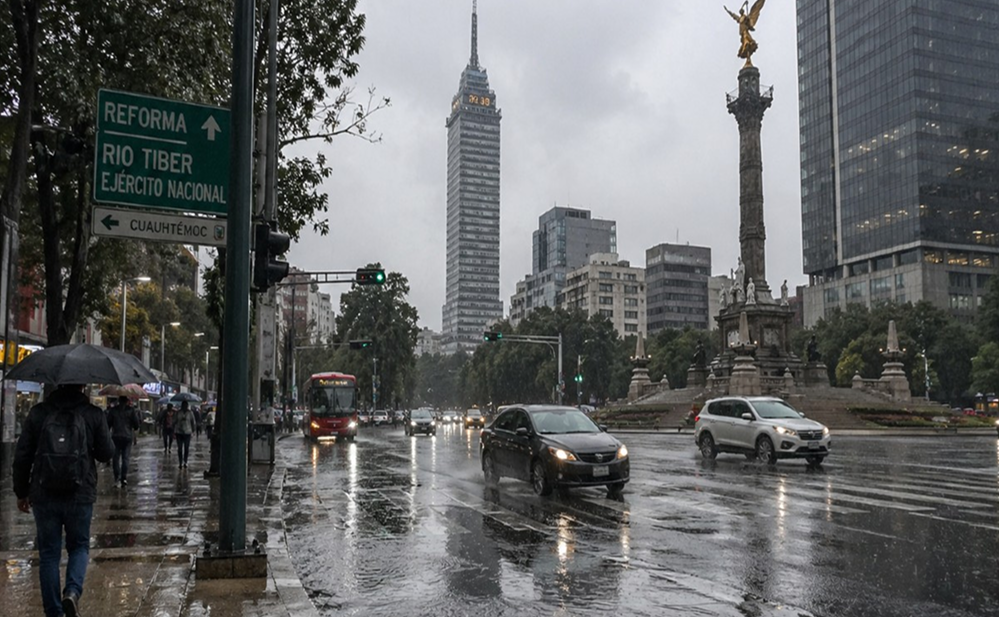
The city has two well-defined seasons: a dry one and a rainy one. The dry season runs from November to April, with clear skies and daytime temperatures ranging between 18°C and 25°C. The rainy season runs from May to October, with downpours that usually fall in the afternoons and last a few hours, although in July and August they can be intense.
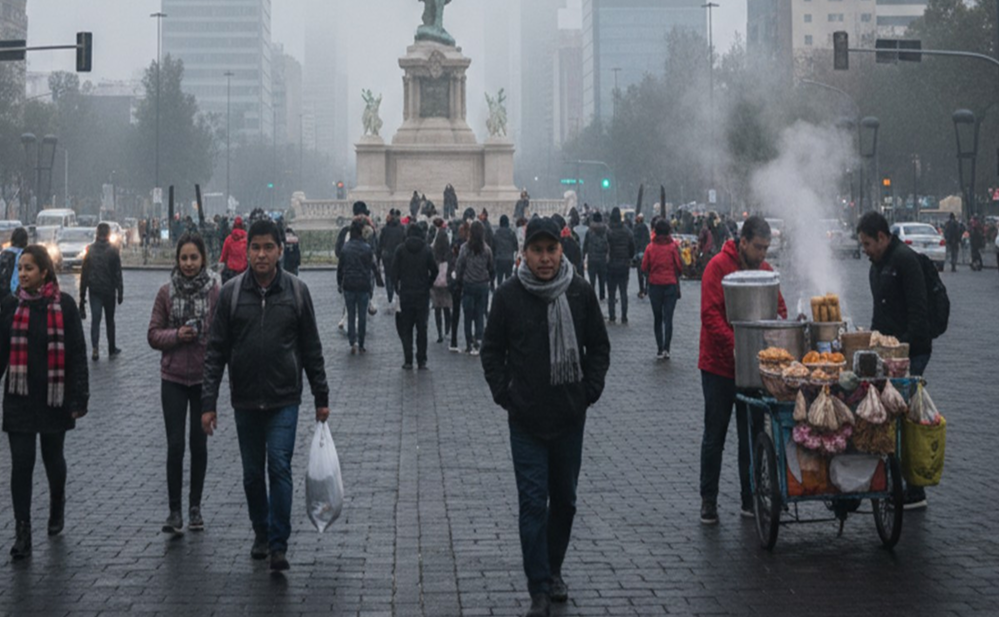
Nights are cool all year round, especially from December to February, when temperatures can drop to 6°C or 7°C. That’s why, regardless of the season you travel, it’s a good idea to bring layers.
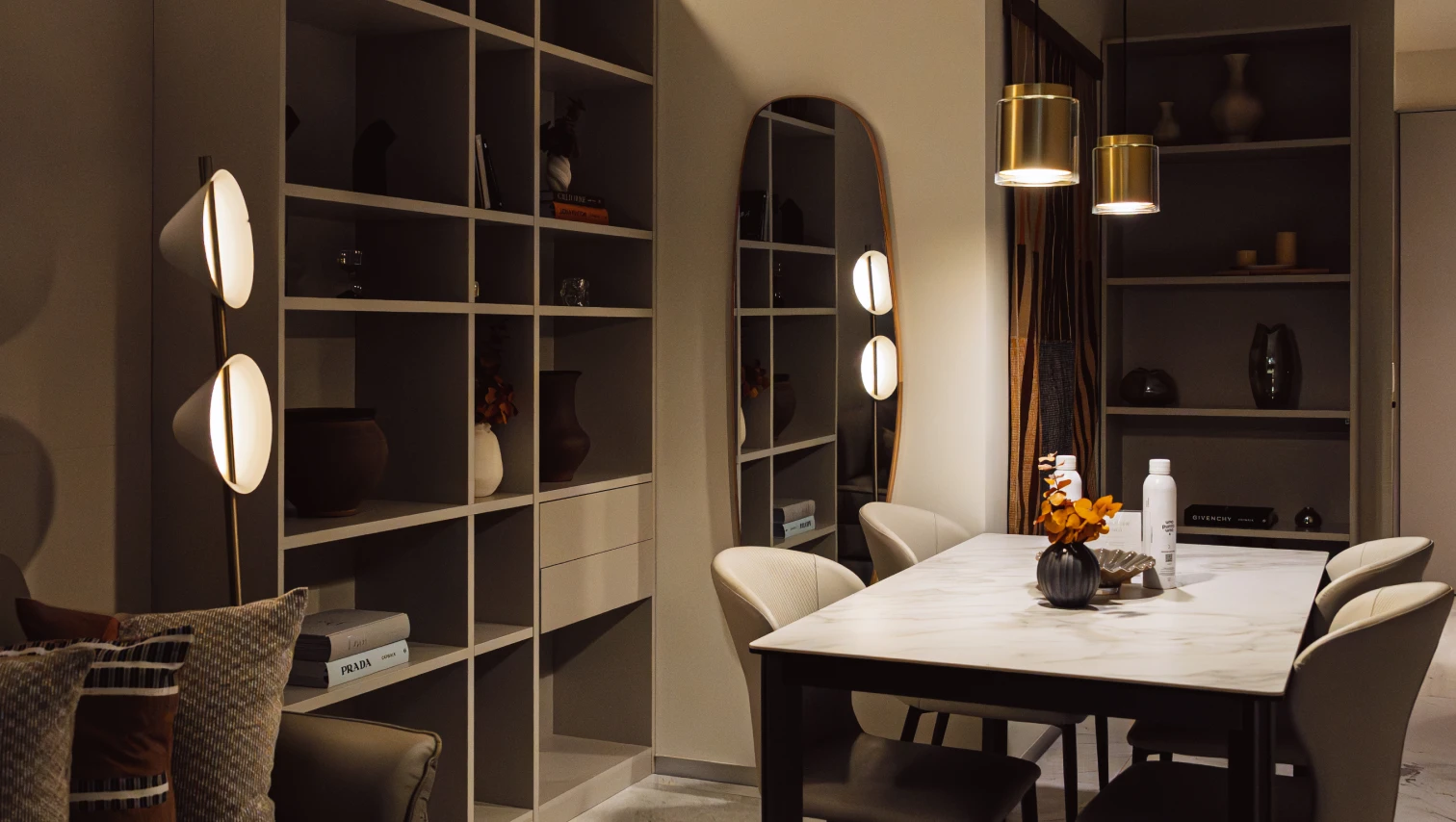
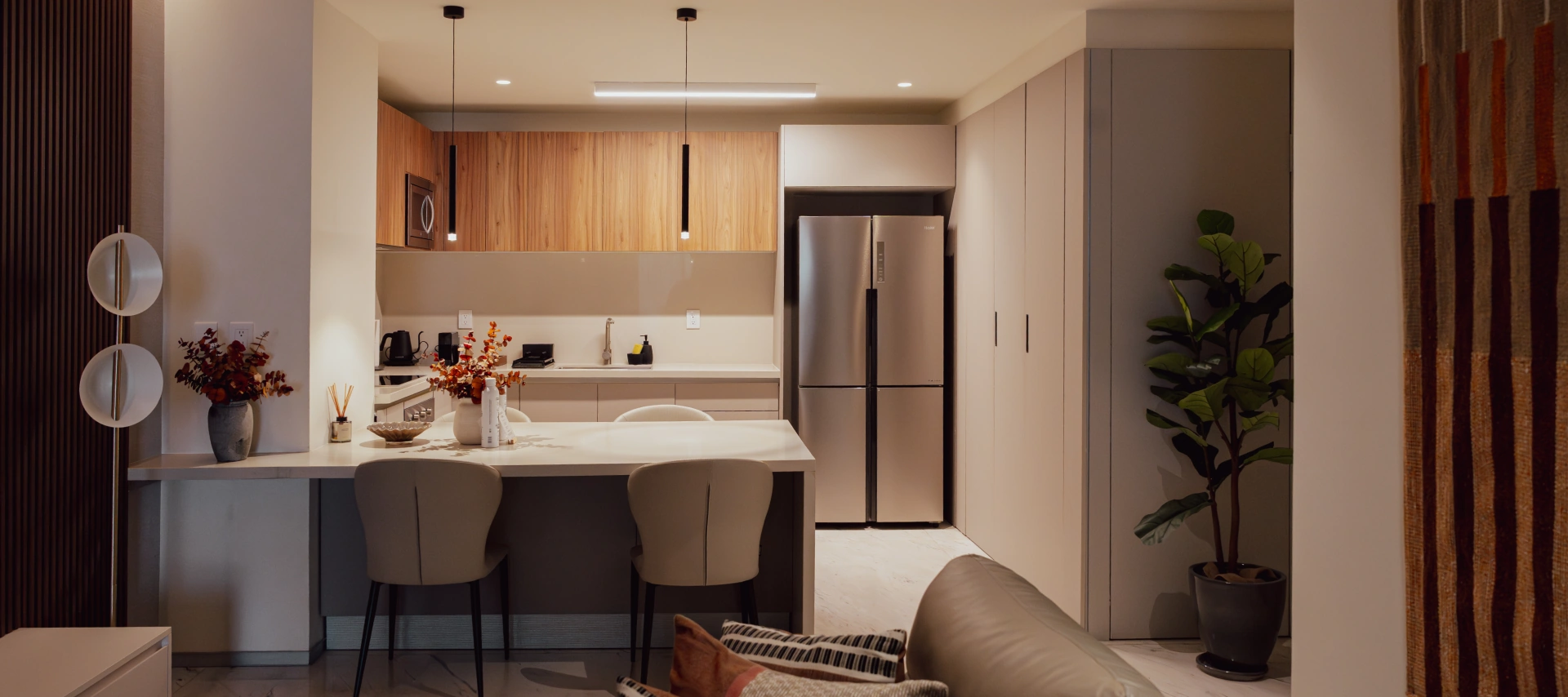
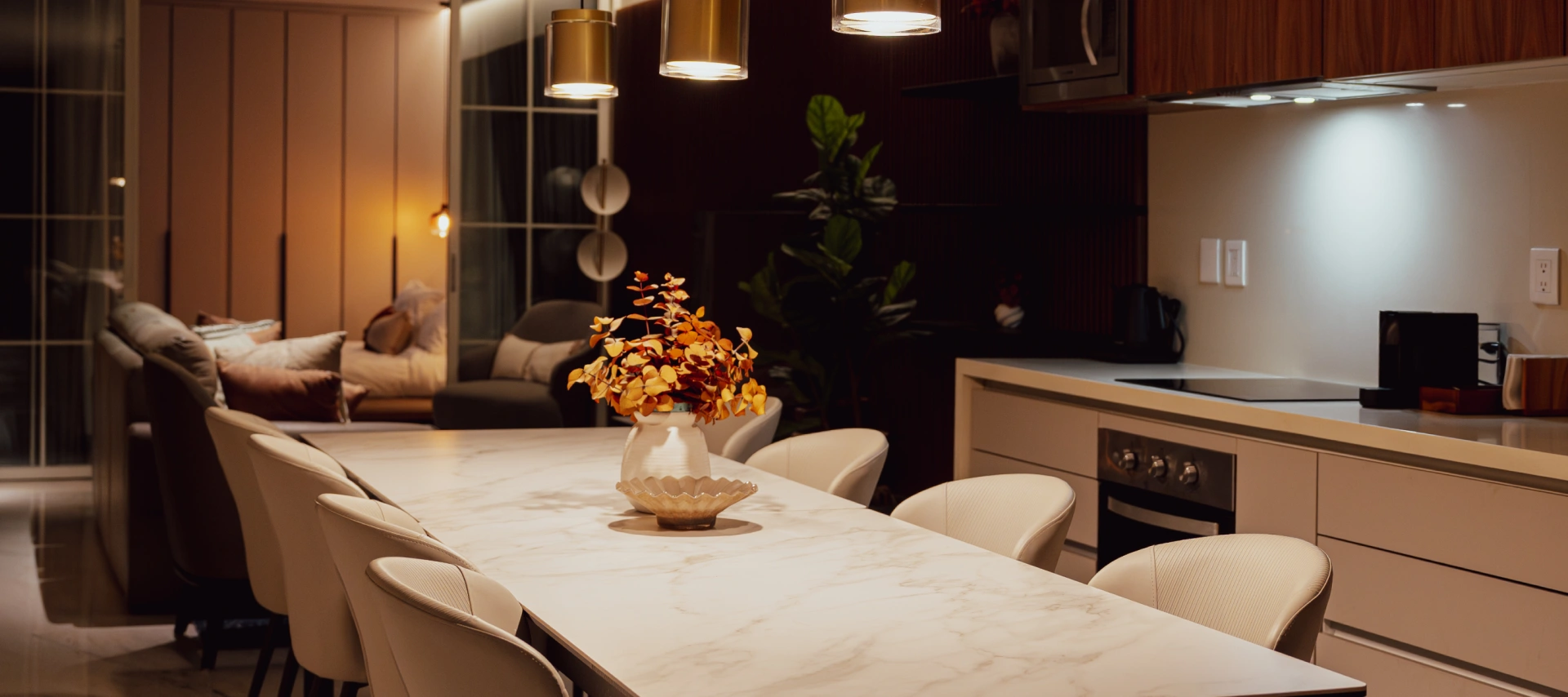
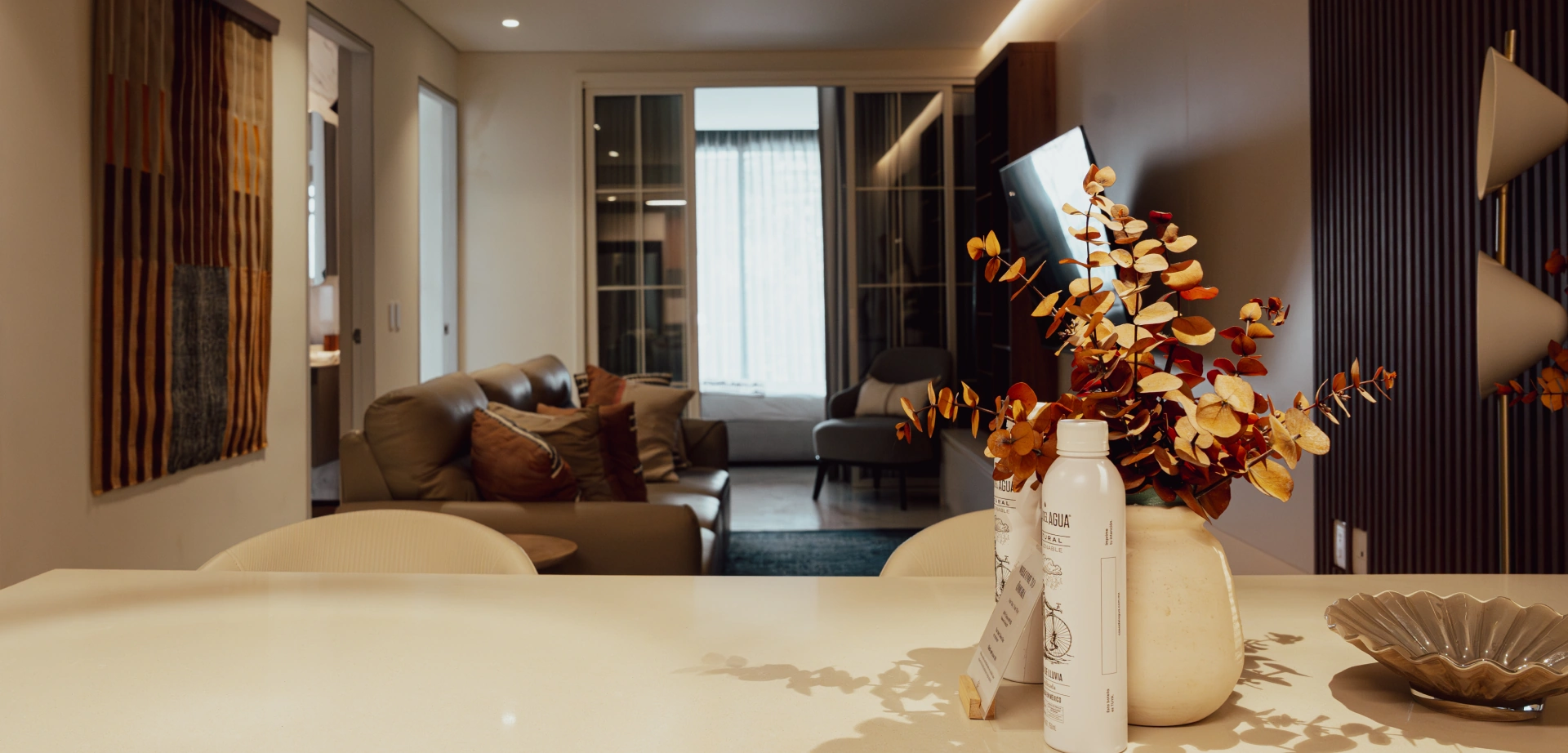
If you want to explore the city in depth, planning a long stay makes a lot of sense. A week or more allows you to see the historic center, Polanco, Coyoacán, La Condesa and Rome without rushing. For stays like this, the Ömora apartments in Mexico City offer a comfortable, spacious and fully equipped alternative, ideal for both short trips and long stays.
.
Spring (March to May): the best time for outdoor activities
Spring is considered, by many travelers and experts, the best time of year to visit Mexico City. Temperatures are the warmest and most stable of the year, with maximum temperatures around 26°C and 28°C and little chance of rain before May.
February and March also bring one of the most beautiful natural spectacles in the city: the flowering of the jacarandas. The avenues of Polanco, the Paseo de la Reforma and the Bosque de Chapultepec are dyed violet, creating an environment worth living calmly.
Featured cultural events this season include:
- The Vive Latino Ibero-American Festival of Musical Culture, held in mid-March at Foro Sol. The Historic Center Festival in April, with theater, music, opera and visual arts in heritage spaces. The Spring Equinox in Teotihuacán, one of the most popular and popular rituals in the archaeological zone.
- Spring is high season in terms of demand, so it is recommended to reserve in advance. If you plan to stay in Polanco, Omora’s article on living Polanco in spring explains why this neighborhood is especially enjoyable this time of year.
Summer (June to August): intense urban life with rain in the afternoons
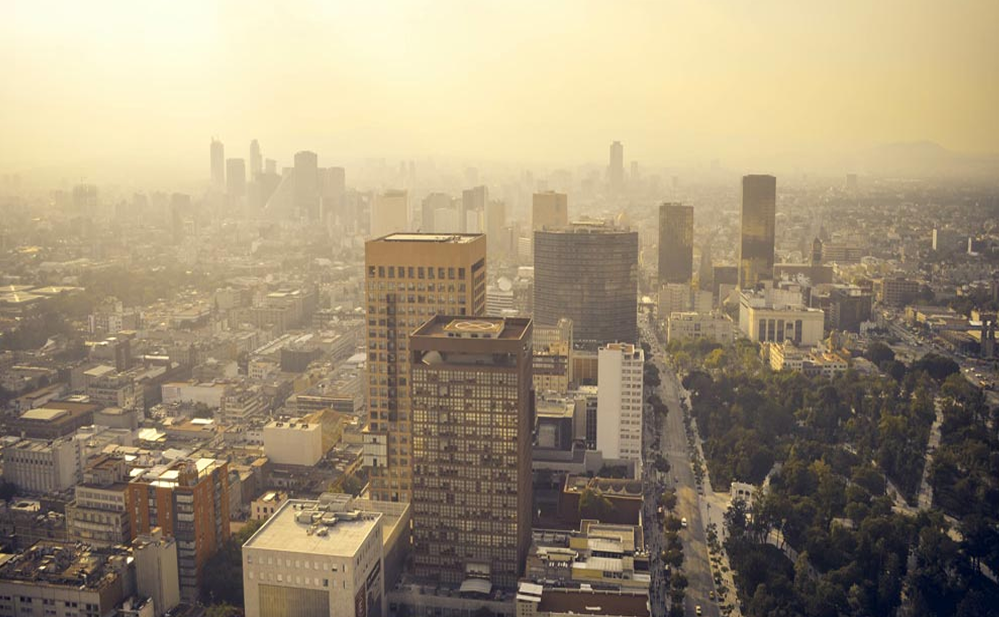
Summer in Mexico City is vibrant. The days are long, the cultural offerings expand, and the city bustles with activity. The rainy season is underway, but the downpours are predictable: sunny mornings, afternoon rain, and clear skies by nightfall.
Daytime temperatures typically range from 22°C to 25°C, though nights remain cool. Rain can cause traffic and minor flooding—especially in July and August—so it is best to plan outdoor activities for the morning.
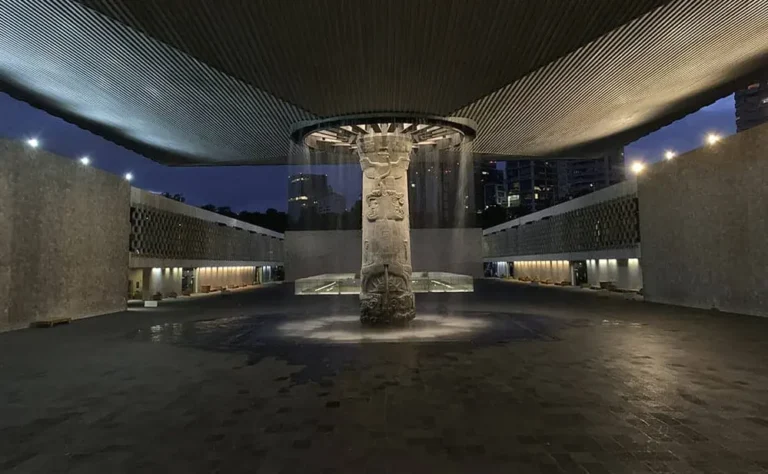
This period coincides with school holidays in Mexico, leading to larger crowds at museums and popular attractions such as the National Museum of Anthropology, the Frida Kahlo Museum, and the Teotihuacán pyramids. However, there is a wide range of events: the San Ángel Flower Fair in July and the Escénica theater festival in August are two highlights worth keeping on your radar.
For travelers interested in gastronomy, summer is an excellent season. The article “Sabores de la ciudad” (Flavors of the City) by Omora serves as a practical guide to exploring Mexico City’s culinary scene, ranging from market tacos to high-end restaurants.
Autumn (September to November): mild weather, culture at its peak
Autumn is arguably the most balanced season of the year to visit Mexico City. The rains begin to subside in October, the air feels crisp and clean, and the city enters one of its richest cultural periods.
September kicks off with the *Fiestas Patrias* (National Holidays): the *Grito de Independencia* (Cry of Independence) on the night of the 15th in the Zócalo and the military parade on the 16th are unique experiences that blend civic fervor with visual spectacle. The entire city is decked out in green, white, and red.
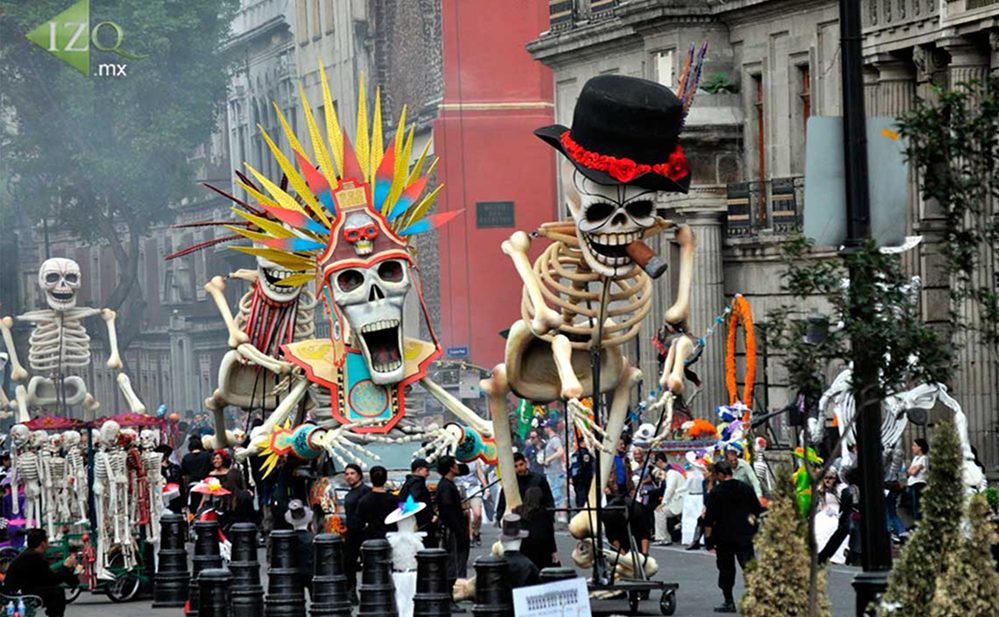
October and November bring the Day of the Dead, one of the world’s most iconic and striking celebrations. The parade along Paseo de la Reforma, the massive *ofrenda* (altar) in the Zócalo, cemeteries adorned with marigolds (*cempasúchil*), and festivities in neighborhoods like Coyoacán make these days truly unforgettable. This period draws visitors from around the globe, so booking accommodation weeks in advance is essential.
If you are interested in getting to know the city’s art scene during this season, the article 5 must-see art galleries in Mexico City is an excellent reference for planning tours of top-level spaces.
Winter (December to February): festivities, museums, and early jacarandas
Winter in Mexico City is not harsh. Daytime temperatures hover between 15°C and 22°C, although nighttime temperatures can drop significantly. The dry season is in full swing, ensuring clear skies for exploring the city.
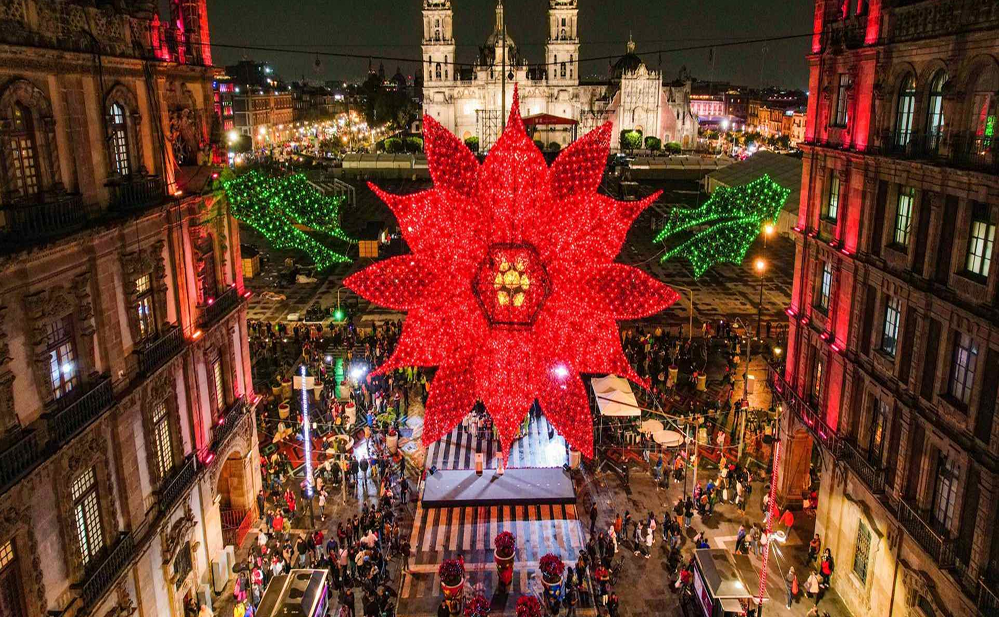
December is peak season: the *Posadas*, the ice rink in the Zócalo, the lights in the Historic Center, and New Year’s events create an unparalleled festive atmosphere. However, it is also the busiest and most expensive month of the year. January and February offer a quieter alternative for enjoying the city without excessive crowds.
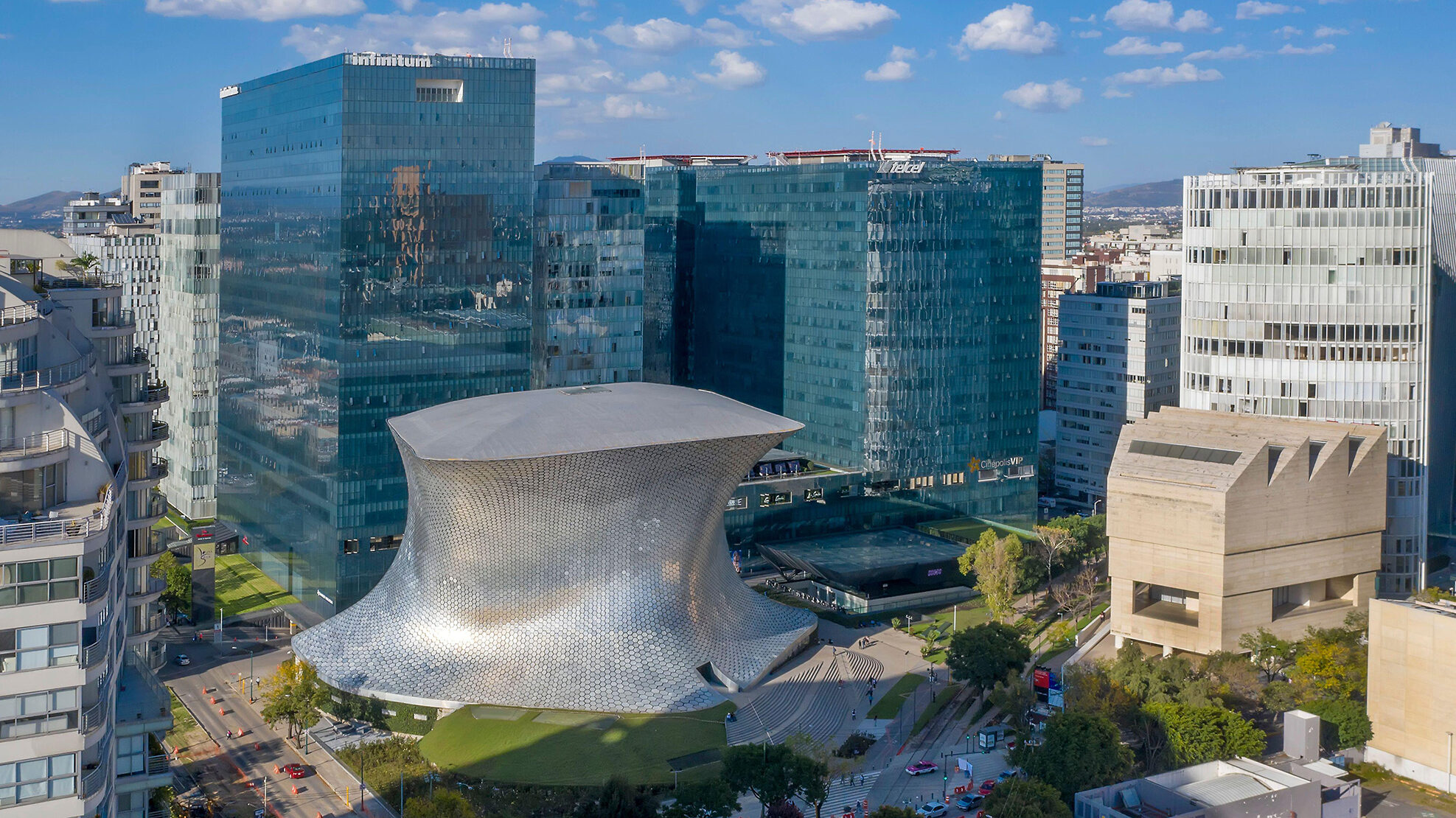
Winter is the best time to devote to the city’s major museums: the Palacio de Bellas Artes, the National Museum of Anthropology, the Frida Kahlo Museum in Coyoacán, and the Soumaya Museum in Polanco. The cool weather invites leisurely strolls through historic neighborhoods like San Ángel.
February also marks the start of the jacaranda blooming season—which often begins early in some areas—and is when Zona MACO, Latin America’s most important contemporary art fair, takes place.
Quick comparison: when to travel based on your profile
Ideal climate for outdoor activities: March, April and the first days of May are the best months. Sunny days, pleasant temperatures and little rain.
Culture and tradition at its best: October and November are the key months. The Day of the Dead transforms the city into an unparalleled sensory and emotional experience.
Fewer crowds with good weather: September (second fortnight) and the first half of November are times where the weather is already stable and tourist influx has not yet reached its peak.
Best price and experience ratio: January (post-Kings), September and October are the months with the most affordable accommodation rates. Avoiding Easter, Christmas and the first half of July and August helps reduce costs significantly.
Unique festivities and events: Mexico City’s calendar is packed all year round. From the Vive Latino in March to the Corona Capital in November, passing through the National Holidays in September and Christmas in December.
Why does a long stay in Mexico City make sense?
Mexico City is not a destination you can fully experience in just two or three days. Its neighborhoods each have distinct personalities: Polanco embodies elegance and high-end dining; Roma and Condesa are bohemian and filled with outdoor terraces; Coyoacán retains a charming, small-town soul; and the Historic Center offers living history around every corner.
To truly make the most of the city, a stay of a week or longer makes all the difference. A longer visit allows you to explore at a leisurely pace, discover local markets, revisit the restaurants you fell in love with, and uncover hidden gems not found in standard guidebooks.
Omora’s apartments are located in Polanco—one of the city’s most prestigious neighborhoods—and are designed for those seeking more than just a place to sleep: they offer genuine comfort, living space, and the freedom to make Mexico City your temporary home. You can browse the full collection of apartments to find the space that best suits your trip, whether you are planning a weekend getaway or a stay lasting several weeks.
Ranging from one-bedroom suites to three-bedroom residences, every apartment is designed to provide a premium experience. The Deluxe Penthouse and the “Santuario” (Sanctuary)—featuring a private terrace—are particularly popular choices for guests seeking views, privacy, and uncompromising comfort.
If you are unsure which type of accommodation best suits your trip, our article—”Why Choose a Luxury Apartment in Polanco Over a Hotel”—details the advantages of staying in an apartment compared to traditional hotel options.
Practical tips for planning your visit
- Always wear layers. The difference between midday and night temperatures can be up to 10°C or 12°C at any time of the year.
- In the rainy season, plan your outdoor activities in the morning. The rains usually arrive between 3 and 5 in the afternoon and pass in a few hours.
- Book in advance if you travel during Easter, Day of the Dead, Christmas or New Year’s. Demand skyrockets and so do prices.
- Use sunscreen all year round. The city’s altitude intensifies UV radiation even on cloudy days. Explore beyond the Historic Center.
- Ömora’s guide to Polanco in a day is an excellent starting point to discover this neighborhood wisely.
Plan your stay with Ömora
No matter when you decide to travel, Mexico City has something extraordinary to offer. The key lies in choosing the right time based on your interests and staying in a space that lives up to the experience.
At Ömora, you will find luxury apartments in Polanco designed for both short and long stays. Each space combines great design, a prime location, and everything necessary to make your trip to Mexico City exactly what you imagined.
Book your apartment at Ömora and experience Mexico City from the inside—in the right neighborhood, at the right time.